Erasmus for Young Entrepreneurs: an entrepreneurial exchange as a gateway to EU markets
About the event and programme:
Kyiv, 21 January 2026 – Event “How Ukrainian Businesses Can Build Partnerships with the EU: Opportunities for 2026” took place in Kyiv on 21 January, organised by Civitta Ukraine and Radar Tech within the framework of the Erasmus for Young Entrepreneurs (EYE) programme.
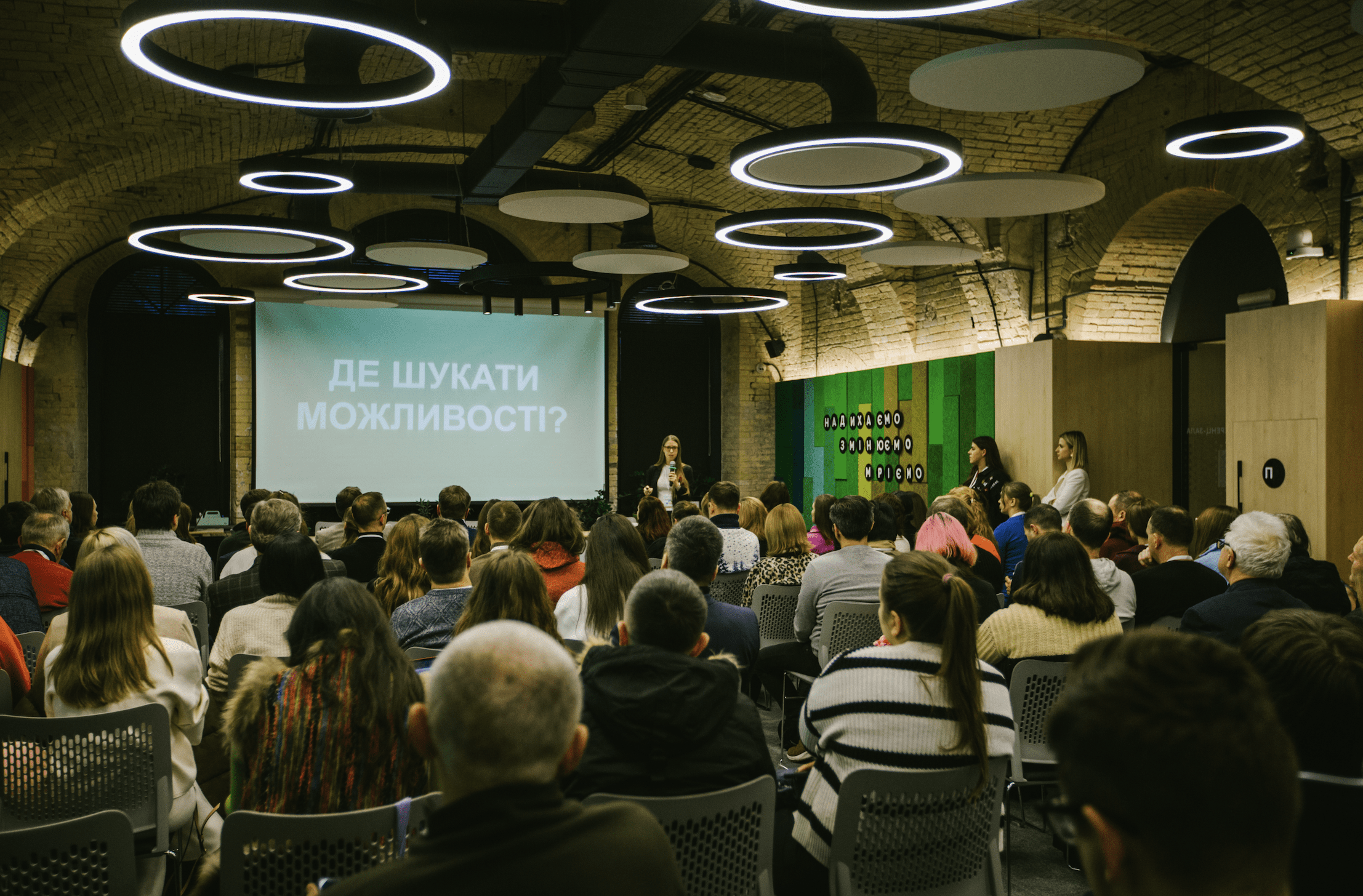
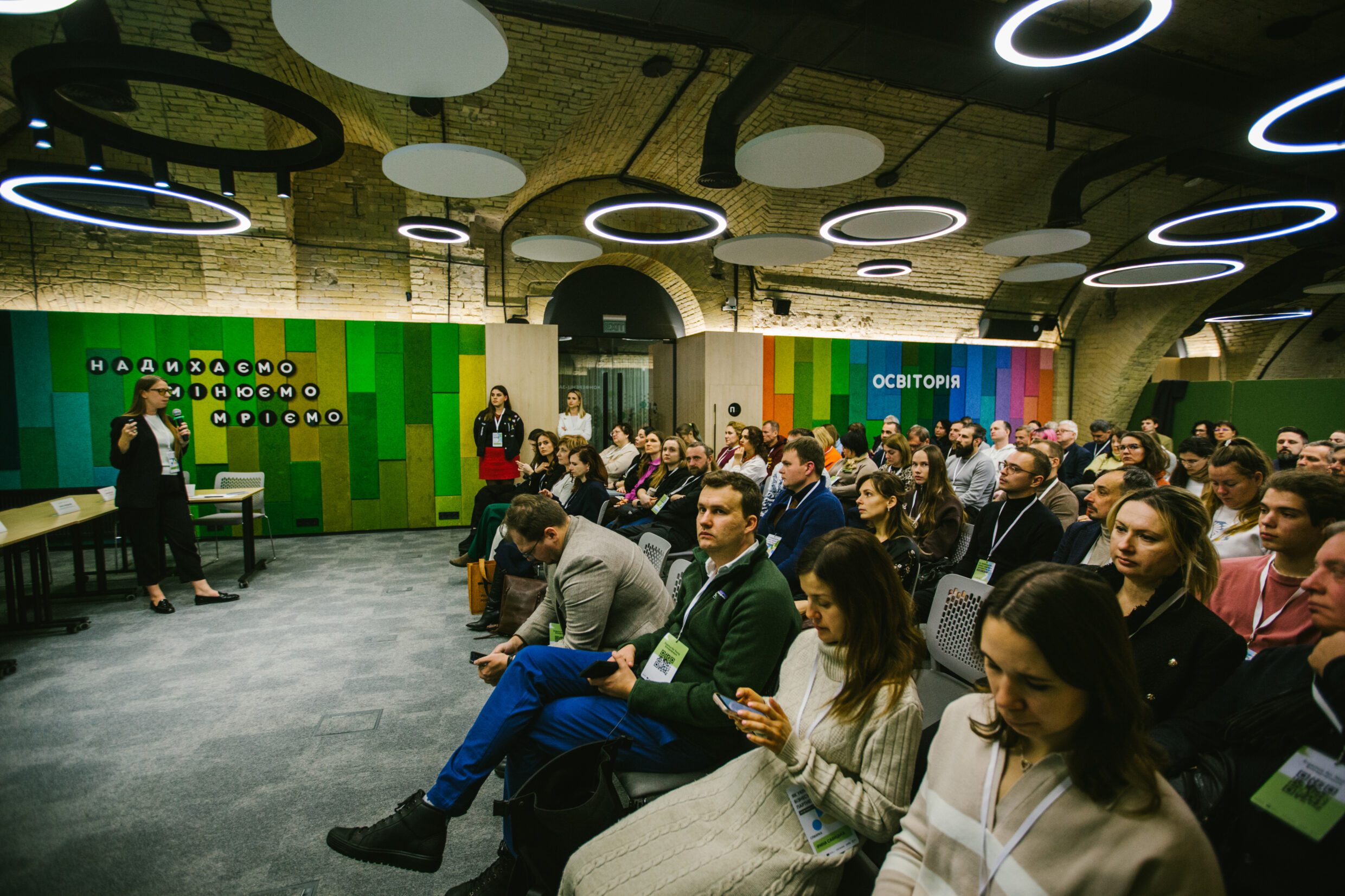
More than 90 participants, including entrepreneurs, experts, representatives from business associations, and representatives from business support organisations, joined a practical discussion on how Ukrainian SMEs can systematically integrate into the European business space through partnerships, exchanges, and EU programmes.
Ukrainian businesses are increasingly active in the European economic area through exports, joint projects, international programmes, and partnerships. At the same time, this progress is happening under significant uncertainty: the ongoing war, logistics constraints, labour shortages, and rising requirements for quality, compliance, and management standards.
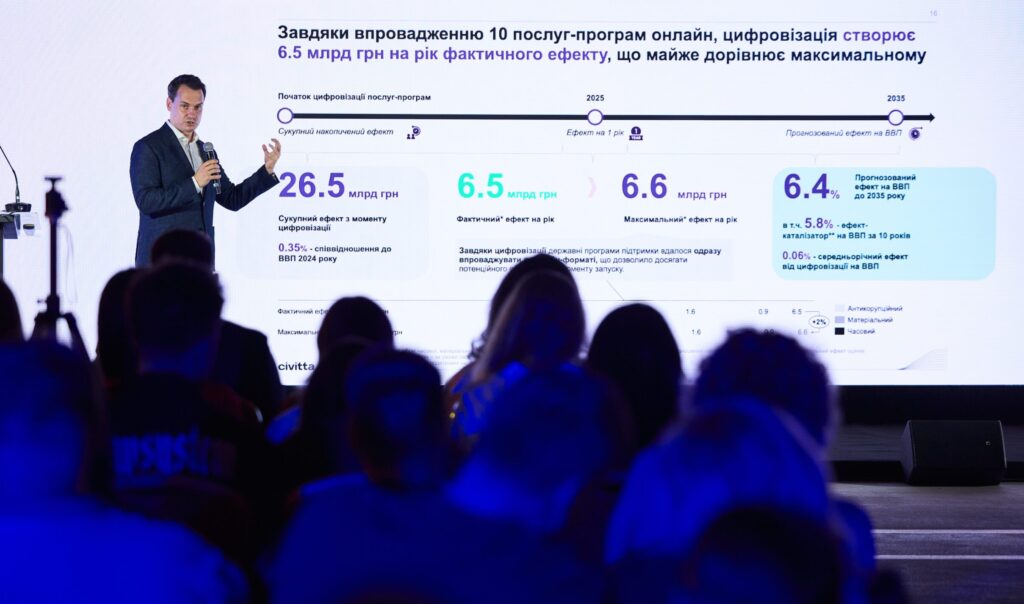
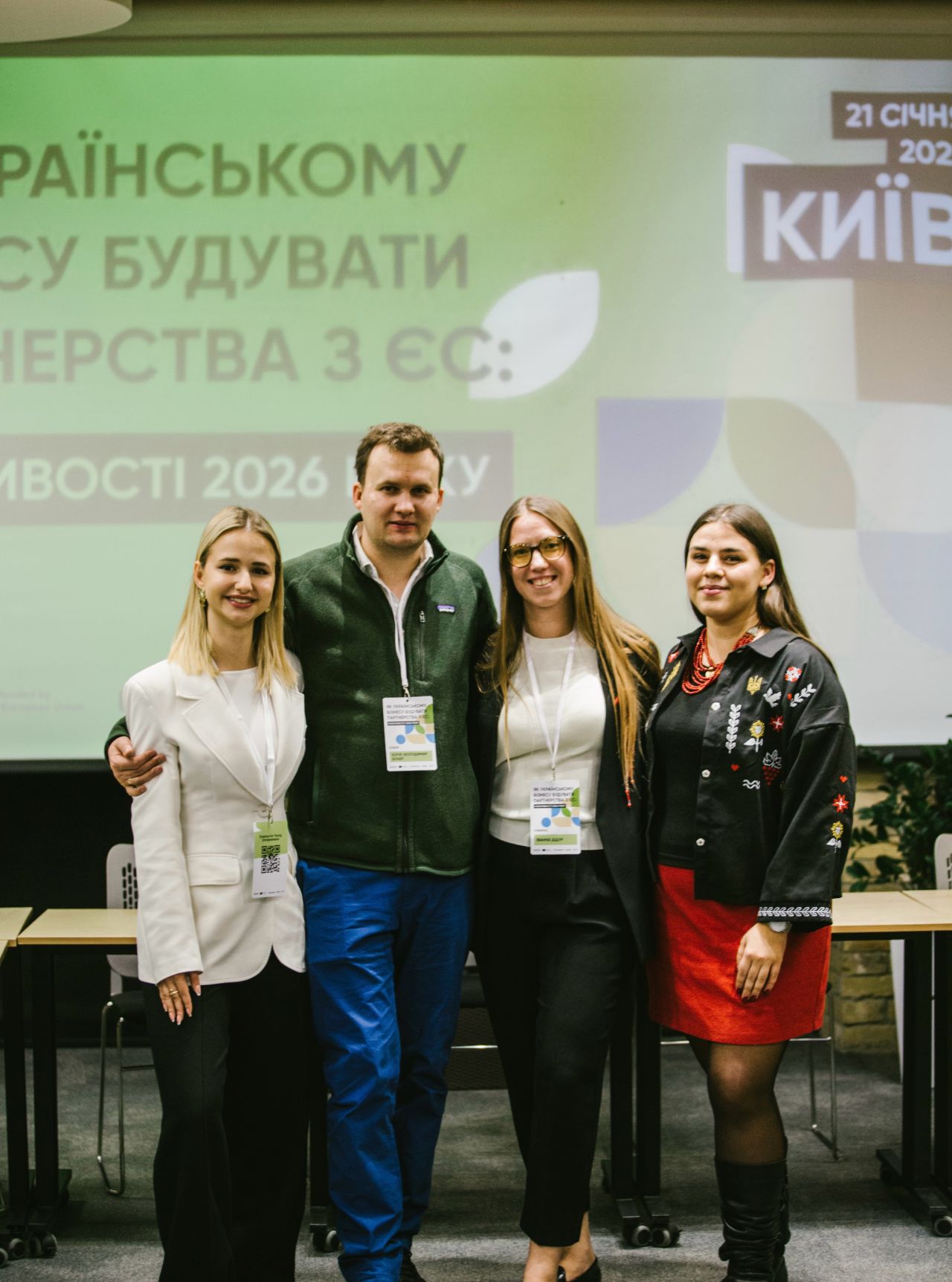
Opening the event, Alina Rudnytska, Senior Consultant at Civitta and Coordinator of the Erasmus for Young Entrepreneurs (EYE) programme in Ukraine, presented the programme’s opportunities and explained why 2026 will be particularly important for Ukrainian SMEs in the context of cooperation with the EU.

Alina Rudnytska
The EYE programme enables participants to:
- Work side by side with experienced EU entrepreneurs on their business idea (for new entrepreneurs with up to 3 years of entrepreneurial experience);
- Gain hands-on insights into European markets, standards, and business culture;
- Lay the groundwork for partnerships, exports, and scaling;
- Receive financial support to cover basic costs up to EUR 1,200 per month, depending on the host country.
Importantly, “young entrepreneur” is not about age. The key criteria are entrepreneurial experience (up to 3 years) and the willingness to invest time in developing a business idea.
Civitta Ukraine and Radar Tech have been implementing the EYE programme in Ukraine for over six years. During this period, 250+ Ukrainian entrepreneurs have completed exchanges with European businesses. The programme continued throughout the pandemic and during the full-scale wa, adapting to circumstances while preserving access to international expertise.
Alumni experience
During the event, EYE alumni Mariia Cheposka (Italy, 2024–2025) and Dmytro Tretyachenko (Spain, 2024) shared their experiences ranging from working with European mentors to business decisions that helped structure their business model, sharpen product positioning, and better prepare for entering the market.
According to EYE alumni in Ukraine, exchanges help entrepreneurs:
- Avoid common early-stage mistakes;
- Better understand the expectations of European partners;
- Adapt a product or technology to EU market requirements;
- Build a business model with international growth in mind.

Panel discussion: building EU partnerships
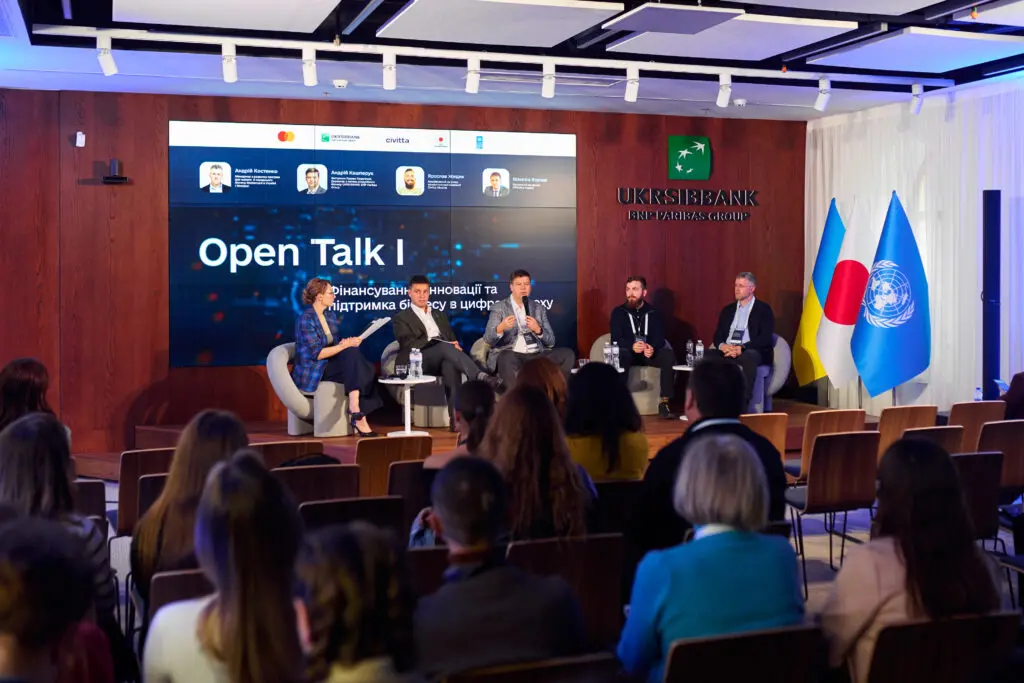
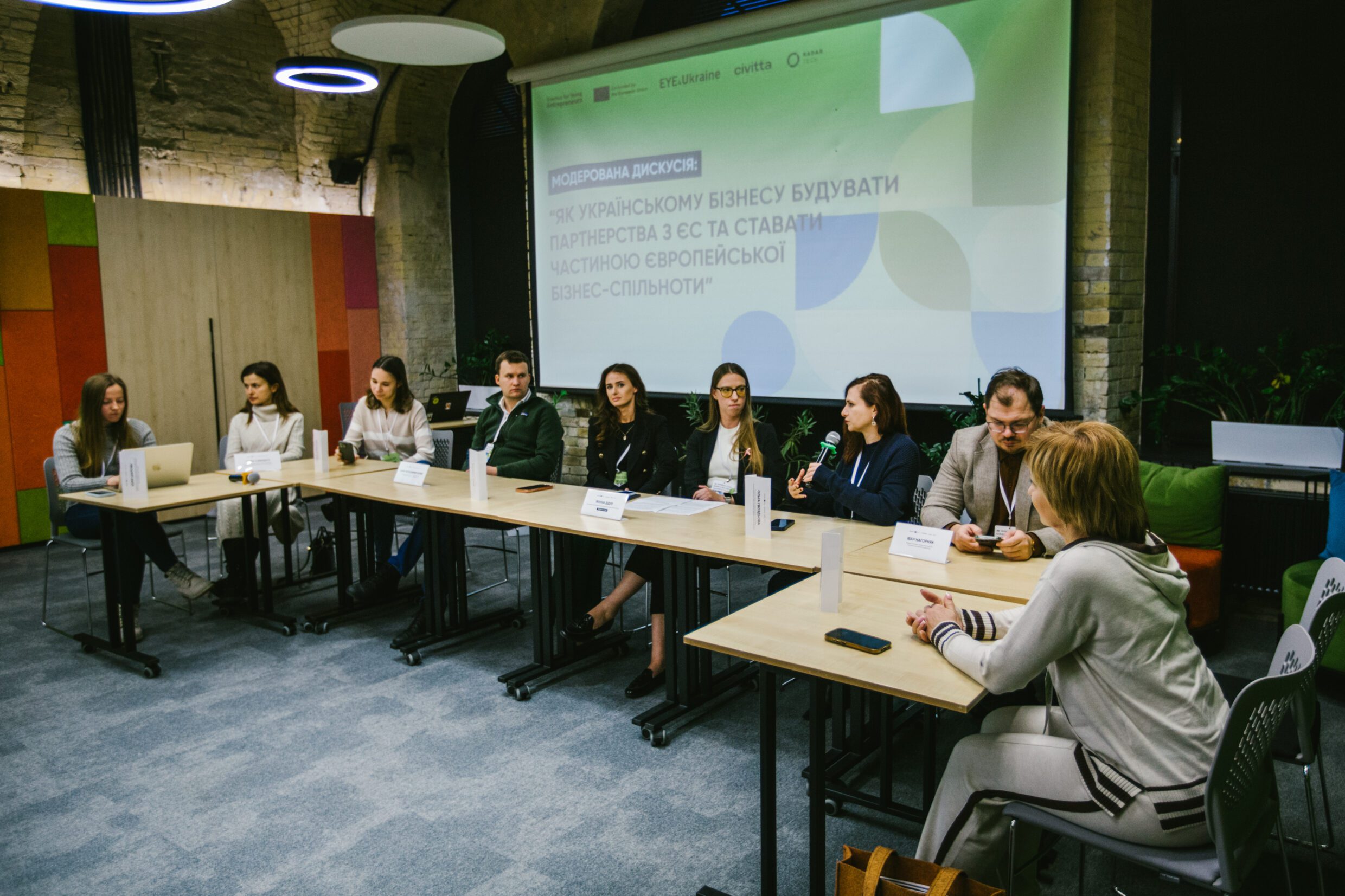
The central part of the event was the moderated discussion “How Ukrainian Businesses Can Build Partnerships with the EU and Become Part of the European Business Community.” According to the discussion moderator, Ivanna Didur, Associate Partner at Civitta, EU partnerships are about strategic decisions that must be made now:
“In this context, 2026 is the horizon where more support instruments and opportunities emerge for Ukrainian SMEs that are ready to play by European rules. But as opportunities grow, so do challenges. Requirements for quality, compliance, and management increase. Success will belong to companies that are ready to work systematically: invest in capability, build trust, understand the logic of specific markets, and approach partners with a well-prepared value proposition.”

Ivanna Didur
Key takeaways from the discussion:
- The EU Single Market is not a single market. The EU consists of diverse markets with their own rules, expectations, and business cultures. Successful exporting begins with a thorough understanding of a specific country and its partner. Differences go beyond regulation covering business practices, sales channels, and the requirements of retailers and procurement teams. In many sectors, “common rules” end where a specific buyer’s requirements begin.
- Formal barriers may be easier than informal ones: trust and verification are critical assets. Certification and documentation matter, but trust, reputation, visibility, and verification can be even more decisive. Transparency, participation in exchange programmes, membership in associations, and engagement in professional communities significantly reduce entry barriers in EU markets.
- In the EU, price is not the main argument. Potential partners often prioritise risk reduction and supply chain stability. For Ukraine, an additional wartime challenge is production-related security risks (from strikes to blackouts), which partners factor into decision-making.
- EU partnerships are not a quick deal; they are a long-term, systematic investment. Entering European markets requires readiness to invest resources, time, and management attention. One-off deliveries do not build trust; consistent presence and predictability do.
- 2026 is about a new business support ecosystem: exchanges and cooperation accelerate integration. Ukrainian entrepreneurs should shift from expecting “quick grants” to tools that build capacity like partnerships, exchanges, and participation in clusters and associations. Support instruments are increasingly cascaded through networks and umbrella organisations. Associations also help businesses navigate opportunities, exhibitions, contacts, and participant verification.
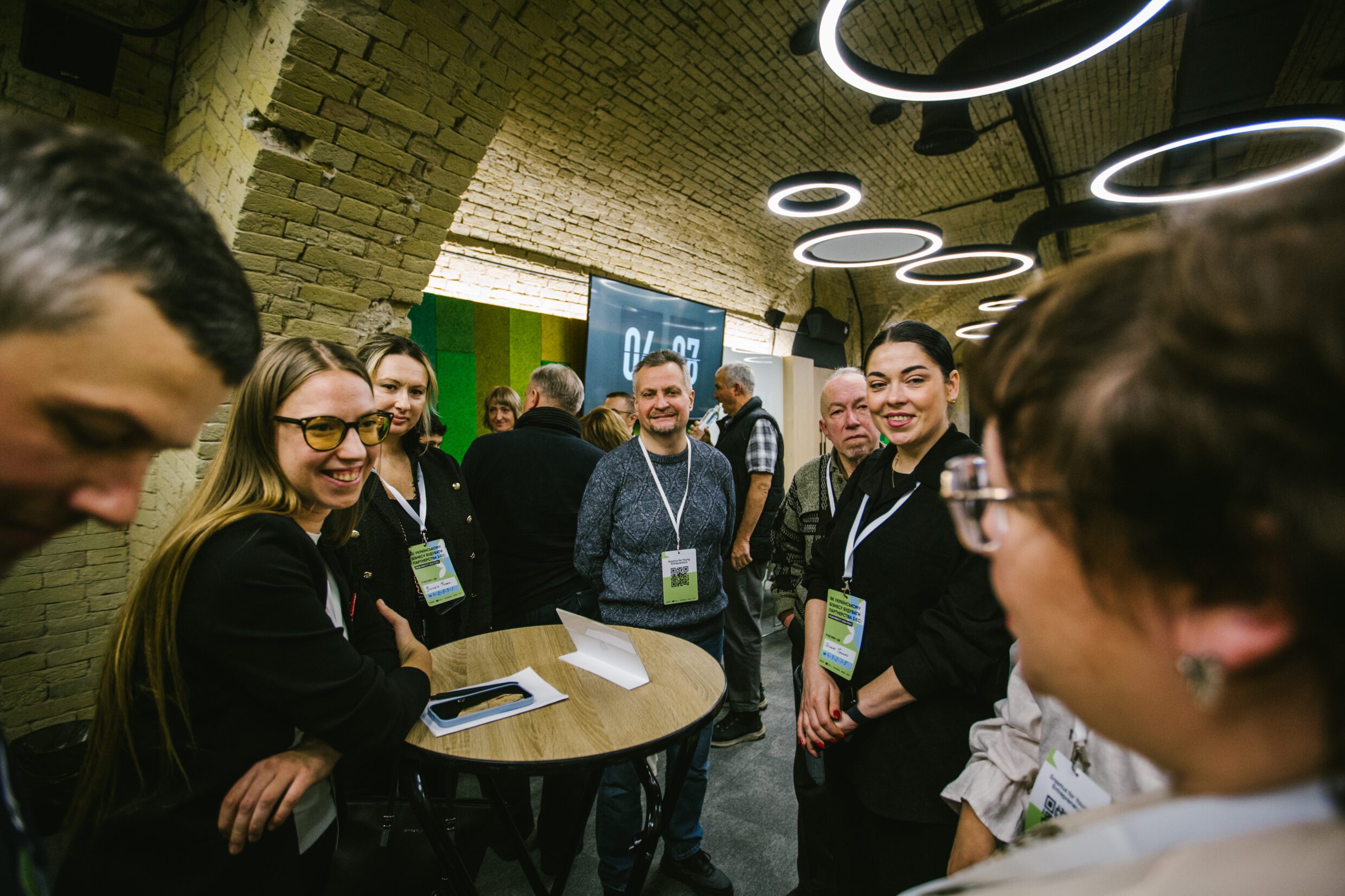
The event concluded with structured networking, allowing participants to continue discussions on specific markets, cases, and next steps with experts and speakers.
- Want to join Erasmus for Young Entrepreneurs (EYE) in Ukraine? Learn how to do it here.
- To apply for the EYE4Ukraine programme, fill out the form here.