Over the first stage, participating teams developed and tested their solutions together with health and social care experts and service providers. The work centred on mapping user needs and testing technological approaches, with institutions, local authorities and other sector partners involved throughout to ensure the solutions answer real needs and can be adopted in practice.
The Demo Day presented the results, focused on keeping people physically able, preventing health risks, supporting care at home and reducing loneliness.
Examples included:
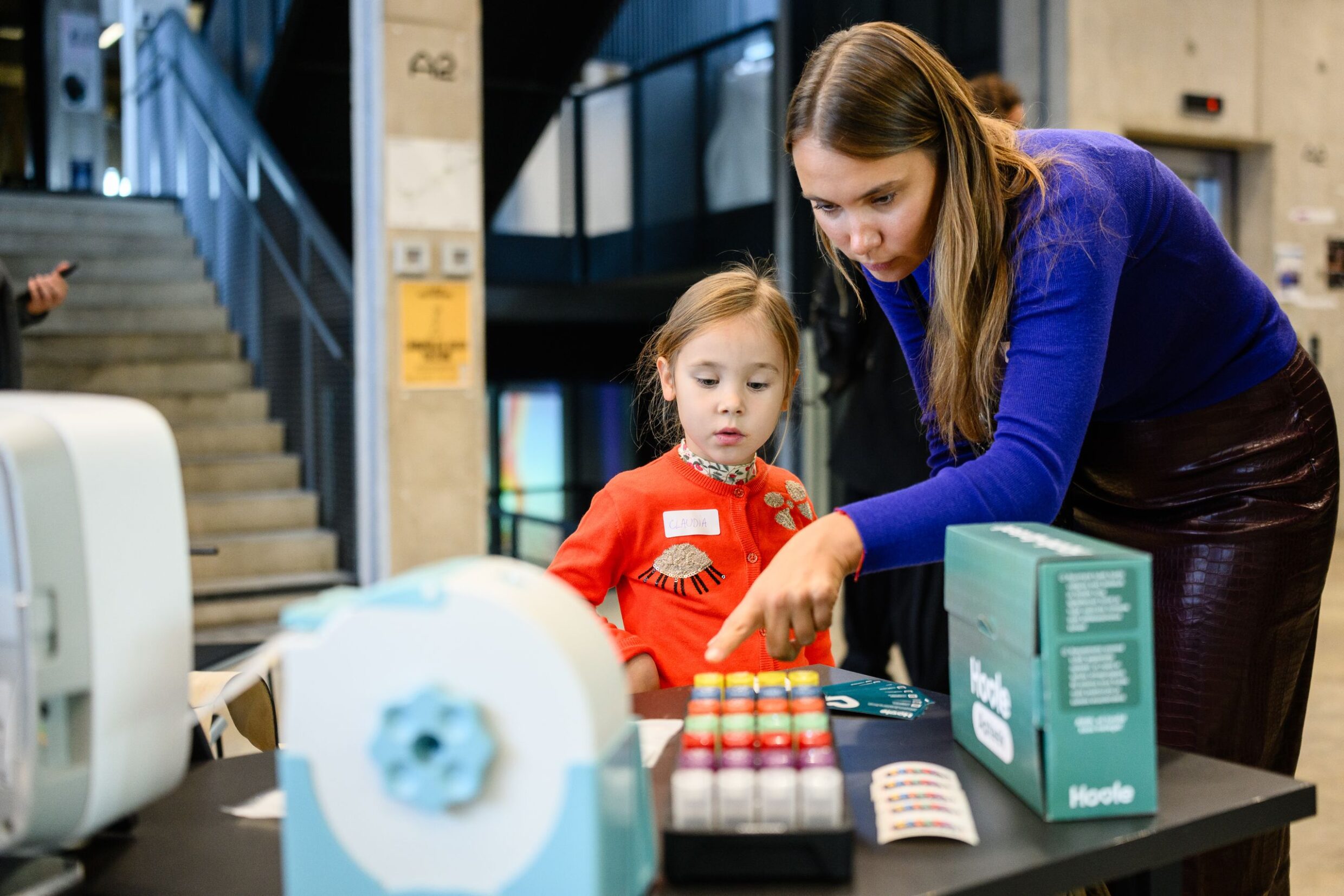
- medication management service that helps older people take their medicines correctly;
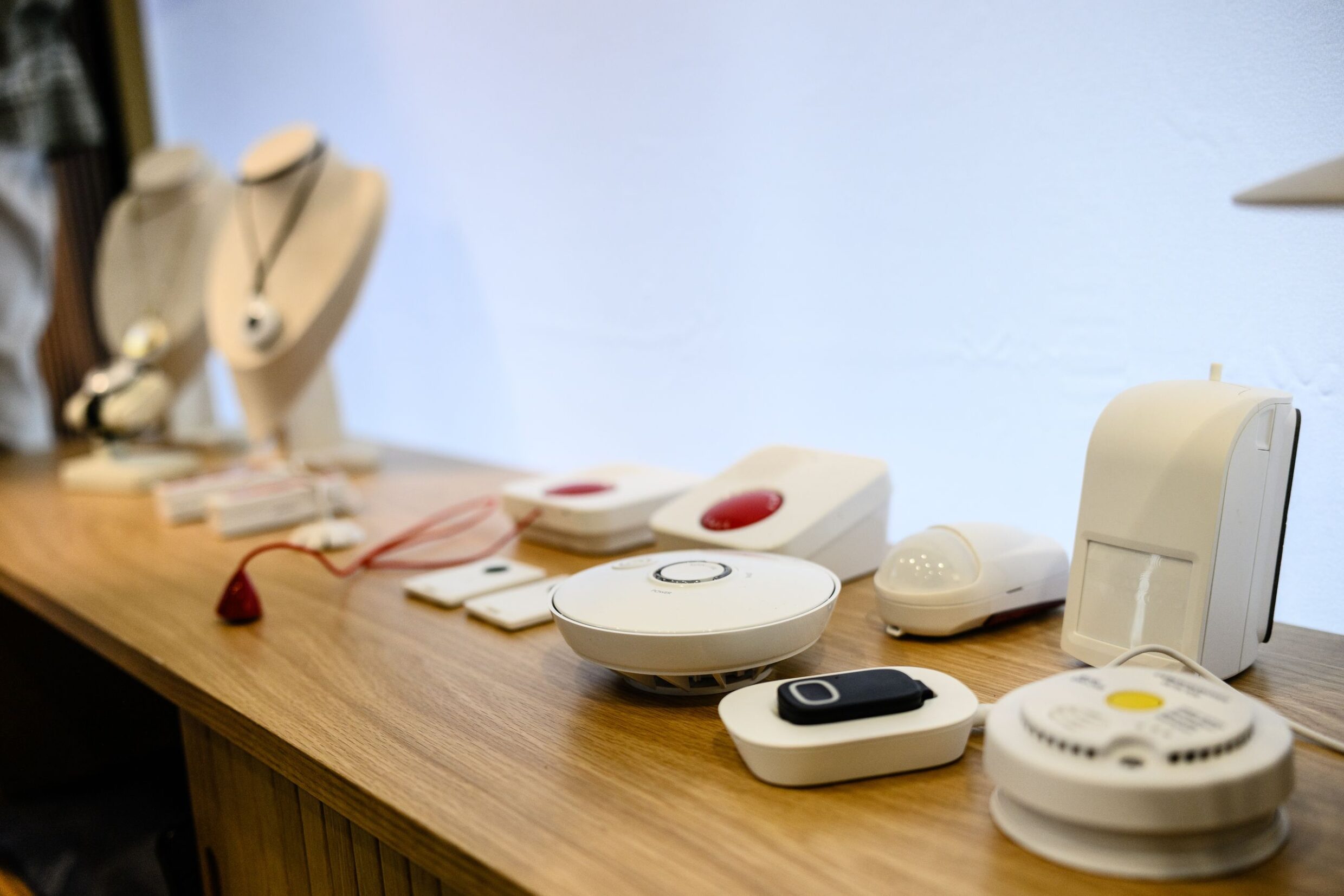
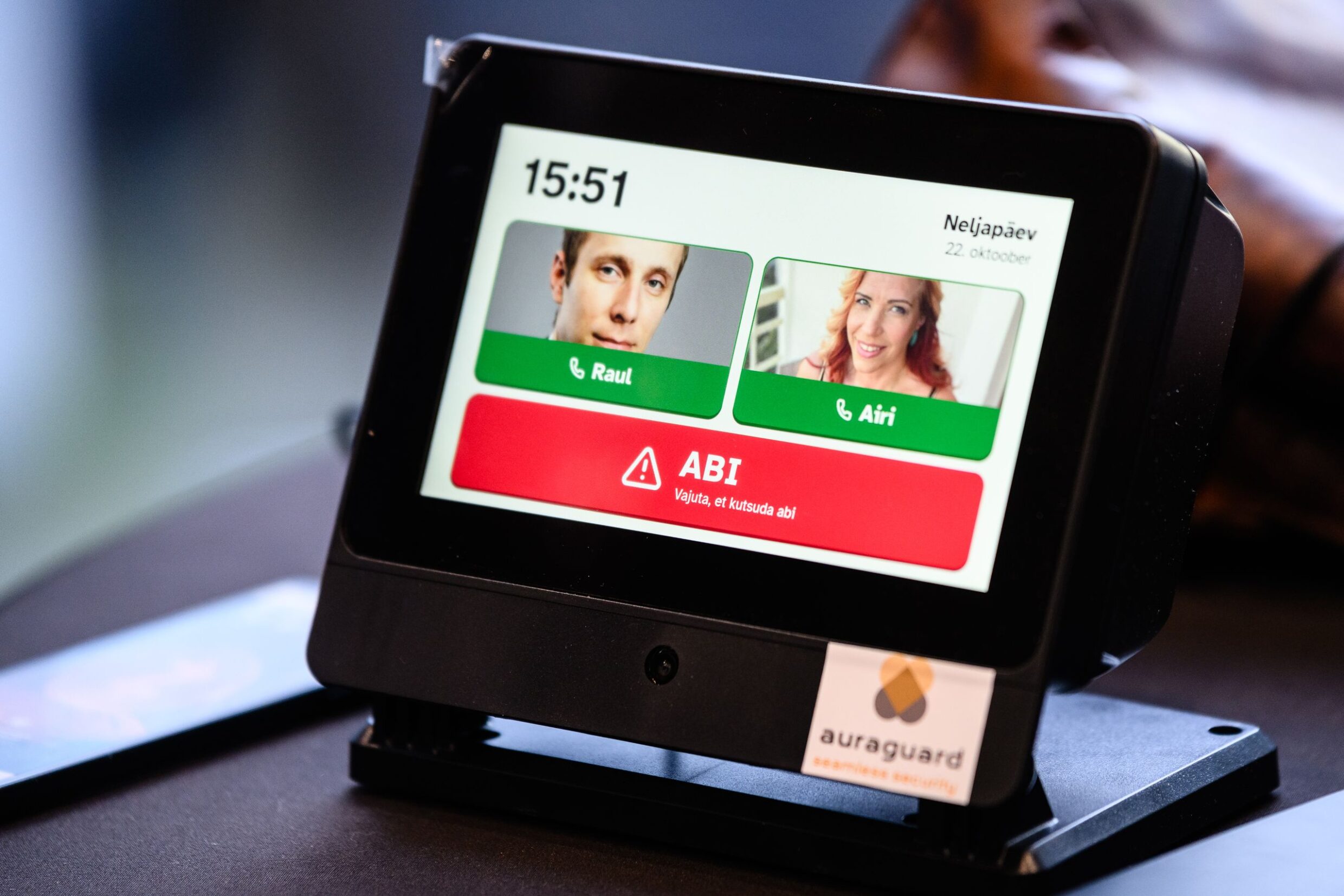
- remote monitoring solution with smart sensors that spots early when someone may need help;
- digital application that supports communication for people with speech difficulties;
- solution that encourages older people to be more physically active.
Usability was a key theme. Because older people and adults with disabilities have very different needs, abilities and habits, ease of use and accessibility were built into development from the start. For the teams, feedback from sector experts and potential users proved one of the most valuable parts of the programme.