Erste Bank: mobile app redesign for a Central European banking leader
Client
Erste Bank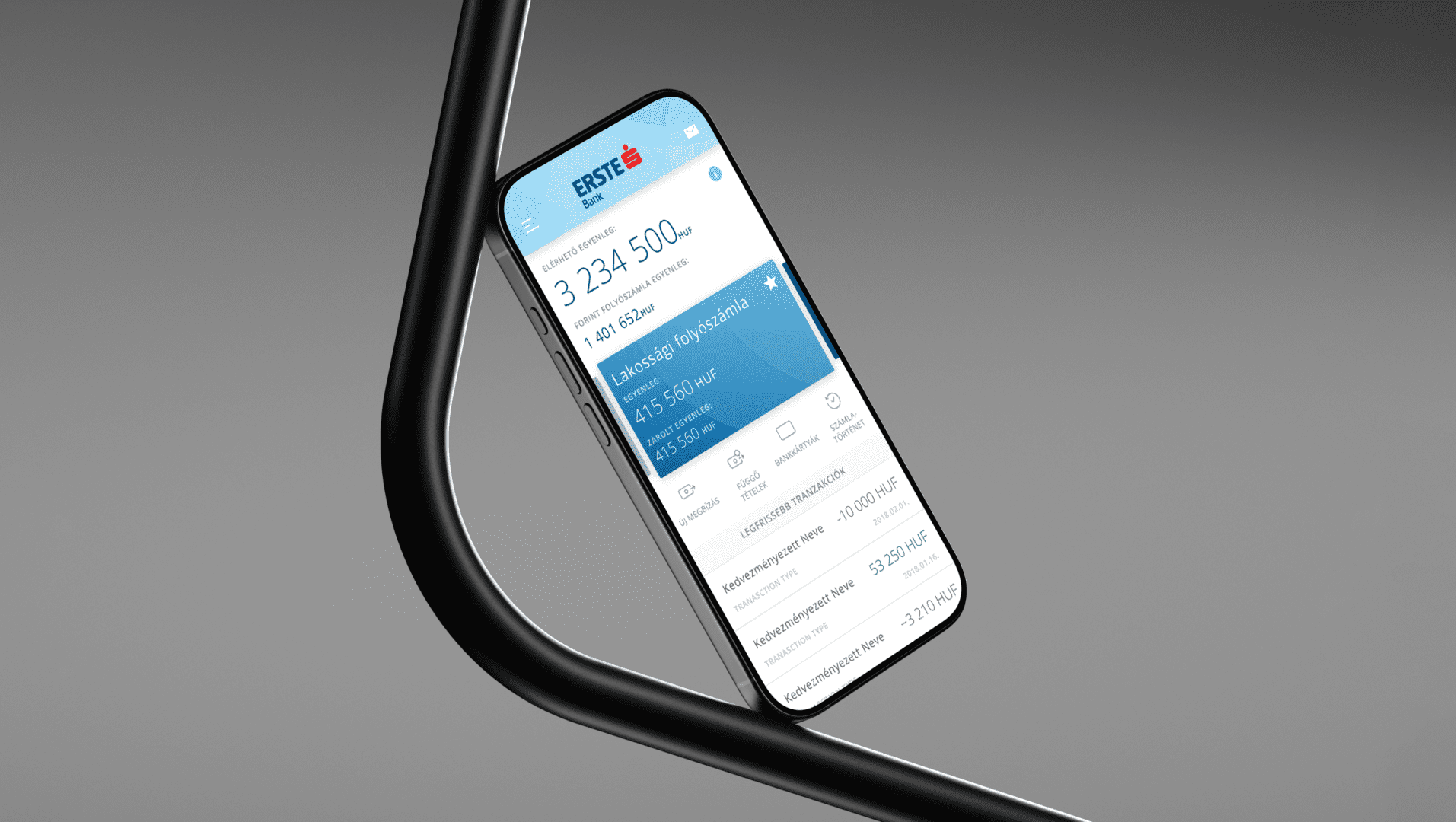
Client Overview:
Erste Bank is one of Central Europe’s leading retail banking institutions, serving millions of customers across the region. As digital challengers like Revolut and Transferwise rapidly gained market share by offering seamless, user-centric mobile experiences, Erste faced an urgent strategic imperative: reimagine its mobile banking application from the ground up to stay competitive in the evolving financial landscape.
The Challenge:
The rise of neobanks and digital-first challengers fundamentally disrupted the retail banking sector, raising customer expectations around mobile experience to a level that legacy banking apps were not designed to meet. Erste’s existing mobile application needed to be reinvented to remain relevant.
Key challenges:
- Legacy backend constraints: The redesign had to remain compatible with Erste’s existing backend infrastructure, significantly limiting the freedom to reimagine user journeys from scratch.
- Regulatory complexity: The introduction of PSD2 (Revised Payment Service Directive) meant that any new design had to comply with a new layer of EU security and online banking standards – requiring deep legal and technical learning on the fly.
- Compressed timeline: The full research-backed redesign – covering user journeys, wireframes, and UI – had to be completed in just over 3 months, leaving no room for delays.
- Corporate and external team coordination: The project required close collaboration with Erste’s internal corporate teams and an external development team simultaneously, in a structured but fast-moving environment.
Our Approach:
Civitta led the end-to-end redesign process, from initial research through to final UI delivery, applying a combination of design thinking, lean methodology, and agile execution.
- Phase I: Research and Discovery
The team invested over 200 hours on-site and in the field, conducting in-depth interviews with banking experts, legal teams, and security specialists within Erste. This fieldwork ensured a thorough understanding of the bank’s technical infrastructure, legal constraints under PSD2, and the real boundaries within which the new user journeys could operate.
This evidence-based foundation prevented costly rework later in the process and ensured that every design decision was grounded in actual system and regulatory realities – not assumptions.
- Phase II: Journey Design and Wireframing
With a clear picture of constraints and opportunities, the team moved into designing streamlined banking journeys and authentication flows. Each journey was validated against the legacy backend system and PSD2 requirements, ensuring that the improved user experience would be technically and legally deliverable.
Wireframes were developed iteratively, with continuous feedback loops with Erste stakeholders and the external development team to maintain alignment throughout.
- Phase III: UI Design and Agile Delivery
To meet the deadline, Civitta re-engineered its internal SCRUM-based design and communication structures to fit the corporate environment. The team ran sprint planning sessions, daily standups, brainstorming events, retrospectives, and regular on-site days to maintain the pace required.
Full transparency was provided to all parties – client, legal, and development team – at every stage of progress, reducing coordination overhead and enabling fast decision-making.
Results & Impact:
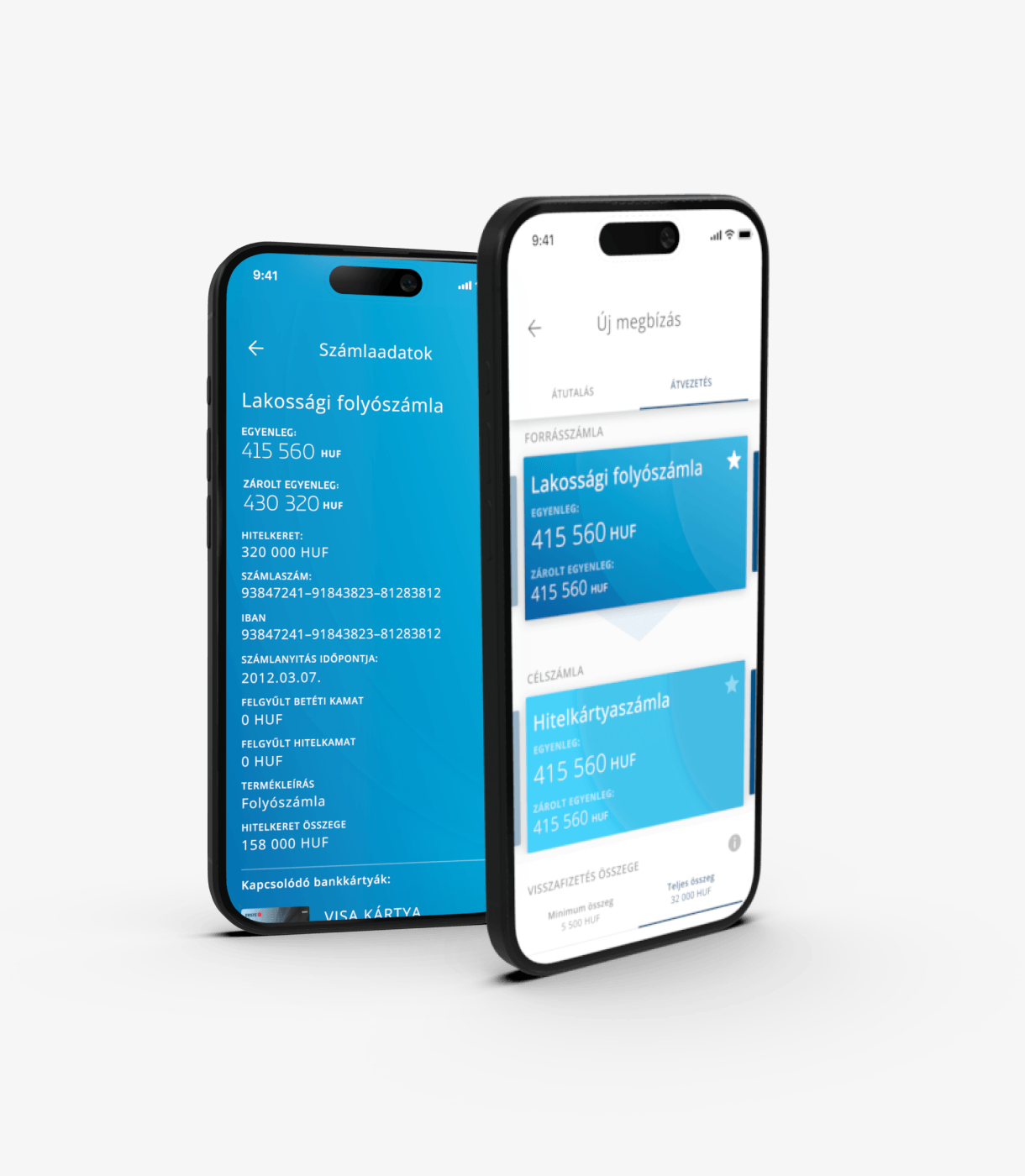
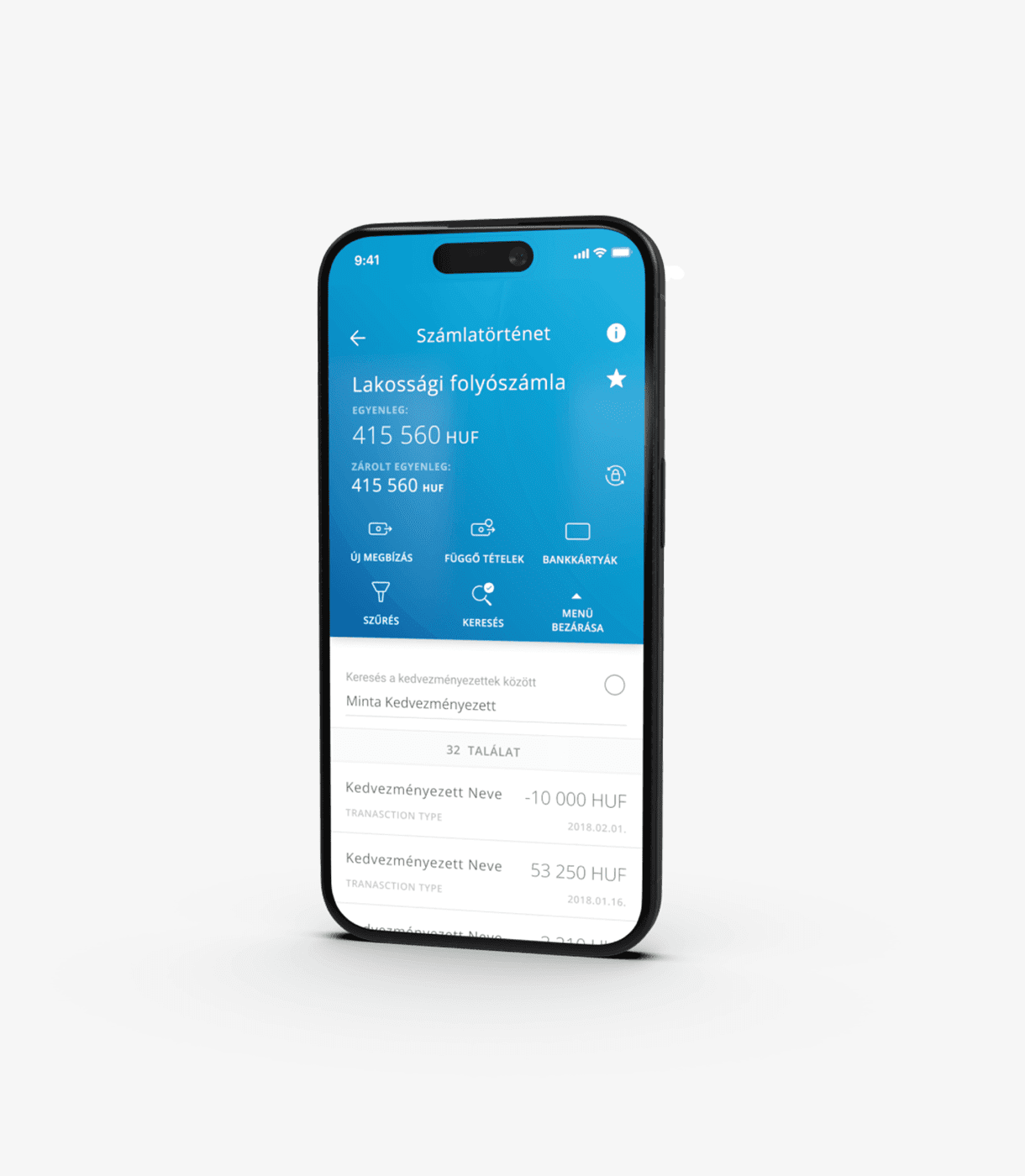
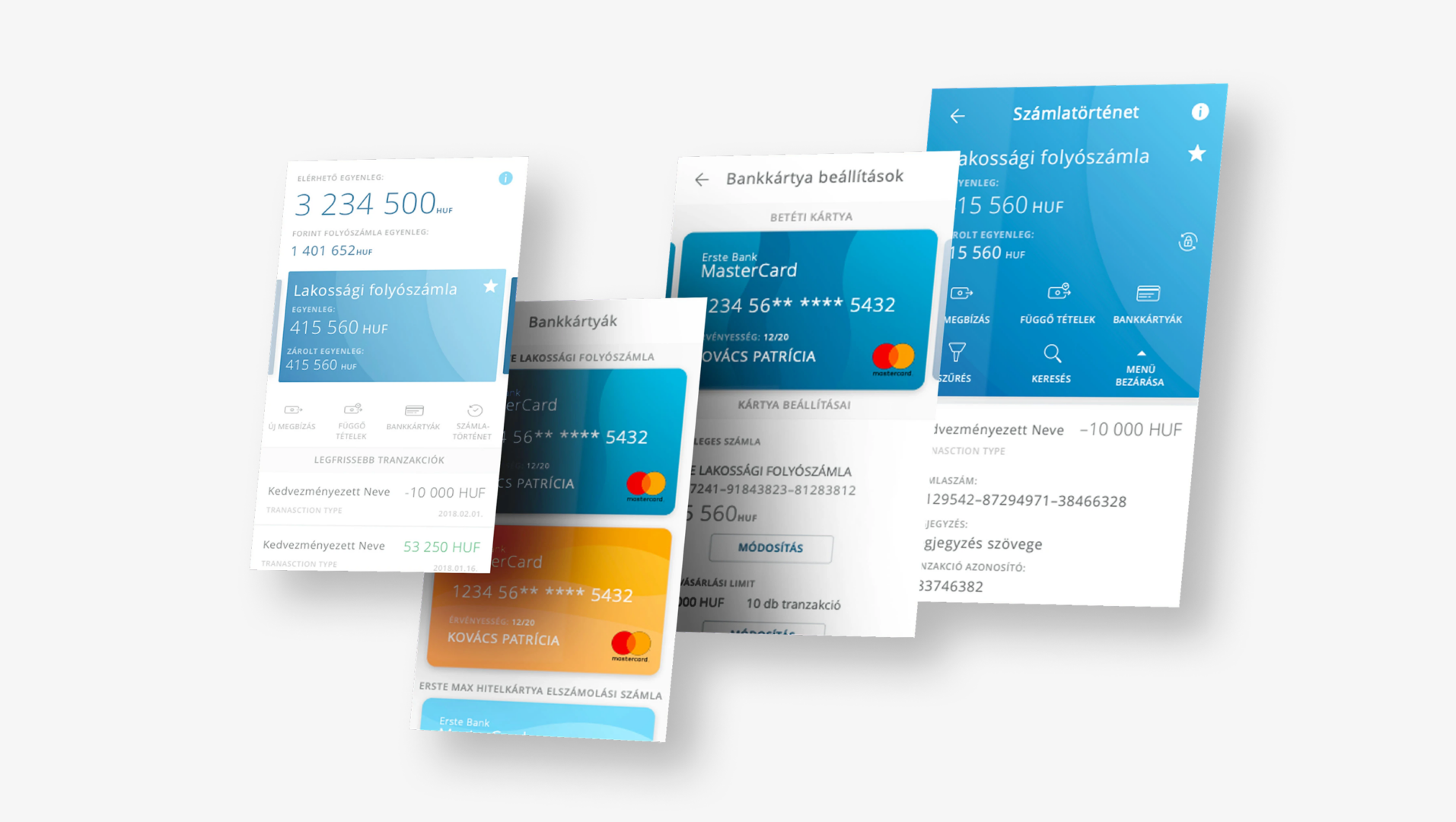
Civitta delivered a fully research-backed, PSD2-compliant redesign of the Erste Mobil Bank application – on time, within a 3-month engagement – covering user journeys, wireframes, and final UI design for both Android and iOS.
The redesigned application positioned Erste to compete directly with digital challengers by offering a significantly improved user experience, without requiring a full overhaul of the underlying backend systems. The process demonstrated that a legacy banking institution can move at startup speed when the right methodology and team structure are applied.
Beyond the deliverables, the project established a blueprint for how traditional financial institutions can adopt agile design practices within corporate constraints – a replicable model for future digital transformation initiatives.
Key Takeaways:
1. Constraints are a design input, not a barrier: Deep early investment in understanding backend and regulatory constraints was the key to delivering a realistic and implementable user experience.
2. Agile works in corporate environments when deliberately engineered: The team didn’t simply apply agile methodology – it adapted its own internal structures to fit the client’s corporate reality, which was essential to maintaining speed without sacrificing quality or alignment.
3. Research at pace is possible: Even within a 3-month timeline, rigorous UX research (200+ hours of fieldwork) proved compatible with fast delivery – but only through parallel workstreams and continuous stakeholder engagement.
4. Compliance as design opportunity: Rather than treating PSD2 as a constraint to work around, the team treated regulatory compliance as an integral part of the user experience, resulting in a product that is both more secure and more intuitive.