UNDP: research on disability extra costs in Armenia
Client
UNDP ArmeniaClient overview:
UNDP Armenia, the country office of the United Nations Development Programme, worked with the Ministry of Labour and Social Affairs of the Republic of Armenia (MoLSA) on social protection and disability inclusion. Together they commissioned a national study on the extra costs of living with a disability, carried out within the EU-funded programme Strengthening the Social Protection System in Armenia, implemented jointly by UNICEF, UNDP and the World Food Programme (WFP).
Armenia is reforming how it assesses and supports persons with disabilities, moving from a medical approach to a functionality-based model in line with the UN Convention on the Rights of Persons with Disabilities. The study was designed to inform national policy decisions directly.
The Challenge:
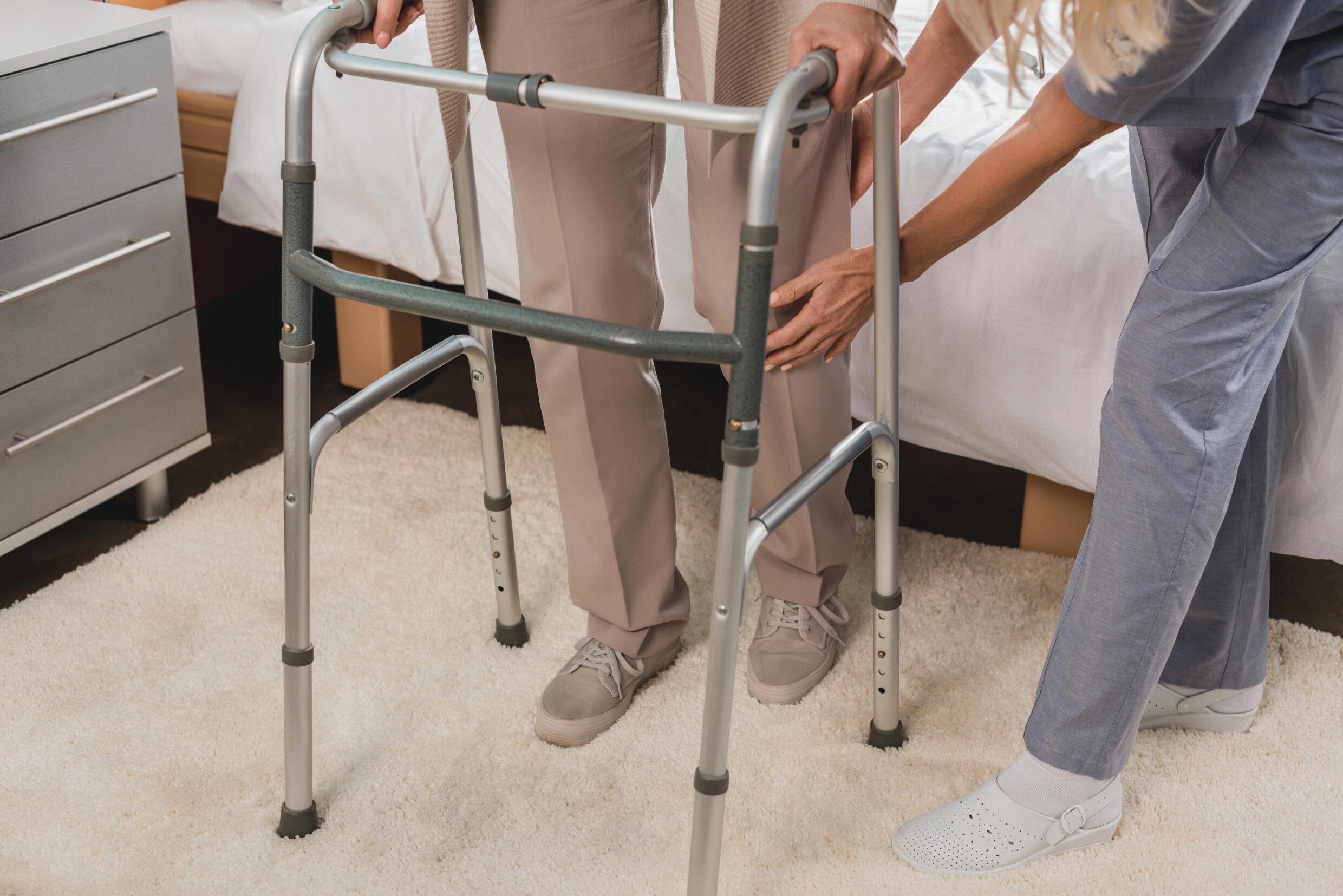
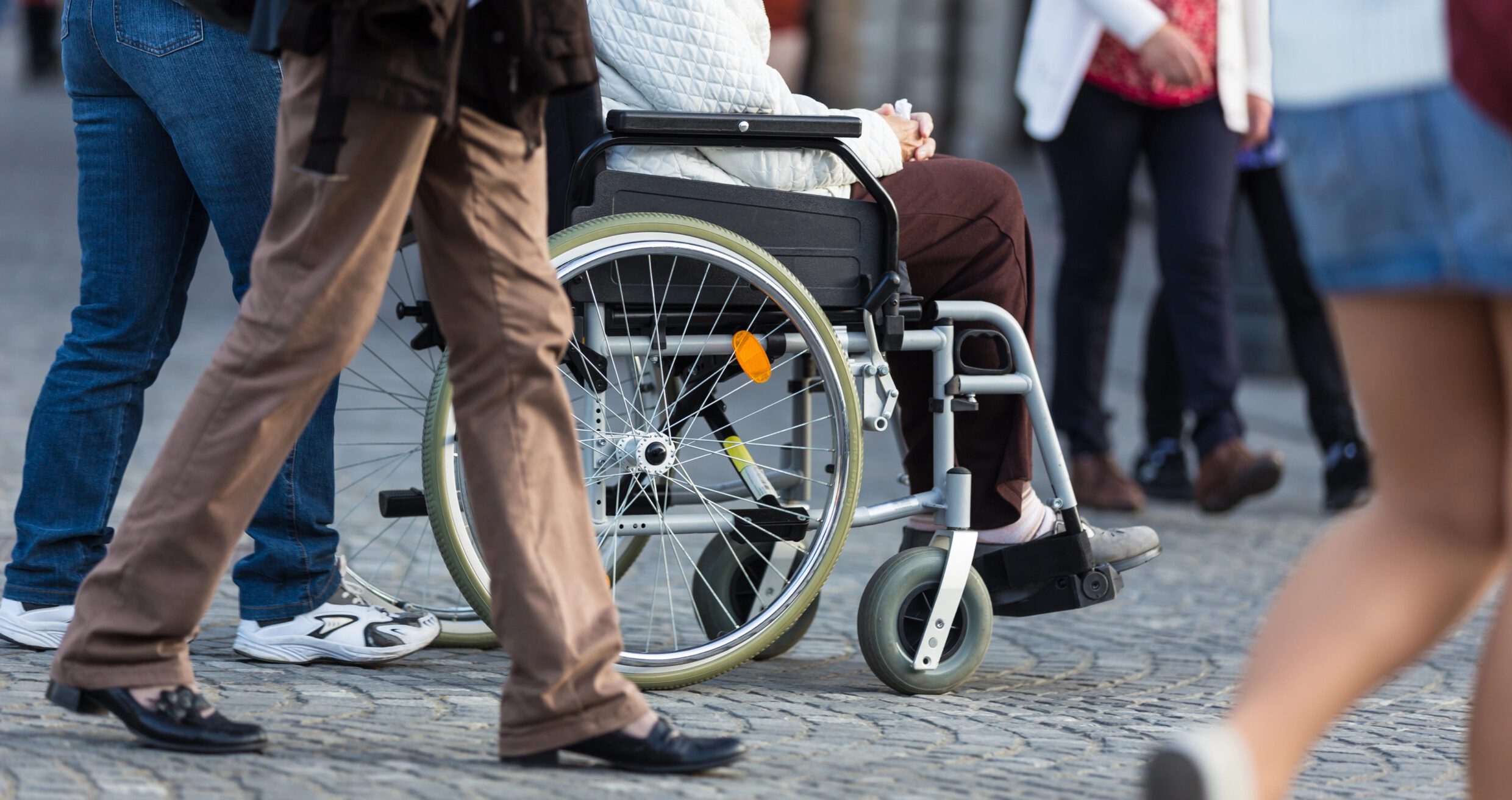
Armenia had no measure of what it actually costs to live with a disability, so disability support was not set on that basis. People with disabilities and their families repeatedly said that benefits were not enough, but there was no robust evidence on how large the gap was, what drove it, or how it differed between groups.
The client needed to understand which goods and services adults with disabilities need to take part in society on an equal basis, and what these cost. This was essential for setting fair benefit levels and targeting support where it is needed most.
The task was complex for three reasons:
- Diverse needs. Costs vary widely between mobility, visual, hearing and speech, mental and intellectual disabilities, and chronic conditions, and by degree of functional limitation. One in five respondents lives with more than one disability.
- Hidden costs. Many needs go unmet because people cannot afford them, so what people spend understates what they actually need. Family members also give up paid work to provide care.
- Different cost types. One-off costs such as home adaptation or prosthetics work very differently from recurring ones such as medicines, transport and care.
Our Approach:
Civitta combined large-scale fieldwork with needs-based cost estimation, so that individual experiences could be turned into evidence that policymakers can use.
- Listening to people first. We ran a nationally representative telephone survey of adults (aged 18 and over) with disabilities and their legal representatives in Yerevan and all regions, structured by type of disability. Engagement was strong, with over three-quarters of those contacted taking part. The questionnaire covered all areas of daily life: work, income and benefits, care, housing and transport, assistive devices, health, and social and education services.
- Looking beyond spending. We captured two layers of cost: what people actually spend because of their disability, and what they need but go without for financial reasons. We also measured the income lost by family caregivers, a cost that official statistics usually do not capture.
- A needs-based cost model. Using the “goods and services required” approach, Civitta built a transparent Excel model covering more than 75 goods and services across seven areas: home adaptation, assistive devices, transport, medical care, social services, education and caregivers’ lost income. Survey prices were cross-checked against local market prices. Each item was weighted by how many people with that type of disability actually need it, and costs were split into one-off and recurring. The client can update the model and use it for scenario planning.
- Turning voices into recommendations. Open-ended answers were analysed and grouped into practical policy recommendations, so that the people affected shaped the conclusions.
- Validating with the client. The findings and the cost model were presented and discussed at validation workshops with UNDP Armenia and the Ministry of Labour and Social Affairs. This ensured that the results reflect policy realities and are owned by those who will use them.
Results & impact:
What the study showed:
- Benefits fall well short of needs. Around two-thirds of respondents said their disability benefit does not cover disability-related costs at all. Most of the benefit is spent on medicines and food. The modelled extra cost of disability is several times the typical benefit for every type of disability.
- Health is the main cost driver. Medical care makes up the largest share of extra costs (31–42%, depending on disability type), followed by transport (18–25%).
- Care falls on families. Two-thirds of respondents need care, and in 97% of cases it is provided by family members. Caregivers’ lost income accounts for 13–38% of total extra costs, the highest share for people with hearing and speech disabilities.
- Needs go unmet. More than half of those who needed surgery and almost half of those who needed rehabilitation therapy (48%) had not received it, mainly because of cost. In addition, 85% of those needing social services were not using them.
- Exclusion from work. More than half of respondents do not work, and only about 15% are in paid employment or self-employed. Lack of willingness is rarely the barrier; the main obstacle is a lack of suitable opportunities.
- Costs differ by group. People with mobility impairments and chronic conditions face the highest extra costs, mainly because of assistive devices and health care.
What the client gained:
- The first nationally representative, disability-specific evidence on the extra costs of disability in Armenia.
- A reusable cost model that can be updated with new prices and coverage rates and used for budget scenarios.
- A clear distinction between one-off and recurring costs, which helps in choosing between one-time grants, regular cash support and in-kind services.
- Policy recommendations grounded in the priorities of persons with disabilities themselves: access to medicines and health care, benefit indexation, a fairer functionality assessment, employment support, paid caregiver and personal-assistance schemes, and transport support.
Long-term impact: The study gives the Government and its partners an evidence base for reviewing benefit levels, planning targeted support and prioritising services within the social protection reform.
Key takeaways:
- Spending alone does not tell the full story. Measuring unmet needs and caregivers’ lost income shows that the real cost of disability is far higher than what households currently spend or receive.
- Combining voices and numbers works. Civitta brought together large-scale fieldwork and needs-based cost estimation, turning individual experiences into policy-ready evidence on a tight timeline and with full quality control.