Yettel: a unified design system for a multi-market telecom
Client
Yettel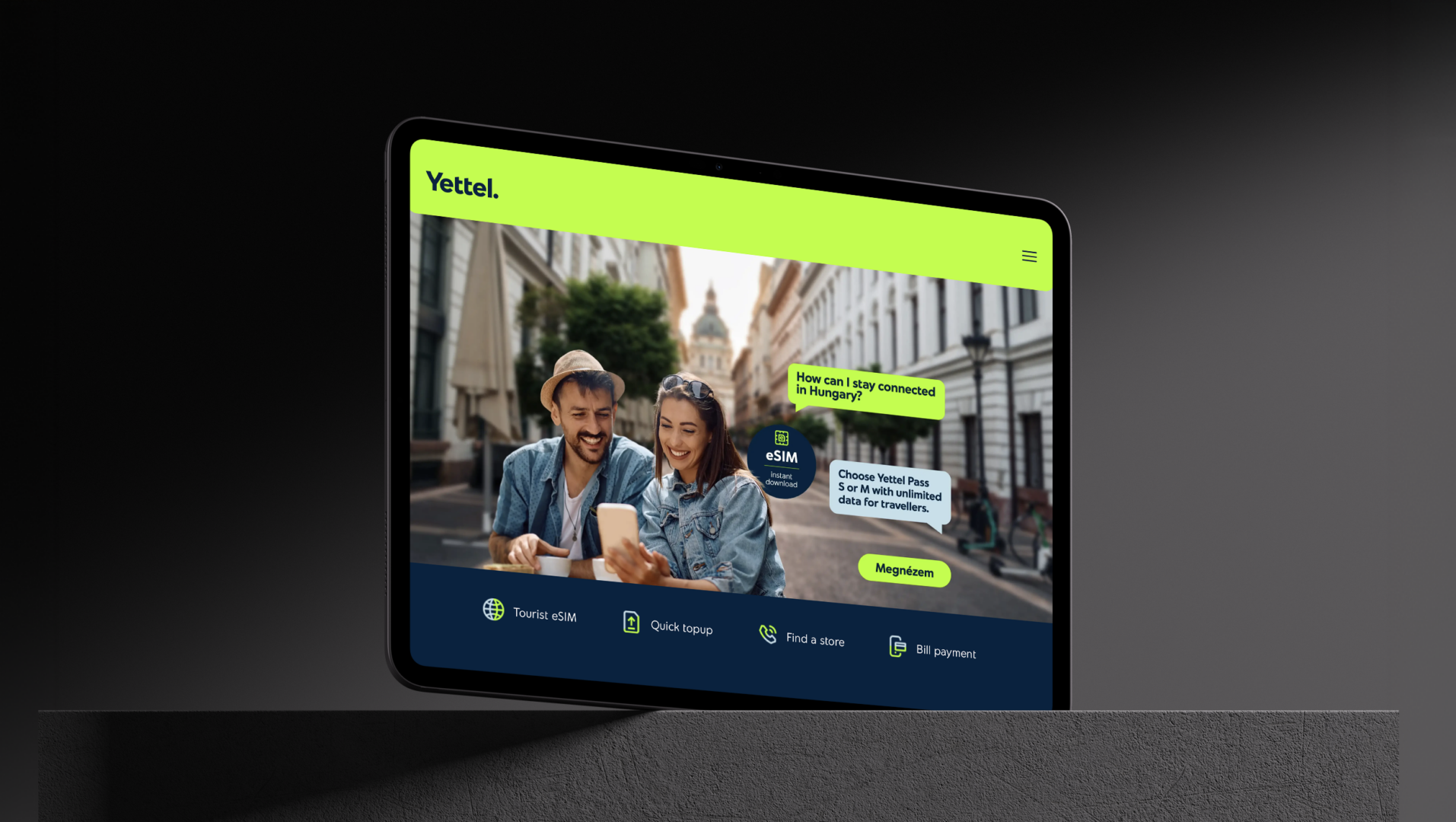
Client Overview:
Yettel is a major telecommunications provider operating across Central and Eastern Europe, serving millions of customers in multiple markets.
As the brand underwent a regional repositioning, it faced a critical need to unify its digital presence across diverse platforms and local markets – translating a refreshed brand identity into a scalable, consistent system that every team and touchpoint could reliably build from.
The Challenge:
Yettel needed a structured, future-proof design system that could serve as the single source of truth for product teams, marketing departments, and development partners across several CEE markets simultaneously.
Key challenges:
- Multi-market complexity: The design system had to accommodate regional variation while preserving brand consistency.
- Cross-agency coordination: The project required tight synchronization across multiple agencies working in parallel, with no room for misalignment on standards, components, or documentation.
- Platform breadth: The system needed to work seamlessly across web and mobile – covering every digital touchpoint a customer might encounter.
- Future-proofing under pressure: The system had to be built not just for today’s needs, but designed to evolve – with tooling, brand, and business requirements all likely to shift over time.
Our Approach:
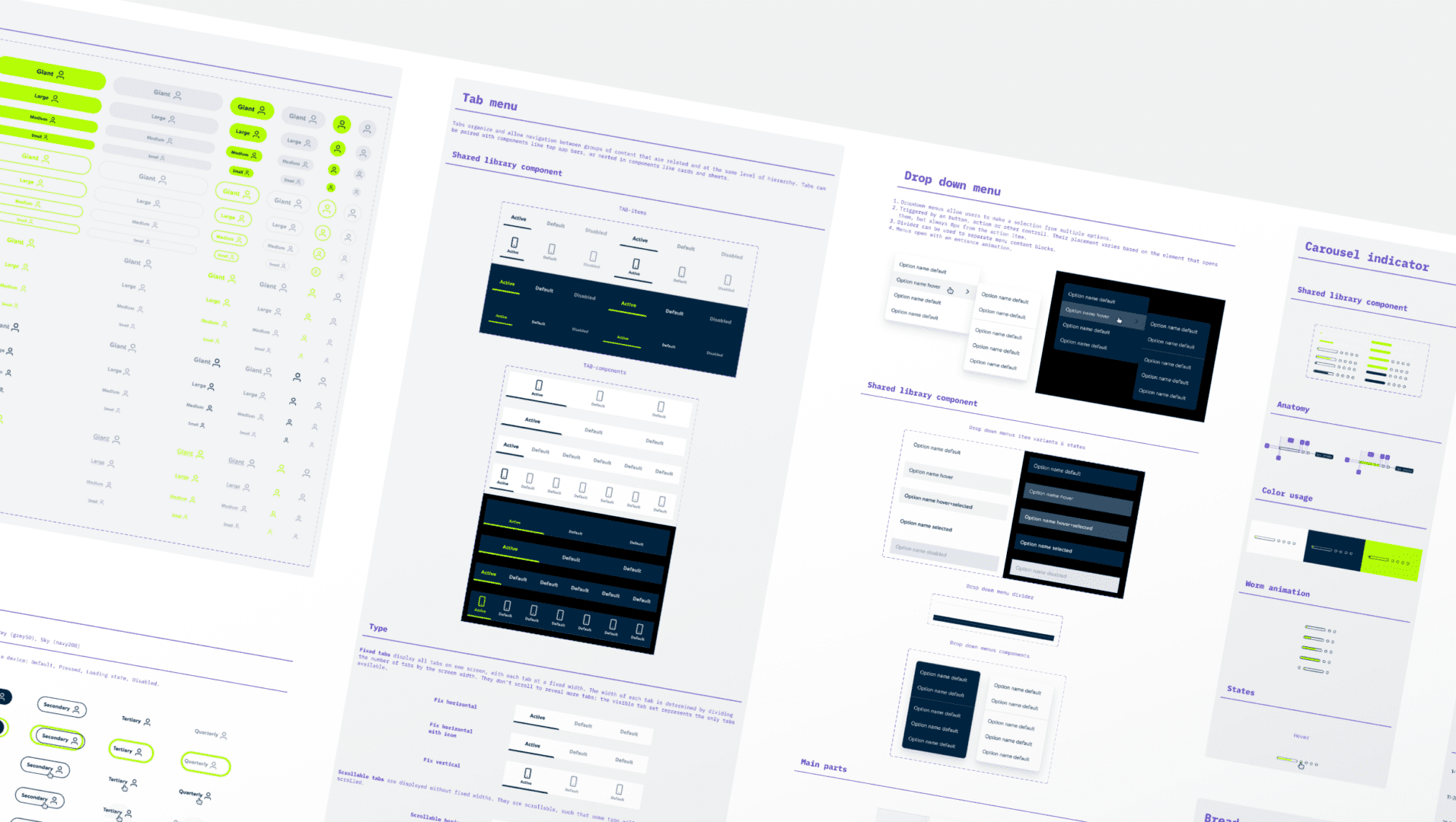
Civitta led the end-to-end design system build – from foundational asset definition through to full documentation – applying a modular, collaboration-first approach in Figma.
- Phase I: Foundation and Asset Architecture
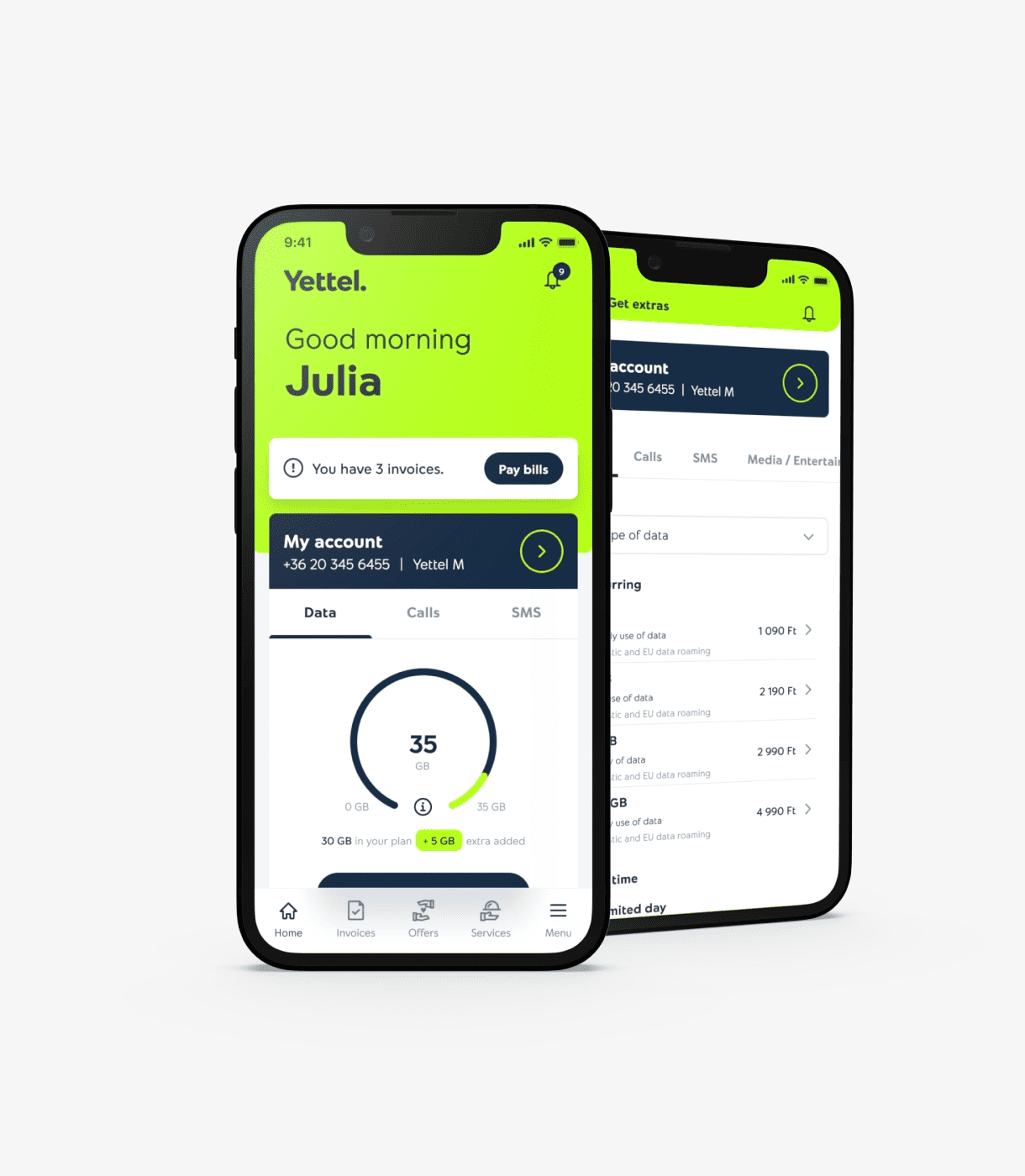
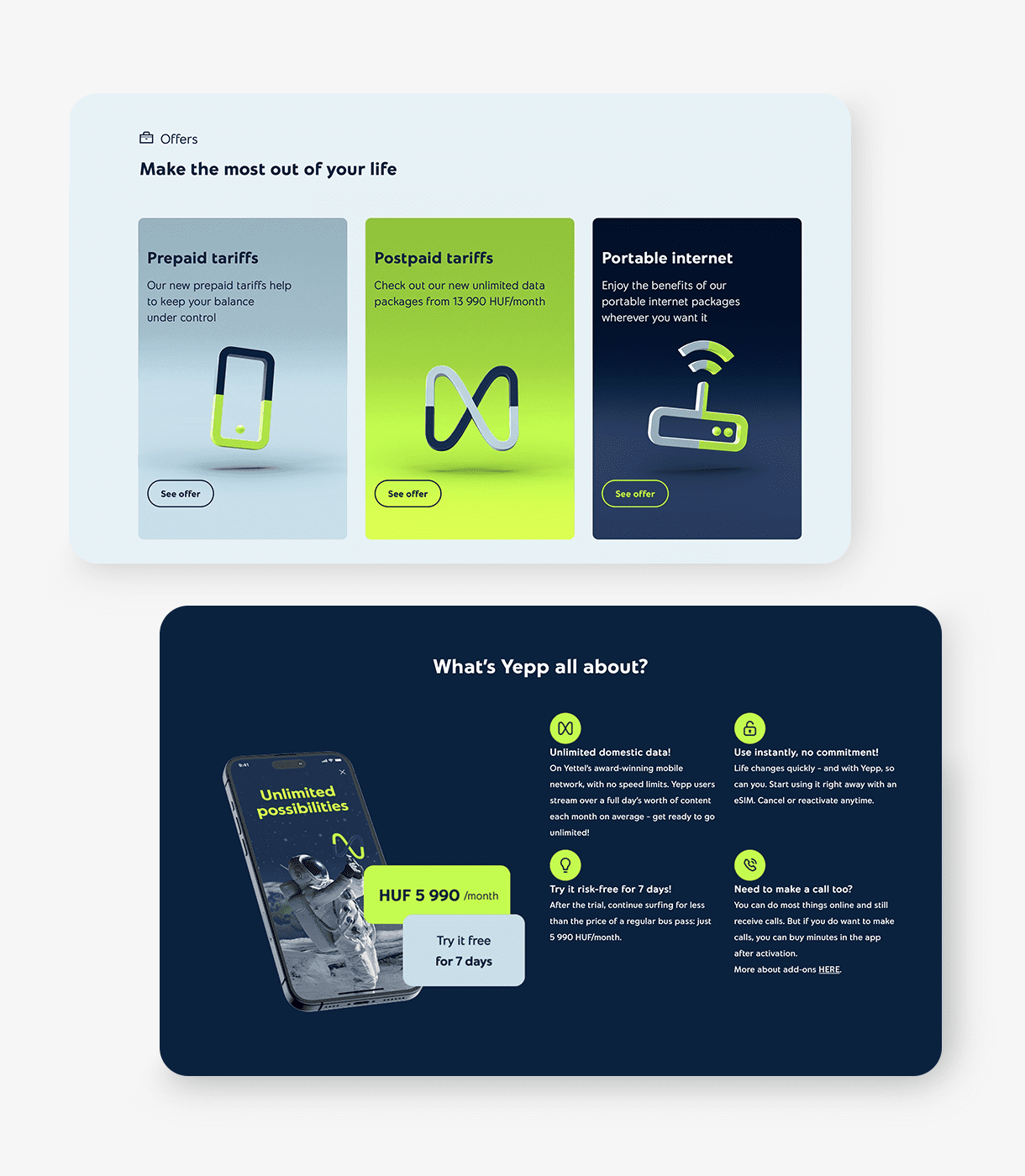
The team established the core visual and interactive language of the brand in digital form: color tokens, typography scales, button hierarchies, icon systems, and interaction patterns. Every element was defined with both usability and brand fidelity in mind, creating a structured library that marketing teams and engineers could adopt without friction.
- Phase II: Documentation
The full system was documented in Zeroheight, transforming a design library into an accessible, team-wide resource. Clear documentation reduced dependency on direct design involvement for every output – enabling local teams across markets to produce high-quality, on-brand work independently.
- Phase III: Dark Mode, Iconography, and Evolving Tooling
Dark mode was treated as a first-class design challenge – not a color inversion, but a full rethink of contrast, readability, and accessibility while preserving brand character. A cohesive icon set was developed as a core brand expression, not merely a utility layer. When Figma introduced variables in 2024, the team proactively integrated tokenization into the existing library, future-proofing the system against further tooling evolution.
Results & Impact:
Civitta developed a comprehensive, fully documented design system for Yettel, deployed across web and mobile platforms in multiple CEE markets.
The system became the operational backbone of Yettel’s digital brand: enabling consistent output across agencies, accelerating production timelines, and ensuring that every customer-facing touchpoint reflected a unified brand experience. By building adaptability into the system’s structure from day one, the delivery positioned Yettel to scale its digital presence without sacrificing consistency or quality.
Key Takeaways:
1. A design system is a product, not a deliverable: Building for longevity – with documentation, modularity, and tooling evolution in mind – was what separated a one-time asset library from a long-term operational foundation.
2. Consistency at scale requires deliberate structure: With multiple agencies and markets in play, the system’s architecture had to do coordination work that no meeting cadence could replicate alone.
3. Dark mode is a design discipline, not a feature toggle: Treating it as a full design pass – rather than an afterthought – was essential to delivering an experience that felt intentional across all conditions.
4. Flexibility and coherence are not opposites: The most important design challenge was building a system that local teams could adapt without breaking – and that required making the constraints as clear as the freedoms.