Building a national EU funds training system in Croatia
Client
Ministry of Regional Development and EU Funds, The Central Finance – Contracting Agency (CFCA)Client Overview:
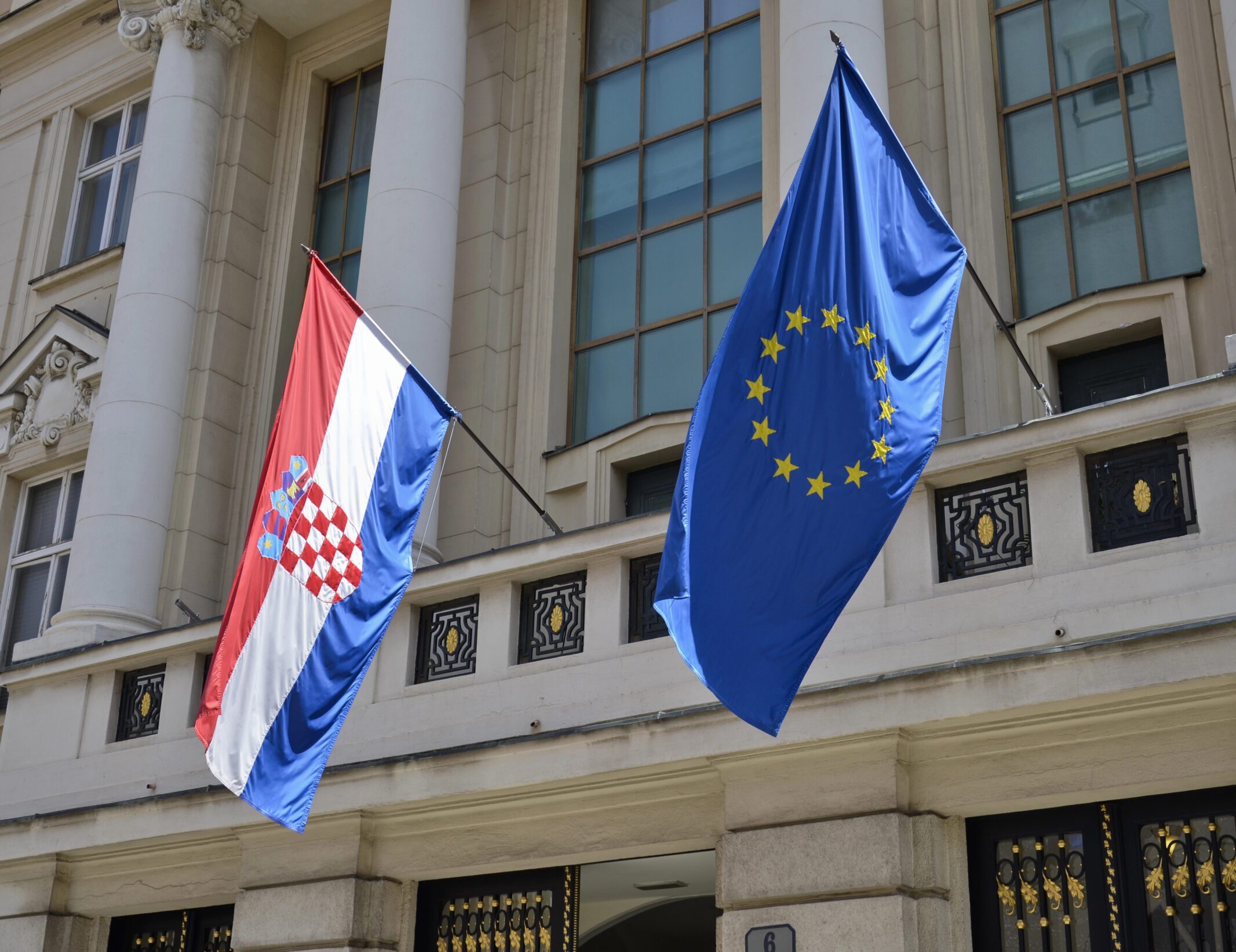
The CFCA acted as the contracting authority, while the project beneficiary was the Ministry of Regional Development and EU Funds, which plays a central role in the management and control of the European Structural and Investment Funds in Croatia. As the competent authority, it also bears strong institutional responsibility for absorption capacity and regulatory compliance across the entire public administration system.

The Challenge:
Strengthening Croatia’s EU funds training system required the coordination of a large number of stakeholders and activities at regional and local level. This called for detailed planning, close monitoring of deadlines, deliverables and risks, and continuous cooperation with a range of regional coordinator institutions.
Several constraints affected project implementation and added to its complexity:
- A limited timeframe for delivering a large number of interdependent activities
- The need for the widest possible coverage of the absorption capacity survey and a sufficient response rate from the target group
- The regulatory complexity of the EU funds environment
Our Approach:
PJR-Civitta managed the project on the basis of a clear time and resource plan, while regular Project Steering Committee meetings provided insight into the beneficiary’s needs and into external factors such as changes in regulations or practice. Risks were actively and continuously monitored throughout implementation.
Our approach was built on four pillars:
- Absorption capacity analysis – assessment of regional and local capacity to prepare and implement EU-funded projects in the 2016–2017 period
- Development of new training programmes – modules for end users and a training of trainers, based on the analysis
- Pilot implementation – testing the redesigned system through on-site training sessions
- Evaluation – assessment of the pilot trainings and refinement of the materials
The project required complex stakeholder coordination, including all regional coordinators, and continuous cooperation throughout the implementation period.
On the delivery side, we analysed the absorption capacity for project preparation and implementation at regional and local level, as well as previous training programmes aimed at strengthening EU funds capacity. Based on these findings, we identified the training needs of regional coordinators and developed training modules and materials, including training-of-trainers modules.
We then delivered 20 pilot training sessions in five county centres and supported the initiative with a brochure, project management and a final project conference.
Key methodologies, frameworks and tools:
- Absorption capacity survey (sample: 488 organisations, 32% of the target population of beneficiaries registered in the system)
- Stakeholder mapping and engagement model
- Project management and risk mitigation planning
- Structured curriculum development framework
Results & Impact:
The 2017 absorption capacity survey covered 488 organisations, or 32% of the target population.
In the pilot phase, 49 trainers from all 21 regional coordinators were trained, 20 pilot training sessions were held in five county centres and 3,000 information materials were distributed to participants.
Beyond its measurable results, the project made a lasting contribution: research-based recommendations for improving the training system and programmes, a modernised training framework and a sustainable regional network of trainers.
Key Takeaways:
The project demonstrates how public administrations can achieve sustainable procurement reform by:
- Combining empirical evidence, practitioner-oriented guidance, hands-on training, international peer learning, process optimisation and digital tools within one coherent intervention, rather than relying on regulation alone.
- Converting survey findings and regulatory requirements into concrete tools that contracting authorities can use in real procedures.
- Going beyond training to address the Ministry’s internal administrative infrastructure, through process and IT expertise.
- Applying a transferable approach to other administrations facing regulatory change or low uptake of quality-based procurement: first quantify behavioural and capacity gaps, then develop practical guidance and training around the identified barriers, benchmark mature systems and digitalise the supporting administrative processes.
- Sustaining the impact over time, by periodically updating the manual with additional good-practice examples, repeating research on MEAT use, and further analysing the long-term value of quality, environmental and other award criteria to support better value-for-money decisions.