Building stronger startups and ecosystem: Challenger Accelerator in Ukraine
Client
Challenger AIThe background:
Over the past five years, Ukraine’s startup ecosystem has grown almost ninefold. Despite the challenges of the full-scale war, Ukrainian technology companies continue to demonstrate resilience and strong growth potential.
In the first quarter of 2025 alone, Ukrainian startups raised a record $450 million in investment, while Ukraine has already produced ten unicorns. These developments highlight the country’s continued potential as a strong environment for building and scaling innovative technology solutions.
Against this backdrop, our clients, ESTDEV and UMAEF, set out to support Ukrainian startups at the MVP stage, a critical point at which access to relevant expertise, international networks and experienced mentors can significantly influence a company’s ability to grow and scale, while also contributing to the development of the wider startup ecosystem.
Challenger AI Accelerator (part of Civitta) is an international, equity-free acceleration programme for Ukrainian startups at the MVP stage. It helps teams refine their products, strengthen their investment readiness, scale their businesses and enter international markets. Before the launch of its fourth cohort, three cohorts had already completed the programme.
In 2025, responding to market developments and the growing need for specialised expertise, the fourth cohort focused on three areas with strong growth potential: AI, HealthTech and EdTech. This sector-specific approach enabled the programme to engage relevant mentors, experts and partners and provide startups with support tailored to the needs and dynamics of each field.


Project implementation:
The project was implemented over 12 months, with nine months dedicated to the core programme activities. This phase covered the development and delivery of the communications campaign, application collection and selection, preparation of the selected teams, the acceleration programme itself, and Demo Day.
The final three months focused on post-acceleration support. Alumni had the opportunity to present their solutions to an international audience at the Latitude59 conference in Tallinn and take part in three ecosystem events designed to expand their professional networks, foster new partnerships and strengthen connections between Ukrainian startups and the international innovation ecosystem.
This comprehensive approach went beyond training and mentoring. Alongside practical knowledge, individual mentorship and expert guidance, participants gained first-hand exposure to the Estonian startup ecosystem, helping them broaden their perspective on business development and international growth. In this way, the programme supported the development of individual companies while also strengthening the international connections of Ukraine’s wider startup ecosystem.
The project was initiated and implemented by Civitta in partnership with Radar Tech.
Promotion campaign and startup outreach:
The first stage of the project focused on building a strong pipeline of high-potential startups. The quality of an acceleration programme largely depends on the quality and diversity of the applicant pool. Therefore, the objective was not only to attract applications, but also to strengthen the visibility of Challenger Accelerator within Ukraine’s startup community.
To achieve this, the team delivered an integrated communications and ecosystem outreach campaign combining digital promotion, partnerships and in-person activities.
Key activities included:
- A multi-channel promo campaign across social media, media outlets and startup communities, using video and visual content, targeted advertising, alumni success stories, and recommendations from mentors and partners.
- Participation in IT Arena, Ukraine’s largest tech conference, to scout promising startups and increase Challenger’s visibility among founders and ecosystem stakeholders.
- Participation in the ReСТАРТ conference in Kyiv to identify potential applicants and strengthen Challenger’s presence within the local startup ecosystem.
- Two dedicated ecosystem events: an offline Startup Roast and an online Q&A session, giving potential applicants an opportunity to learn more about Challenger, its approach and the programme team, and ask practical questions about participation.
- Partnerships with key players in Ukraine’s startup ecosystem, including Headway, Sigma Software Labs and Techosystem, which helped extend the open call’s reach among relevant startup communities.
As a result of the campaign, Challenger received 123 relevant applications from AI, HealthTech and EdTech startups, meeting the initial target of 110–120 applications.


Acceleration programme and Demo Day:
The acceleration programme formed the core stage of the project, moving selected startups from general learning to structured work on the specific challenges facing their businesses. The objective was not simply to provide theoretical knowledge, but to help teams test their assumptions, refine their products and business models, strengthen their investment readiness and define the next steps towards scaling.
The programme combined practical workshops, individual mentoring, and direct engagement with investors and industry experts. This approach enabled each team to focus on its specific needs and apply new knowledge directly to the development of its startup.
Key activities and results included:
- 15 individual goal-setting meetings, during which startups defined their objectives for the three-month programme across three areas: business, technology and investment.
- 21 mentors engaged throughout the programme, including 8 business mentors, 3 technical mentors and 10 investment mentors.
- 17 online training sessions covering key aspects of startup development and growth.
- 25 individual sessions dedicated to improving pitch decks and pitching skills.
- 3 Startup Roast sessions: one offline and two online, providing teams with additional opportunities to present their solutions and receive feedback.
- 2 individual check-ups with each startup to assess progress towards their goals and identify areas where additional support was needed.
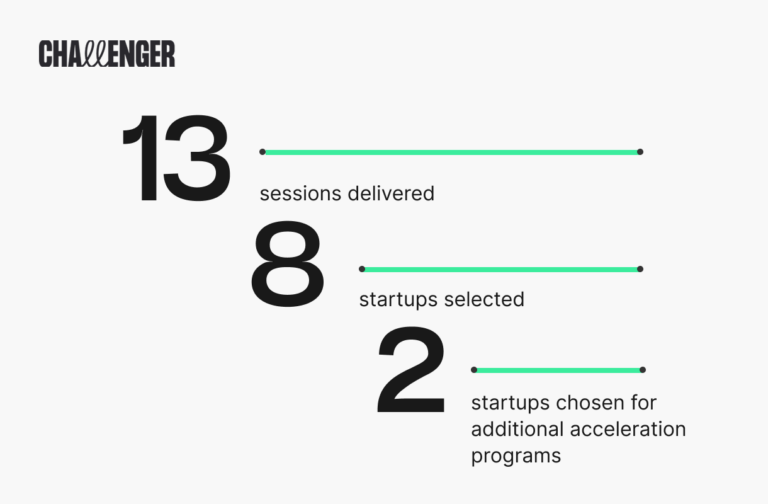
The programme culminated in Challenger Demo Day, where 13 startups presented their solutions: 11 pitched in person and two joined online. The participating teams were Mailerr, Moviso, Neomi, SoftWay, Intelswift, Seeklab.ai, SoftTrainer, Pravozno, Robocode XR, AtriaPRM, Vetlyx, Mindship and Eated.
Based on the decisions of the jury, programme partners and the Challenger team, participants received a range of awards and further development opportunities:
- 6 startups, Vetlyx, AtriaPRM, SoftWay, Eated, SoftTrainer and Mindship, received tickets to the Latitude59 conference.
- 3 startups, AtriaPRM, Pravozno and Neomi, received $25,000 in AWS credits from Ukrainian Startup Fund each.
- Neomi received fundraising support from Tinydata.
- Neomi and Mindship received tickets at the IT Arena – tech conference in Lviv.
- Neomi received the programme’s main prize of $25,000 from UMAEF.
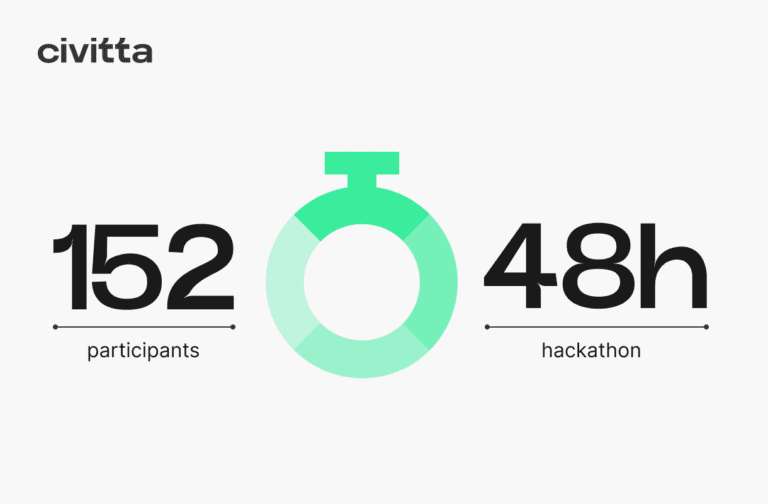
Demo Day brought together more than 80 participants in person and 111 online viewers, providing the startups with an opportunity to present their solutions to a broader audience.
Visibility for the participating teams extended beyond the event itself. Media partner Vector published four interviews with programme participants, while media ain.ua prepared a detailed article about Challenger Demo Day and the startups’ results.
In total, 13 startups successfully completed Challenger Accelerator and joined the programme’s alumni community.


Post-acceleration support:
Support for participating startups continued beyond Demo Day. The post-acceleration stage was designed to provide alumni with further opportunities to expand their networks, connect with international and local ecosystem players, and remain engaged in the wider startup community.
Alongside direct support for programme alumni, this stage also focused on strengthening connections across Ukraine’s startup ecosystem.
Key activities included:
- Following Challenger Demo Day, a study and networking visit to Latitude59 in Tallinn was organised for five startups selected by the jury. Four of the participating teams pitched their solutions at the Challenger side event, “Markets on the Rise: Ukraine x Africa Challenger Showcase”, alongside startups from the African Challenger cohort. This provided Ukrainian founders with an opportunity to present their solutions to an international audience and connect with another emerging startup ecosystem.
- In June, Challenger joined forces with the Empowering Accelerators in Ukraine project to organise a discussion on how to build effective partnerships within the startup ecosystem. The event brought together startups, SMEs and ecosystem representatives, with speakers from the Ukrainian Startup Fund, YEP, SET University, Startup Kitchen, and others.
- In July, Challenger partnered with SET University to organise an ecosystem event for HealthTech startups. The discussion brought together representatives of the sector to explore key challenges facing Ukrainian HealthTech and discuss potential solutions and opportunities for stronger collaboration.
- In August, the programme organised Startup Burger, an informal ecosystem event built around a conversation between two founders on what it takes to build an AI startup at different stages of development. The format created space for practical founder-to-founder insights, open discussion and networking within the startup community.
Together, these activities extended the programme beyond the formal acceleration period, creating additional opportunities for alumni while also supporting knowledge exchange, new connections and collaboration across the wider startup ecosystem.

Key takeaways:
- Early-stage startups need more than funding. Access to relevant expertise, individual mentorship, investor feedback and international networks can be equally important for turning an MVP into a scalable business.
- Startup support works best as a continuous journey. Combining acceleration with post-programme opportunities helps teams stay connected to investors, partners and the wider ecosystem beyond Demo Day.
- Strong startup ecosystems are built through collaboration. Bringing together startups, investors, mentors, corporates, universities and ecosystem organisations creates connections that individual support programmes alone cannot provide.
- International exposure matters. Connecting Ukrainian founders with other startup ecosystems gives teams access to new perspectives, networks and potential opportunities beyond the domestic market.
- Supporting individual startups and strengthening the ecosystem should go hand in hand. Acceleration programmes can serve not only as a growth tool for selected companies, but also as a platform for knowledge exchange, new partnerships and stronger connections across the startup community.