Confluence – Deep Tech Pre-Acceleration Programme
Client
LIAA – Latvijas Investīciju un attīstības aģentūra (Investment and Development Agency of Latvia)Client Overview:
LIAA is Latvia’s principal agency for fostering innovation and competitiveness. It co-financed the Confluence programme through European Innovation Council (EIC) funds with the aim of supporting Latvia’s most promising deep-tech and science-intensive startups in crossing the valley of death between laboratory research and market-ready products.

The Challenge:
Deep-tech and science-intensive startups in Latvia face a specific structural gap; while they produce highly advanced research, the journey from a laboratory prototype to a commercially validated product is long, capital-intensive and uncertain.
Most early-stage teams lack the business acumen, industry connections and corporate testing environments to advance their Technology Readiness Level (TRL) effectively.
LIAA needed a pre-acceleration programme that went beyond traditional mentoring – one that provided structured corporate partnerships, financial support for prototype development, and high-visibility Demo Days that would place Latvian deep-tech startups in front of serious investors.
Our Approach:
Helve team (part of the Civitta Group since March 2026) designed and delivered Confluence as a 12-week intensive pre-acceleration programme, delivered in two cohorts during 2025:
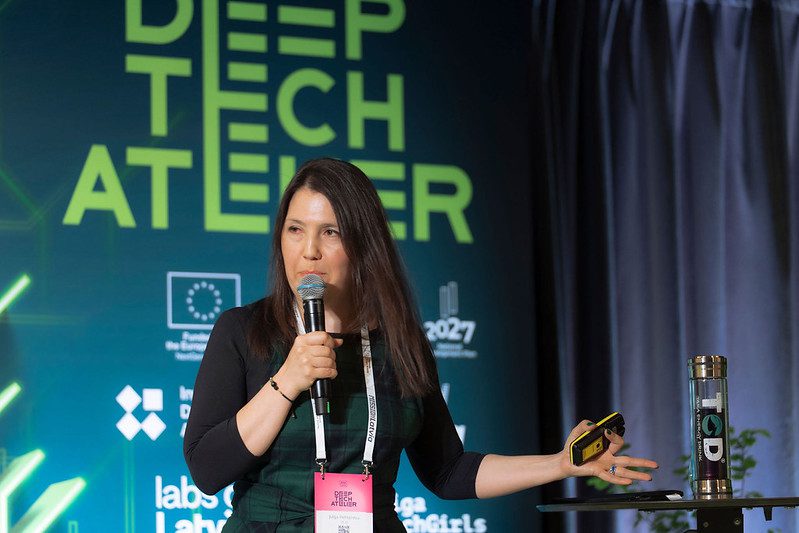
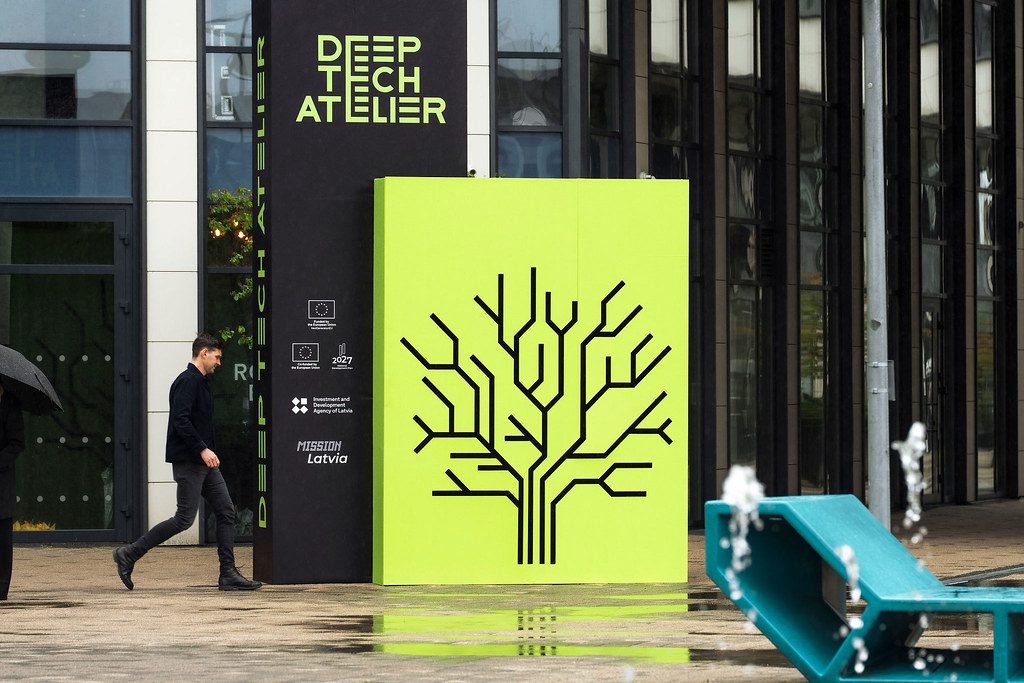
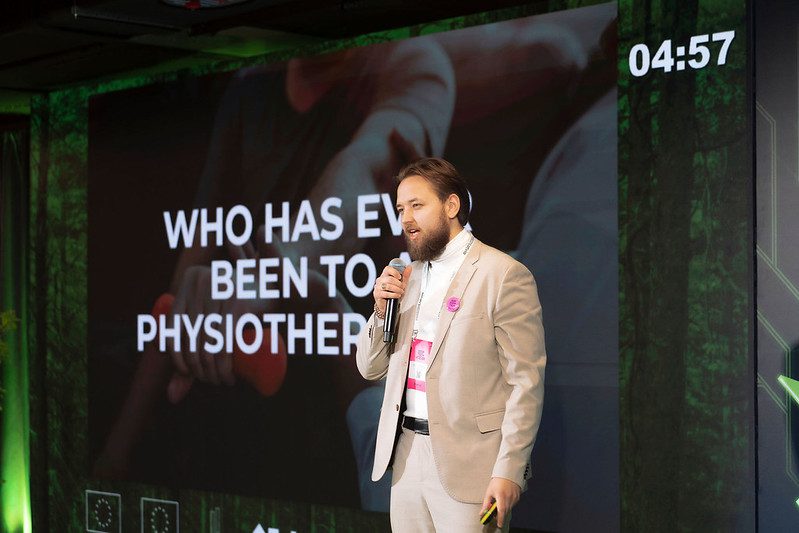
- Batch 1 (Spring 2025, March-May): 10 startups; Demo Day held at the Deep Tech Atelier conference.
- Batch 2 (Autumn 2025, September-November): 10 startups; Demo Day held at the Techritory conference.
The programme was structured around four acceleration phases: Explore → Build → Test → Refine. Each week included ‘PPP’ (Progress, Problems, Plans) group sessions to maintain momentum and surface blockers early.
Each participating startup received:
- €5,000 in prototype development funding.
- A minimum of 6 sessions with lead mentors from Baltic Sandbox and BSV Ventures.
- A minimum of 12 individual sessions with domain mentors.
- A dedicated Proof of Concept (PoC) partnership with an established industry player to conduct real-world validation.
Industry PoC partners included LMT (Latvia’s largest telecoms operator), Latvenergo (national energy utility), KOHSEL, Riga Free Port, and Rīgas Siltums, ensuring startups tested their solutions in genuine operational environments.
Results & Impact:
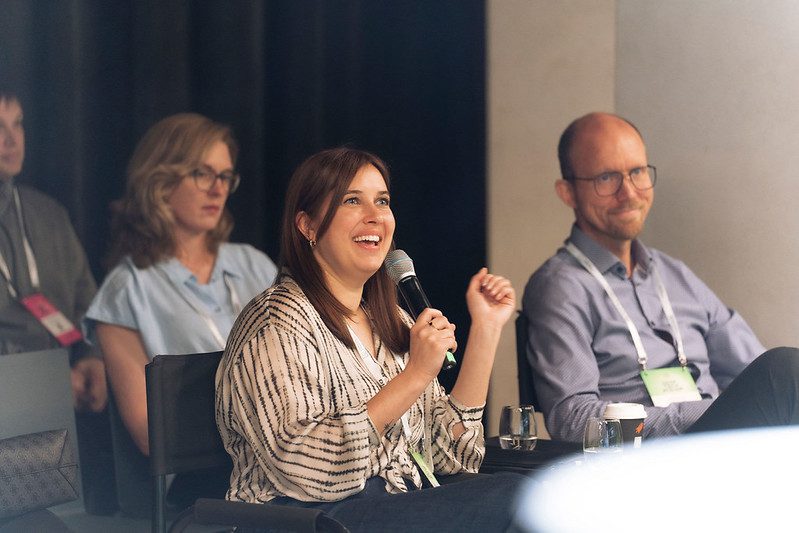
There were a total of 20 deep-tech startups graduates across two cohorts. €5,000 per startup (€100,000 total prototype funding) of financial support delivered with Demo Day reaching 500+ investors and industry experts across both events.
Selected portfolio outcomes from Batch 2:
- Adventum Tech: Launched a long-term structural monitoring pilot for wind park foundations with Latvenergo; secured €250,000 in external funding.
- Speenrgy: Advanced to pilot project negotiations with Volkswagen Group for 2026 implementation.
- PrintyMed: Developed a functional spider-silk glove prototype and initiated a collaboration with Chanel.
- Sharpen AI: Established a strategic pilot partnership with LMT.
- AtlasRay (NavHome): Improved AI precision for mine detection; conducted research with LMT and Riga Free Port.
The programme successfully achieved its core KPI with more than 50% of participating startups advanced their Technology Readiness Level by at least one point during the 12-week programme.
Key Takeaways:
- Corporate PoC partnerships are the single most valuable element of a pre-acceleration programme – real testing environments accelerate TRL advancement far faster than mentoring alone.
- Structured weekly accountability (PPP sessions) significantly reduces dropout risk and keeps early-stage teams focused under commercial pressure.
- Placing Demo Days inside major sector conferences (Deep Tech Atelier, Techritory) dramatically increases investor quality and media coverage compared to standalone events.
- The Confluence model is scalable: the 12-week format and PoC partner network can be replicated for other deep-tech verticals across the Baltic region.