ECOFUNC: Turning CO₂-Based Bio-Materials into Circular Construction Products
instituteClient
ECOFUNC consortium, coordinated by VTT Technical Research Centre of Finland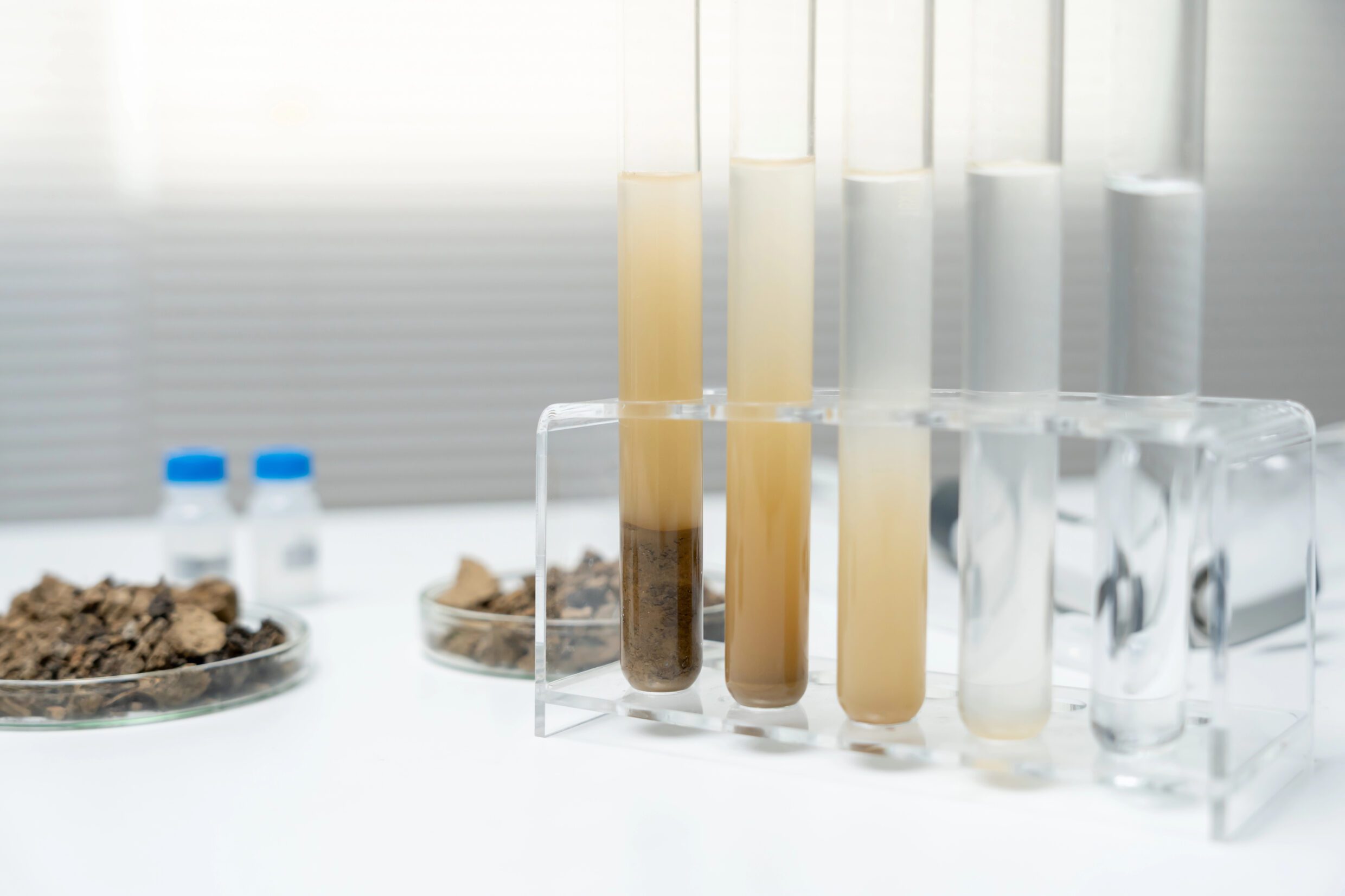
Client Overview:
VTT Technical Research Centre of Finland, one of Europe’s leading research and technology organisations, is the coordinator of ECOFUNC – Eco-Friendly Circular and Functional Building Materials for Sustainable Construction.
The project brings together 17 European research, industrial and technology organisations from 10 countries, including Acciona, Fraunhofer, Tecnalia, University of Birmingham, Centro Ricerche Fiat, Centexbel and several specialised SMEs. VTT coordinates the consortium, while Civitta Foundation is one of the project partners.
The ambition was to move beyond laboratory-scale bio-based materials and establish viable European value chains for high-performance, circular construction products.
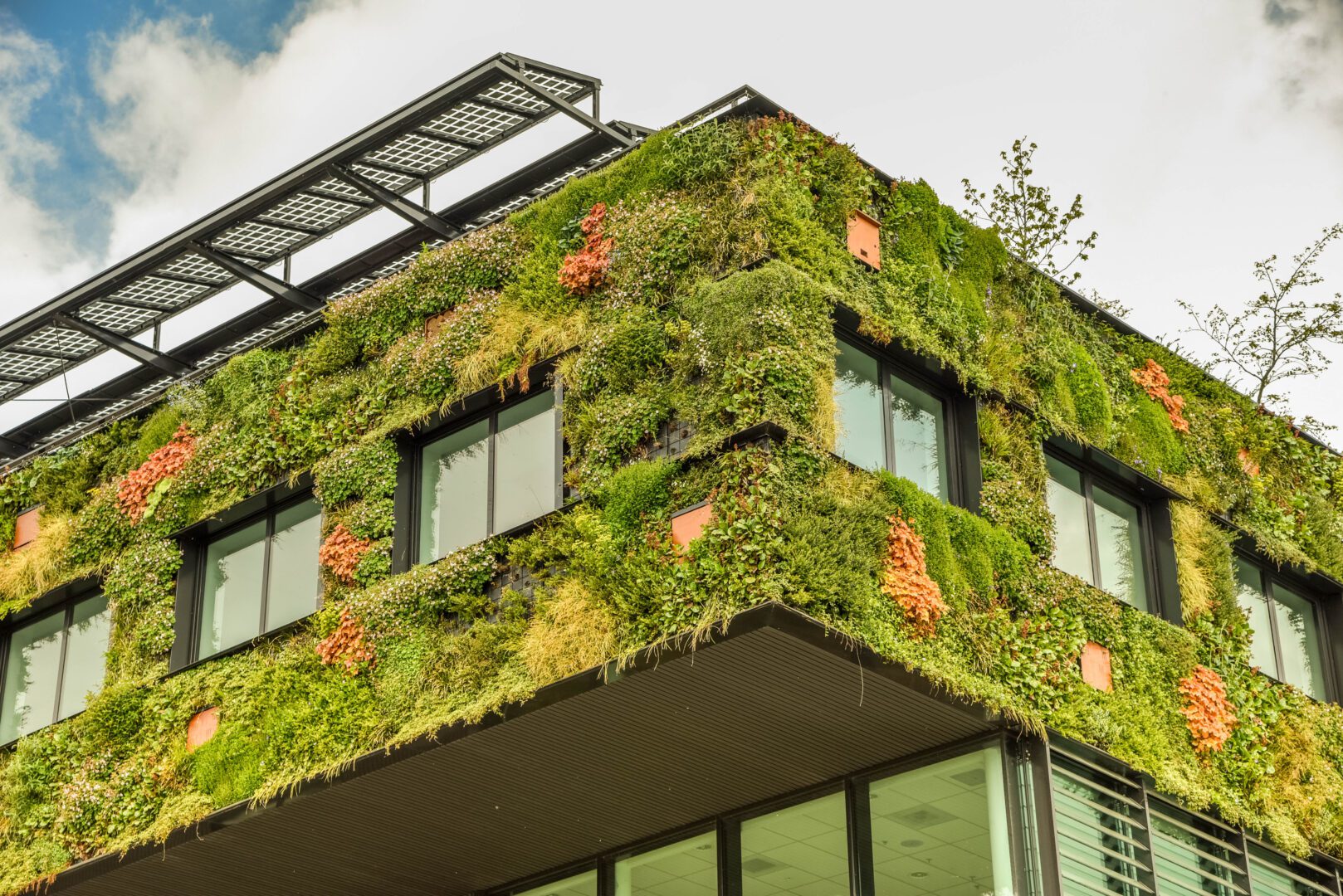
ECOFUNC focuses on polyhydroxyalkanoates (PHAs) produced by microorganisms using CO₂ as feedstock and seeks to transform them into recyclable panels for ventilated façades, suspended ceilings and internal partition walls, with potential applications also in automotive and furniture.
The project was developed under the Circular Bio-based Europe Joint Undertaking (CBE JU), Horizon Europe call HORIZON-JU-CBE-2024-IA-04 – Circular and SSbD bio-based construction & building materials with functional properties. The €8.52 million project received €7.15 million in EU funding and runs from June 2025 to May 2029.
The Challenge:
Turning a promising bio-based material technology into a credible, scalable and commercially relevant European innovation required the consortium to address several interconnected challenges:
- Connecting advanced PHA research with real construction applications, ensuring that novel materials could deliver the mechanical, safety, durability and manufacturing performance expected from construction products.
- Building an integrated circular value chain, connecting CO₂-based PHA production, fibres and additives, panel manufacturing, construction applications and end-of-life recycling rather than treating individual technologies in isolation.
- Demonstrating sustainability and economic viability going beyond technical performance to assess environmental impacts, life-cycle costs, techno-economic feasibility and socio-economic effects.
- Creating a credible pathway to market linking laboratory and pilot developments with full-scale demonstrations, industrial users and future applications in construction, automotive and furniture.
Our Approach:
Civitta was assigned to combine sustainability assessment, economic analysis and business modelling to ensure that ECOFUNC’s technological developments were connected to measurable environmental performance, commercial feasibility and pathways to market.
- Agreed to lead the integration of life-cycle thinking into the project, covering Life Cycle Assessment (LCA), Life Cycle Costing (LCC), techno-economic analysis and socio-economic analysis.
- Developing the sustainability and economic assessment framework needed to compare the emerging PHA-based solutions with conventional materials and identify the conditions required for competitive deployment.
- Integrates circularity considerations into the project logic, connecting material design and production with mechanical and chemical recycling and subsequent applications in furniture and automotive sectors.
- Assesses the wider socio-economic implications of the emerging value chains, including impacts across stakeholders such as workers, suppliers, architects, communities and recyclers.
- Supports the development of business models and exploitation pathways, translating technical results into commercially relevant value propositions and routes towards market adoption.
- Works across the multidisciplinary consortium to connect technical development with environmental, economic and market considerations, helping ensure that sustainability was embedded in innovation and scale-up decisions rather than treated as an end-of-project assessment.
Results & Impact:
ECOFUNC was successfully funded under Horizon Europe and officially launched on 1 June 2025, with a total budget of €8.52 million and €7.15 million in EU funding. The 48-month project is now developing PHA-based construction materials and panels, scaling the most promising technologies towards industrial production and validating them in real-world applications.
The project is targeting materials with at least 85% bio-based or recyclable content, a global warming potential below 0.5 kg CO₂-eq/m² for targeted solutions and life-cycle cost reductions of up to 20%. It is developing 11 technologies and 10 value chains, while testing mechanical and chemical recycling routes and exploring applications beyond construction.
At a broader level, ECOFUNC aims to demonstrate that bio-based materials can move from promising laboratory technologies to scalable European industrial value chains. Its combination of technical development, real-world demonstration, sustainability assessment, circularity and business modelling provides a model for accelerating the adoption of safer, lower-impact materials in construction and related industries.
Key Takeaways:
The ECOFUNC case demonstrates that successful European R&I projects increasingly require more than strong technological innovation. To become investment- and market-ready, complex technologies need to be assessed simultaneously through environmental, economic, social and commercial lenses.
Embedding these perspectives into the project architecture from the beginning makes sustainability and business viability part of innovation development rather than a final validation exercise.
It also demonstrates the value of bridging disciplines within large international consortia. Civitta’s role connects technical R&I with LCA, economic modelling, socio-economic assessment and business development, helping partners translate complex scientific advances into evidence-based pathways for industrial uptake and market deployment.