Kyrgyzstan soy market analysis
Client
American Soybean AssociationClient Overview:
The assignment was commissioned by the American Soybean Association / World Initiative for Soy in Human Health (ASA/WISHH) with funding support through the U.S. Department of Agriculture’s Regional Agricultural Promotion Program (RAPP). J.E. Austin Associates (JAA), since 2025 part of Civitta, conducted the assessment, providing the basis for export promotion strategies, private sector outreach, and policy engagement around U.S. soy in Central Asian markets.
The Challenge:
Kyrgyzstan’s livestock, feed, and food processing industries rely on protein inputs, yet U.S. soy, a competitive and high-quality option, had limited market penetration.
Key obstacles included:
- Commercial, policy, and logistical constraints limiting the growth of soy imports and processing
- Phytosanitary and GMO-related trade regulations creating barriers to U.S. soy entry
- Underdeveloped regional import pathways and logistical infrastructure
- Limited awareness among Kyrgyz market actors of U.S. soy’s competitiveness vs. regional alternatives
- Predominance of traditional grazing-based livestock systems with limited adoption of modern compound feed
Our Approach:
Our team designed and implemented a full market diagnostic, combining primary fieldwork with secondary research.
- Primary research
36 stakeholder interviews and site visits with feed mills, livestock farms, processors, and traders to capture demand trends, buyer behavior, and investment constraints.
- Regulatory and trade analysis
Assessment of phytosanitary and GMO-related trade regulations, regional import pathways, and logistical infrastructure including rail, road, and containerized transport options.
- Benchmarking
International benchmarks and analog cases used to triangulate findings and identify competitiveness gaps between U.S. soy and regional alternatives.

Results & Impact:
Final deliverables provided ASA and their members with practical strategies to expand into a new and growing market, provide Kyrgyz agribusinesses with high quality inputs, and develop mutually beneficial business partnerships.
Specific outputs included:
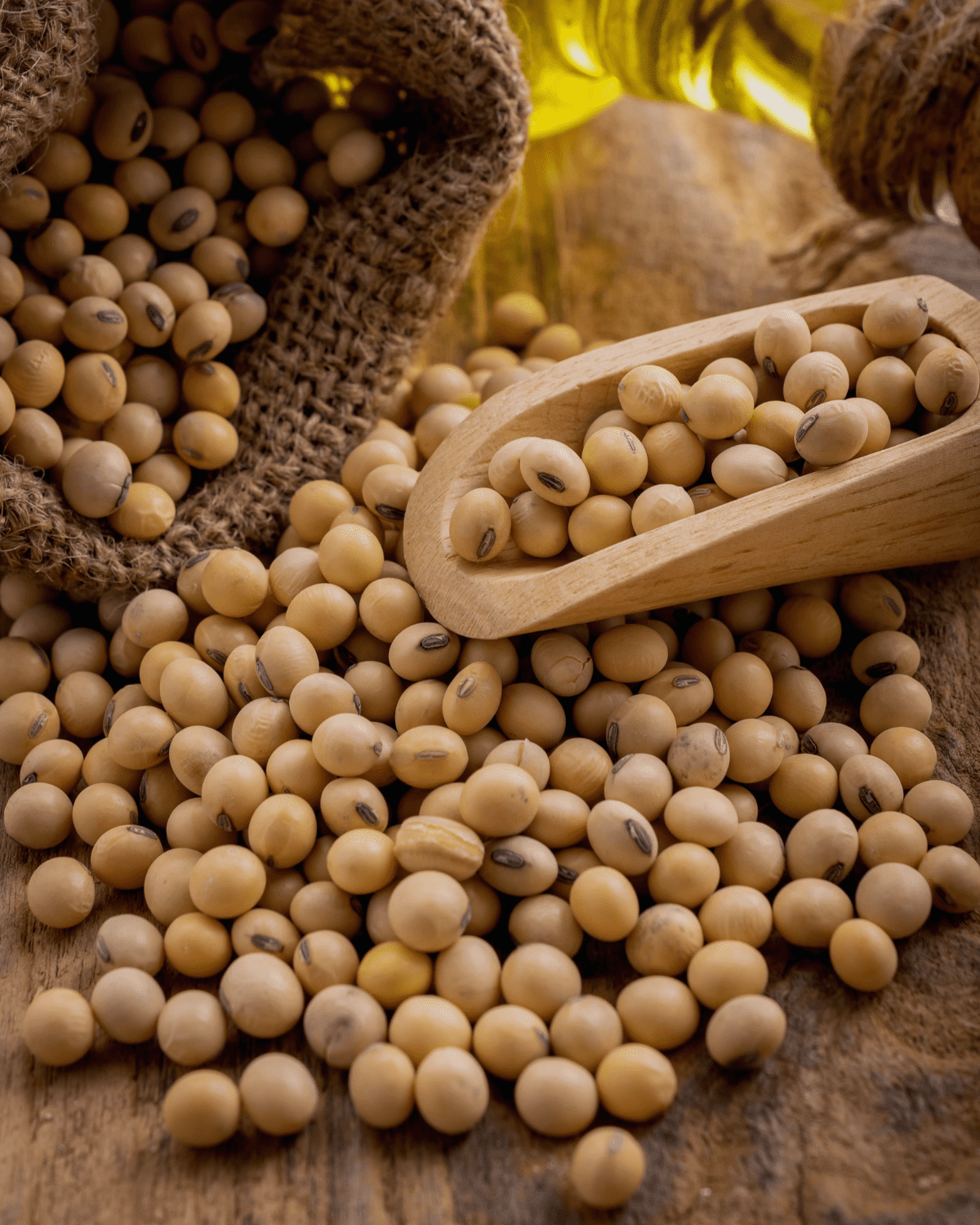
- Comprehensive analysis of Kyrgyzstan’s market for soybeans, soybean meal, and soy products
- Assessment of potential shipping routes, logistics infrastructure and capacity, and implications for cost competitiveness
- Identification of private sector opportunities and interested buyers
- Actionable roadmap for market entry and expansion including pilot shipments and market readiness initiatives
Key Takeaways:
1. Front-load the diagnostics: A rigorous market diagnostic combining primary interviews, regulatory analysis, and logistical mapping enabled highly targeted recommendations, rather than generic market entry advice.
2. Demand alone is not enough: Strong demand for soy in feed, livestock, and food sectors creates opportunities, but realizing those requires a nuanced understanding of regulations, logistics economics, and market positioning.
3. The real comparison is total value, not unit cost: Higher-cost products can offer buyers the best value when quality, consistency, reliability, and logistics are considered together. Making that total value clear to customers is critical to product competitiveness.
4. Market transitions create opportunity: Commercialization and productivity pressures create demand for higher-quality inputs, opening space for new suppliers that can deliver clear value to producers.