PRIMARY: Turning Underused Agricultural Feedstock into New Rural Business Models
instituteClient
PRIMARY consortium, coordinated by VTT Technical Research Centre of Finland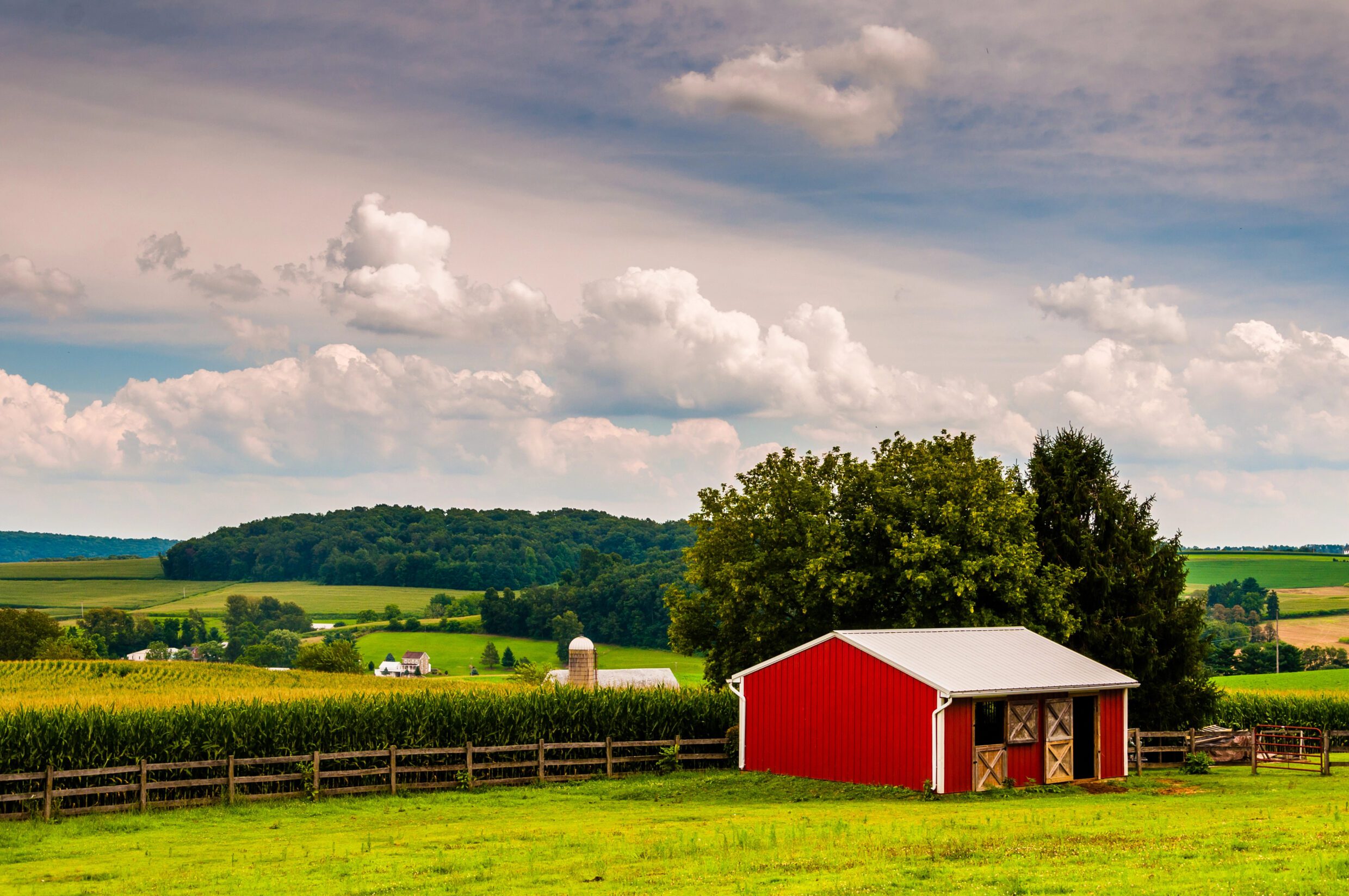
Client Overview:
PRIMARY is a 12-partner Horizon Europe consortium coordinated by VTT Technical Research Centre of Finland, bringing together research organisations, farmer cooperatives, energy communities, and food and material producers across Finland, Greece, and Estonia. Civitta is a project partner, leading the project’s communication, dissemination and exploitation work and contributing to its sustainability assessment.
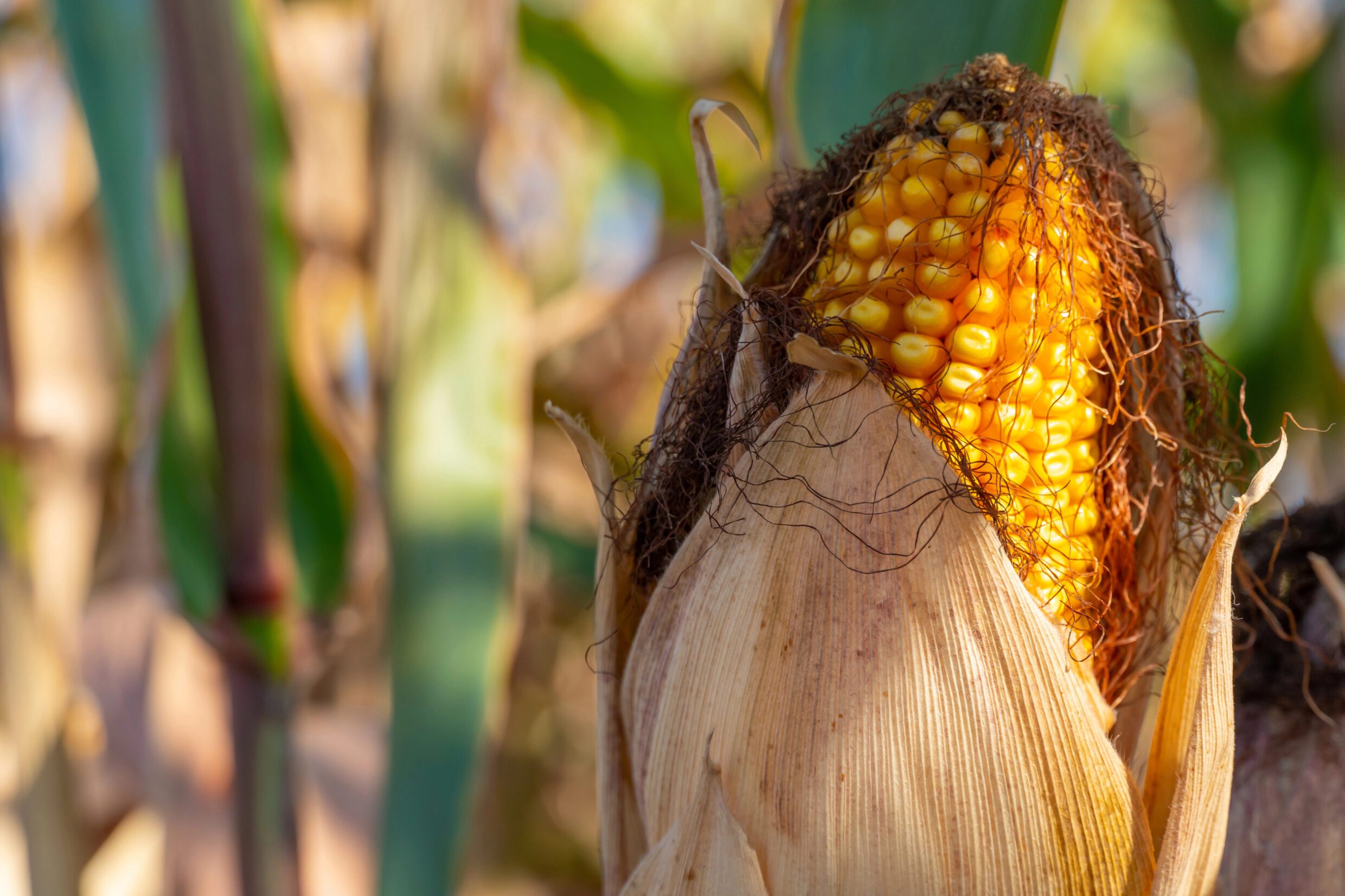
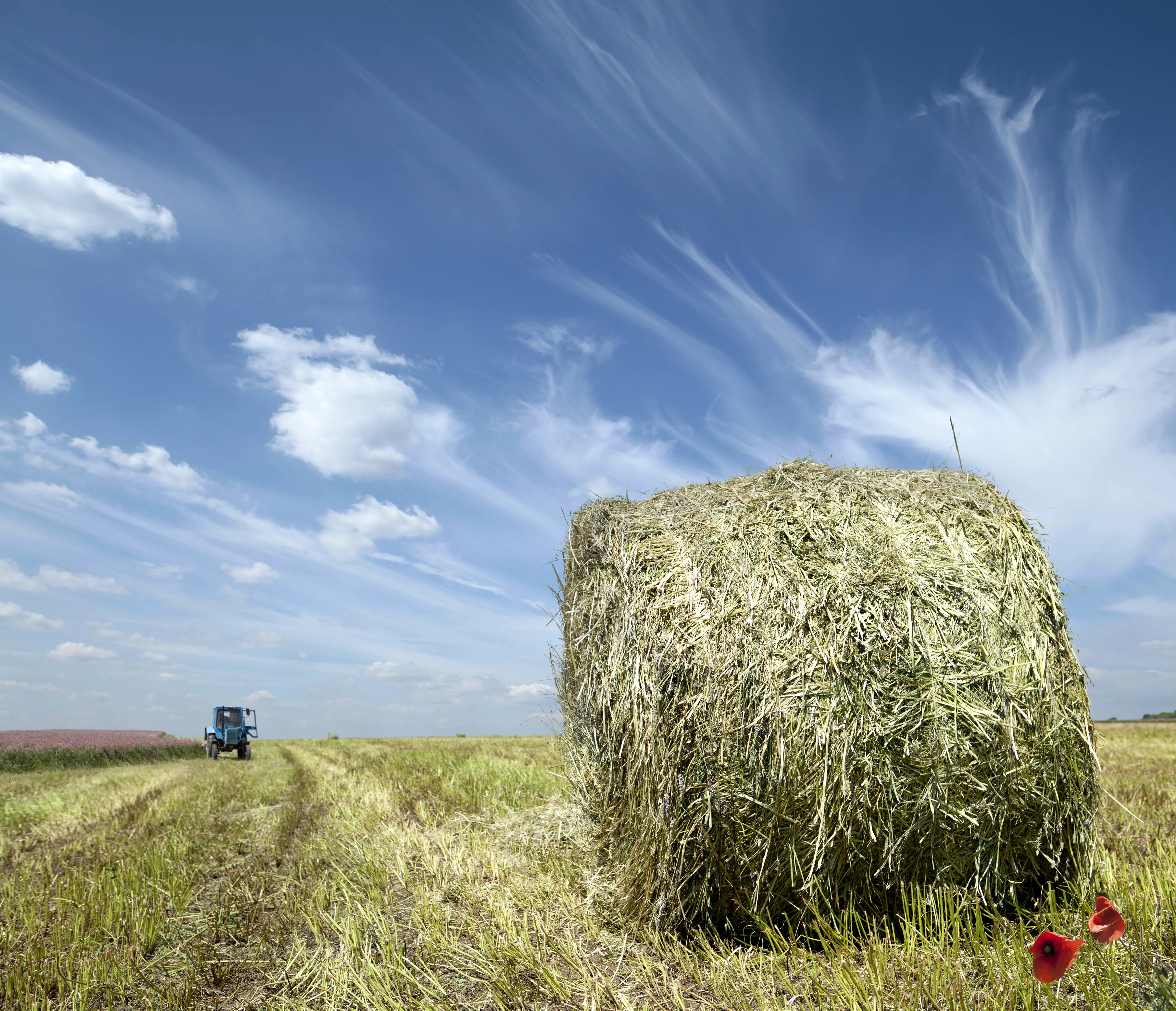
The project’s ambition is to give farmers and rural cooperatives new, local ways to turn underused agricultural biomass, including grass, greenhouse and cotton by-products, and olive tree pruning, into food, feed, bio-based materials, bioenergy, and fertilisers.
PRIMARY pilots six different processing routes in rural areas of Finland and Greece, regions where pilot and demonstration plants for this kind of work are still rare. The project runs under Horizon Europe call HORIZON-CL6-2024-CIRCBIO-02, with a total budget of €5.26 million and an EU contribution of close to €5 million.
The Challenge:
Turning underused farm residues into viable new products and business models meant tackling several interconnected obstacles at once:
- Selecting the right combination of feedstocks, processes and end products from six very different pilot routes, ranging from protein extraction and fermentation to fibre forming, pelletising and pyrolysis.
- Assessing not just the environmental case for these new value chains, but also their social and economic implications for the farmers, cooperatives and rural communities involved.
- Making the results usable well beyond the two pilot countries, by building a communication and exploitation approach capable of reaching farmers, SMEs, researchers and policymakers alike.
- Proving genuine external demand for the project’s approach, not just internal consortium enthusiasm, early enough to justify continued investment in exploitation.
Our Approach:
Civitta leads PRIMARY’s communication, dissemination and exploitation work, and contributes to the project’s sustainability assessment.
- Leads PRIMARY’s communication and dissemination strategy, reaching farmers, SMEs, researchers and EU-level policymakers across Europe, so the project’s solutions get put to use, not filed away once the funding ends.
- Built PRIMARY’s visual identity and public-facing channels, including its website, blog, LinkedIn and newsletter, giving the project a consistent, professional presence from day one.
- Produces PRIMARY’s ongoing content, blog posts, social media, newsletters, and represents the project at conferences and industry events, keeping momentum and visibility going between major milestones.
- Leads PRIMARY’s exploitation strategy and intellectual property management as the project’s designated IP and Exploitation Manager, responsible for how promising business models and technical results are protected and carried toward commercial use.
- Contributes to the socio-economic dimension of PRIMARY’s sustainability assessment to define the social indicators and data-collection approach used to evaluate how the project’s new value chains affect farmers, workers and rural communities.
- Coordinates PRIMARY’s engagement with related Horizon Europe projects and EU bioeconomy initiatives, aligning shared policy outreach across multiple consortia rather than treating dissemination as a project-by-project effort.
Results & Impact:
In its first phase, the project has moved from planning into pilot-scale production: in Greece, around 14 tonnes of cotton-stalk pellets have been produced and fully characterised for fuel quality, while olive-pruning collection and chipping have been completed for the Crete pilot, with both feedstocks now moving toward thermochemical conversion and biochar production.
In parallel, field trials and feedstock stabilisation work are underway across the project’s grass, greenhouse, cotton and olive-residue value chains in Finland and Greece.
The project is working towards six fully piloted production processes, four business model blueprints, and ten new product concepts spanning food, feed, packaging, construction materials, bioenergy and fertilisers, each assessed for its environmental, economic and social performance.
The broader significance is a shift in how rural biomass is treated across Europe: residues currently left in the field or discarded, cotton stalks, olive prunings, grass, greenhouse waste, become the basis for new local business models, supporting farmer incomes and rural employment while reducing the environmental burden of underused agricultural waste.
Key Takeaways:
PRIMARY demonstrates that rural bioeconomy innovation only creates real value when a promising process is matched by genuine local demand. A new way to process grass or olive residue only matters if farmers can adopt it at their scale, if it fits the economics of a rural cooperative, and if there is a real audience ready to use the results once piloting ends.
Building that audience and that route to adoption alongside the technical work, rather than after it, is what determines whether a pilot becomes a lasting business model.
The project also demonstrates our team’s ability to turn technical progress into external demand. By combining exploitation strategy, IP management and targeted communication with early input into the project’s sustainability assessment, we help research consortia move from “does the process work?” towards the more commercially relevant question of “who will actually use this, and under what conditions will they adopt it?”
PRIMARY’s Open Innovation Call closed with nearly five times more applicants than expected, real, early proof that farmers and organisations outside the consortium want to use what the project is building.