Reconstruction of Hotel Kalnik in Croatia
Client
RADNIK Construction and Construction Industry d.d.Client Overview:
RADNIK Construction and Construction Industry d.d. is a large enterprise operating in Croatia, primarily in the real estate and construction sector. At the time of the project, the company ranked 8th by revenue among more than 19,000 registered companies in the sector, placing it among the leading players in Croatian construction.
The Challenge:
Hotel Kalnik, located in Križevci – northern Croatia, was built in the 1970s by RADNIK Construction and Construction Industry d.d. and had become outdated and partially non-functional. Križevci is classified as a Category 3 (less-developed) tourist area and had no existing hotel accommodation offer, leaving a significant gap in the local tourism sector.
Between 2017 and 2021, tourist arrivals and overnight stays in Križevci steadily declined. Accommodation quality was identified as the main barrier to tourism development in the area, and without intervention, this downward trend was expected to continue.
The renovation project also faced several constraints that added complexity to its implementation:
- The hotel’s location within a protected cultural-historical zone of Križevci, requiring reconstruction to align with heritage protection requirements
- Mandatory compliance with energy efficiency standards
- Adherence to EU funding compliance and procurement procedures
- A tight implementation timeline
These factors meant that transforming Hotel Kalnik required not only addressing outdated infrastructure, but doing so within a demanding regulatory, environmental, and time-sensitive framework.
Our Approach:
We prepared the complete grant application from start to finish, and developed the financial model and investment structuring to support it. We also handled cost eligibility assessments and ensured the budget was fully aligned with grant requirements.
PJR (since 2026 part of Civitta group)‘s approach centred on three pillars:
- Green Transition – ensuring the reconstruction aligned with sustainability and energy efficiency requirements
- Grant compliance – aligning reconstruction works with the specific requirements of the funding grant
- Time and scope management – carefully managing the project’s timeline and scope to meet the tight implementation period.
Key methodologies, frameworks, and tools used:
- Financial feasibility modelling
- Risk mitigation framework
- EU grant compliance structuring
- Market positioning analysis
- Project and contract management framework
- Procurement planning and implementation
- Financial monitoring and grant reporting
On the delivery side, we established the project management framework and provided comprehensive support throughout project implementation, reporting and change management. Our role included the preparation and management of minor and major project amendments, including changes to the project budget, activities, implementation arrangements and other contractual elements required during delivery.
We also supported the project through the preparation and implementation of procurement procedures, covering key project components such as construction, finishing and installation works, professional construction supervision, hotel equipment, and digitalisation equipment.
This included preparation of procurement documentation, support throughout the procurement process and ensuring that procurement activities remained compliant with the applicable grant and project requirements.
Throughout implementation, we managed the project’s financial and substantive reporting through the eFondovi system, monitored project expenditure and supporting documentation, and prepared requests for reimbursement of funds.
This included linking incurred costs with approved budget items and project activities, monitoring their eligibility, preparing the required supporting documentation and incorporating relevant project changes into subsequent reporting periods.
In total, the project was valued at €10.38 million, with €4.93 million contracted in EU grant funding.
Results & Impact:
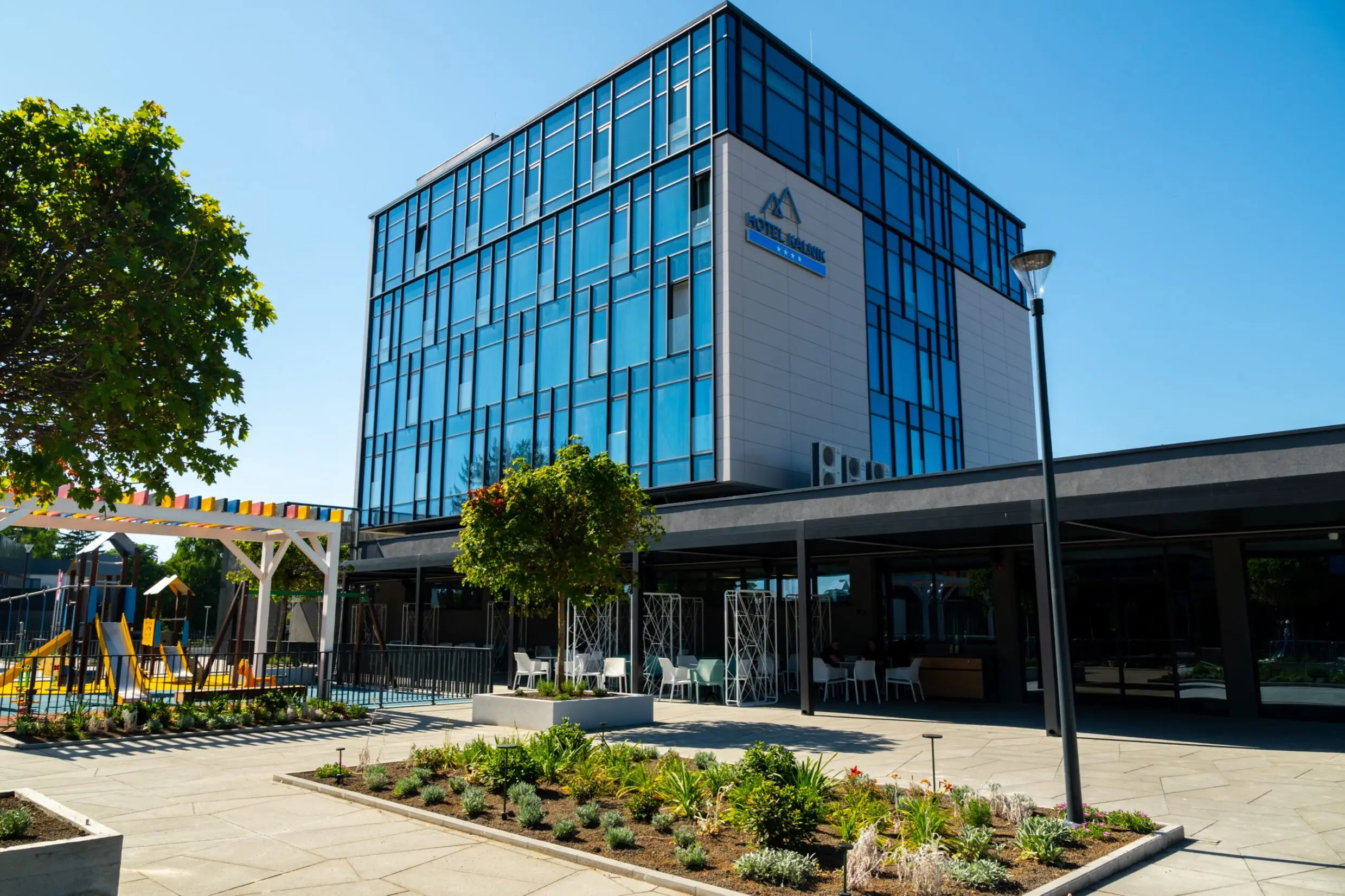
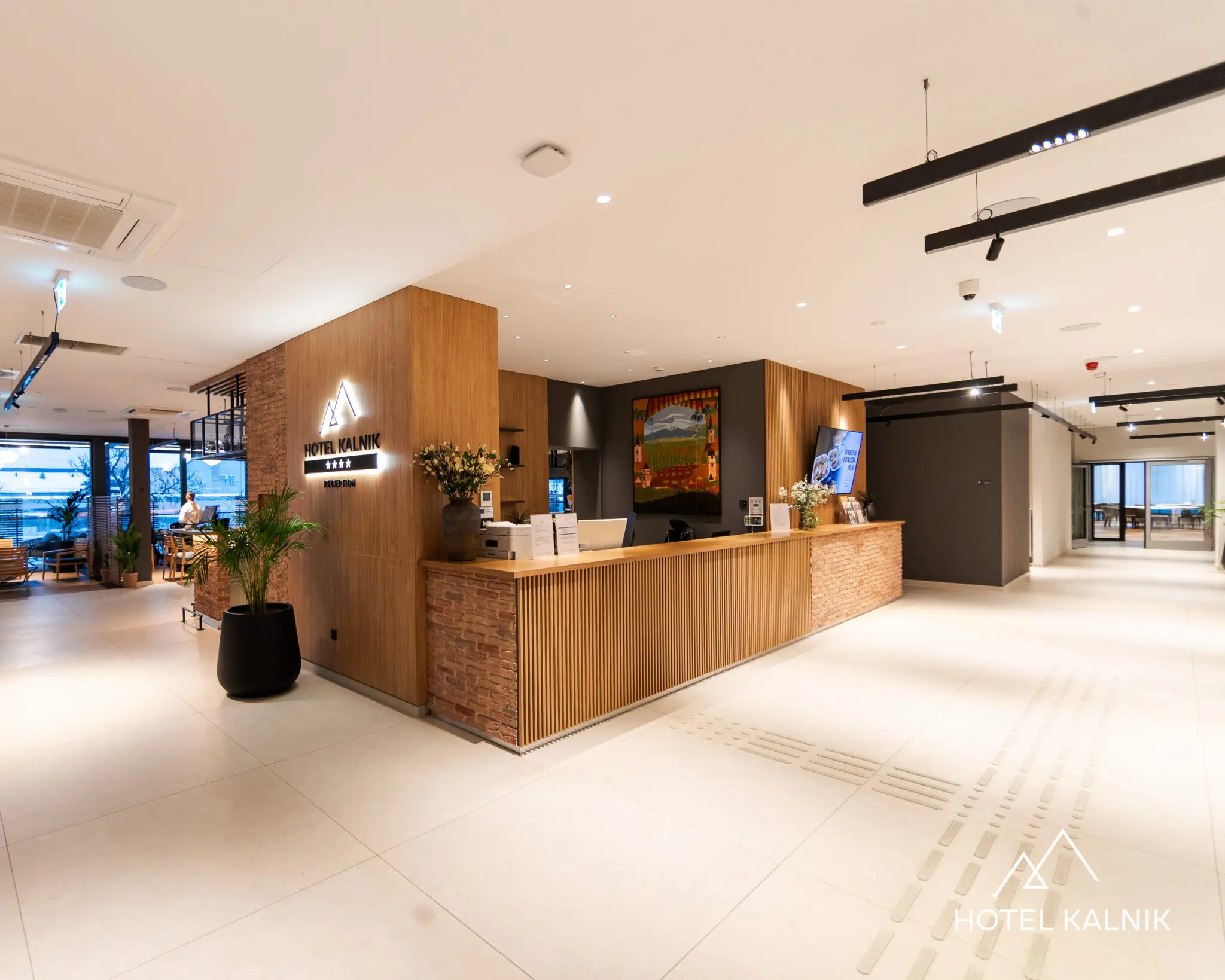
The project delivered a full reconstruction of the building, alongside the addition of a new underground garage. A wellness and fitness area was introduced to broaden the hotel’s amenities, while conference and event facilities were established at the penthouse level to support business tourism. The property’s terrace was also expanded, and smart building systems were integrated throughout to modernize its operations.
The project transformed the property into a high-value urban boutique hotel, strengthening the region’s competitiveness as a tourism destination. It diversified the hotel’s offer to include wellness, events, gastronomy, and business tourism, making it significantly more attractive for corporate events originating from Zagreb. The investment also contributed to enhancing the local social infrastructure of Križevci more broadly.
Over the long term, the project is expected to stabilize and reverse the tourism decline Križevci had experienced in prior years. It establishes a sustainable, low-carbon tourism model for the property and enables year-round revenue generation, replacing the seasonal patterns typical of the region. Together, these outcomes give the client a strong ESG positioning going forward.
Successful delivery of the investment required continuous project and contract management throughout implementation. PJR supported the client in managing project changes, including the preparation of minor and major amendments, adjustments to the project budget and the alignment of implementation activities with the approved grant framework.
PJR also supported the financial and administrative delivery of the project through continuous reporting in the eFondovi system and the preparation of requests for reimbursement of funds.
This included monitoring expenditure against the approved project budget, documenting eligible costs, preparing the required supporting documentation and ensuring that project changes were appropriately reflected in reporting and reimbursement procedures.
Energy & Sustainability:
- 84% reduction in primary energy consumption (1,155,921 kWh/year in savings)
- 85% reduction in CO₂ emissions (225,200 kg/year)
- 60% of energy sourced from renewables
- Digital transition achieved through a smart room automation system, a central supervisory control system (CNUS), and cybersecurity investments
Tourism & Economic Impact:
- 4-star categorization
- 39 accommodation units
- 66% projected occupancy (overnight stays) by year m+3 after project completion
- 12 months of year-round operation
- 40 new jobs created
Key Takeaways:
- Green and digital transitions must be designed as integrated systems.
- Energy modelling significantly strengthens funding competitiveness.
- Tourism revitalization in less developed regions requires quality accommodation as a catalyst investment.
- Strong financial capacity combined with EU funding accelerates large-scale transformation.
- Smart automation and energy efficiency directly improve operational margins.