Vilmers: Bridging ERP and e-commerce for bespoke furniture
Client
VilmersClient Overview:
Vilmers – a major international leader in handcrafted, modular Scandinavian furniture design, operating a 22,000 sq. meter factory in Lithuania with a strong presence across Scandinavia, Western Europe, and the USA. Vilmers has built its reputation on offering an extensive selection of over 200 fabric options and fully customizable modular systems for both B2C and B2B customers.
Vilmers is a Scandinavian-style upholstered furniture manufacturer that created HUST Design, a B2C premium home interior and furniture brand and showroom concept featuring handmade modular sofas, home decor and living space solutions.
The Challenge:
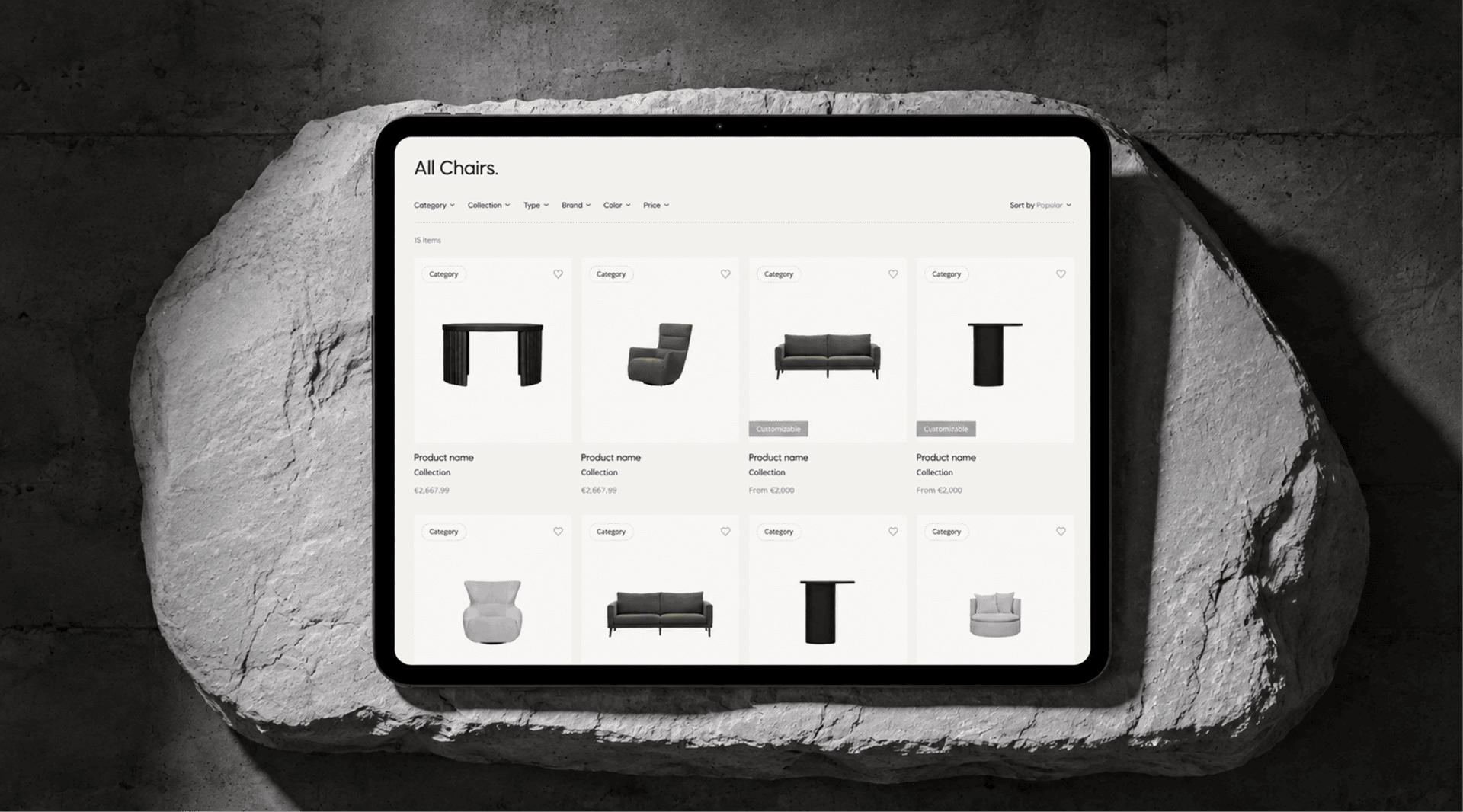
Vilmers faced the challenge of simplifying a highly complex B2C customer journey by creating a seamless e-commerce experience for bespoke, custom-measured furniture. With millions of possible product combinations – spanning legs, armrests, fabrics, and layouts – the manual configuration process had become a barrier to scaling sales and maintaining pricing accuracy.
Without a reliable digital configurator, every custom order depended on manual, blueprint-heavy processes prone to error, slowing sales and straining the connection between showroom, web store, and factory.
Key constraints:
- Bridging high-level manufacturing data (Microsoft 365 ERP) with a user-friendly visual interface
- Ensuring what the customer saw on screen was exactly what the factory could build
- Supporting millions of product combinations without sacrificing pricing accuracy
- Delivering a dual-purpose system usable both online and on large interactive showroom screens
Our Approach:
Civitta acted as lead architect and project delivery owner, bridging traditional craftsmanship with modern digital retail across the full transformation.
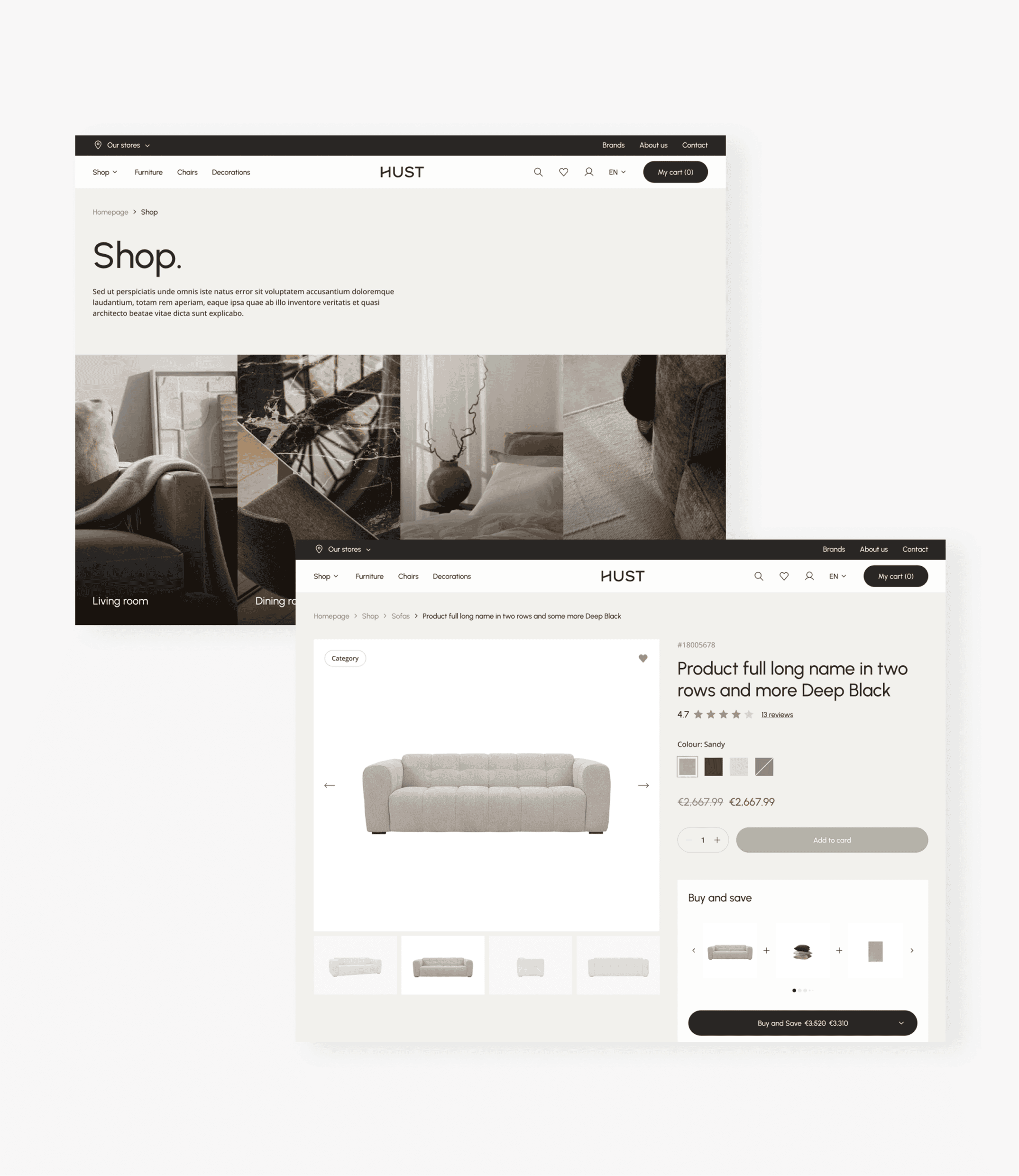
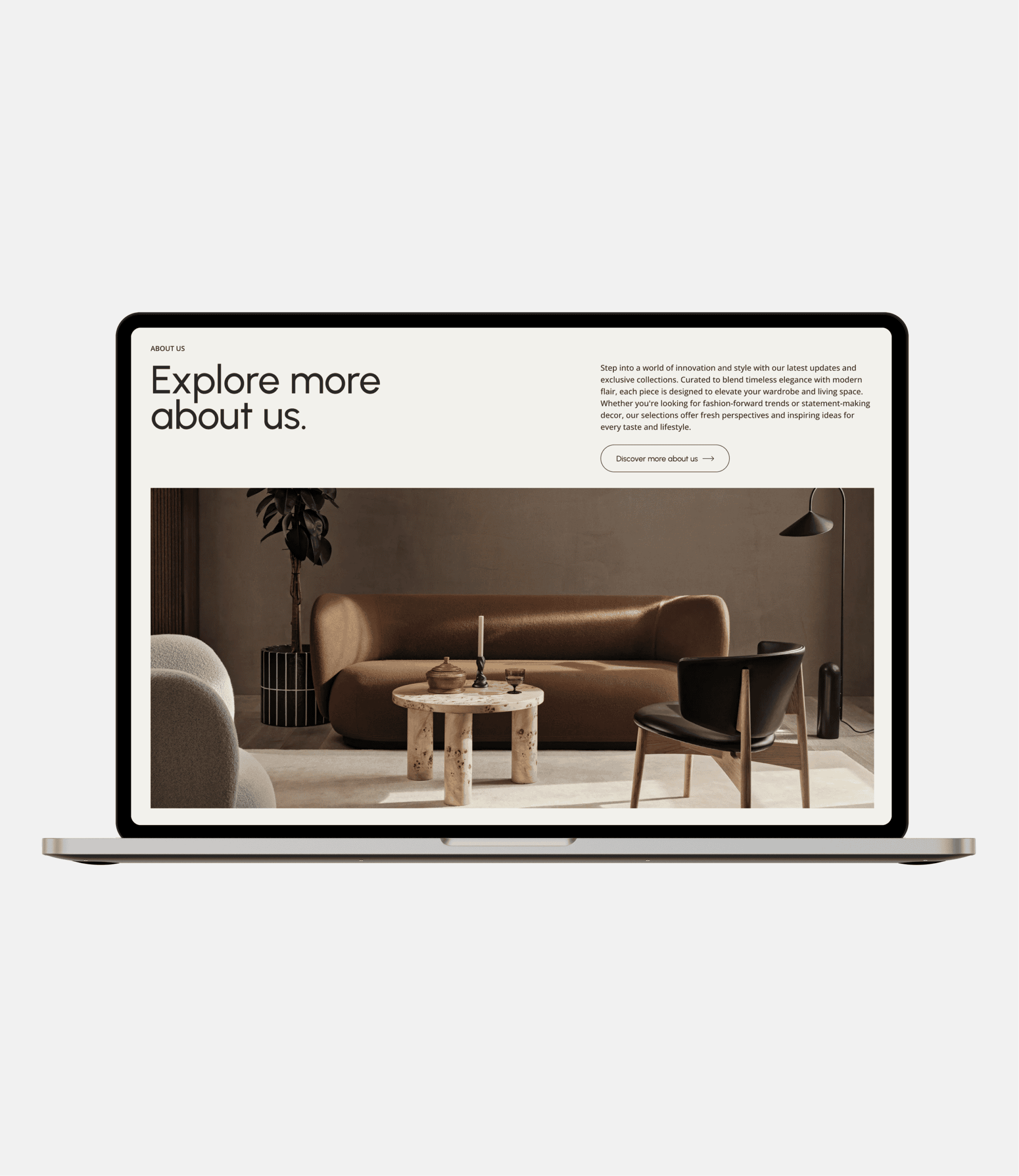
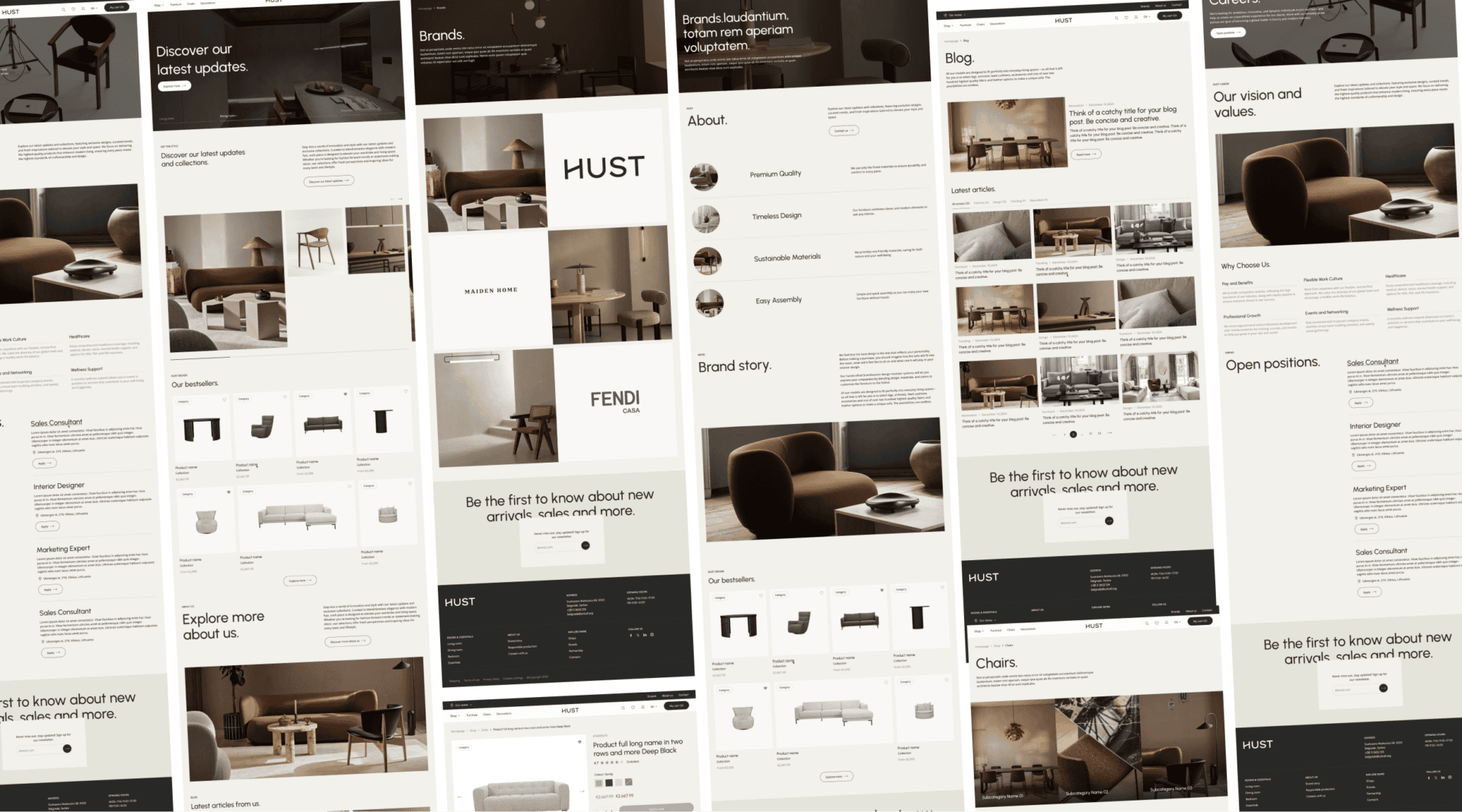
We managed the end-to-end transformation – including project architecture, BPMN mapping, functional requirements preparation, UI/UX design, and full e-commerce development – to create a digital experience allowing users to easily configure modular furniture both online and on large interactive screens in showrooms.
We researched and brokered a partnership with Hullabalook to integrate advanced product configuration tools directly into the storefront, and selected PrestaShop as the e-commerce platform.
A primary focus was the technical architecture required to aggregate data from the Microsoft 365 ERP system. This involved mapping and syncing over 10 interconnected data tables to ensure real-time accuracy between manufacturing data and the customer-facing configurator.
The system was designed to be dual-purpose – powering both the web store and large interactive screens in physical showrooms to empower sales partners with instant visualization tools.
Results & Impact:
- A complex, blueprint-heavy buying process transformed into an intuitive, visual experience.
- An improved professional toolkit for showroom partners, enabling instant visualization of non-traditional layouts.
- Automated data flow from the ERP to the front-end, reducing the manual burden of updating product specifications and pricing.
- A scalable infrastructure allowing Vilmers to expand its international partner network without increasing the complexity of the sales process.
Key Takeaways:
- In bespoke manufacturing, the user experience is only as strong as the underlying data experience. Achieving success required an in-depth examination of back-end ERP structures prior to front-end development.
- Design decisions benefit from continuous validation. Rigorous review, ongoing discussion of potential future features, and close analysis of competitors collectively strengthened the final outcome.
- Civitta’s differentiator lies in its role as a bridge. Our ability to connect business strategy, technical architecture, and third-party vendor management ensured a cohesive final product.
- The approach is broadly transferable. This data-first methodology for e-commerce is highly applicable to any industry involving complex, modular products, such as automotive, industrial equipment, or customized technology.