UNDP: Mentorship Assistance to Georgian SMEs
Client
UNDPClient overview:
The United Nations Development Programme (UNDP) is leading the Inclusive Access to Markets (IA2M) project in Georgia, funded by the European Union. The IA2M project is a four-year initiative designed to strengthen the international competitiveness of Georgian SMEs by enhancing their capabilities, supporting value chain development, and increasing access to the EU and other European markets.
Through targeted financial and technical assistance, the project helps SMEs overcome barriers to international market entry, improve lead generation and sales performance, and build the skills and capacities required for successful exporting.
IA2M also supports SMEs in maximizing opportunities offered by international trade fairs and B2B events, fostering stronger trade linkages with European partners.
Challenge:
The “Mentorship Assistance to Georgian SMEs” was a one-year program designed to strengthen the capacity of local SMEs to enter and expand in international markets.
Implemented by Civitta, in partnership with Market Access and the Lithuanian Innovation Center, the program addressed key barriers hindering the international growth of export-oriented businesses in Georgia, including:
- limited experience in developing structured export strategies;
- underdeveloped marketing and promotional materials tailored to export markets;
- lack of preparedness for international trade fairs; and
- limited familiarity with international buyer requirements.
Our Approach:
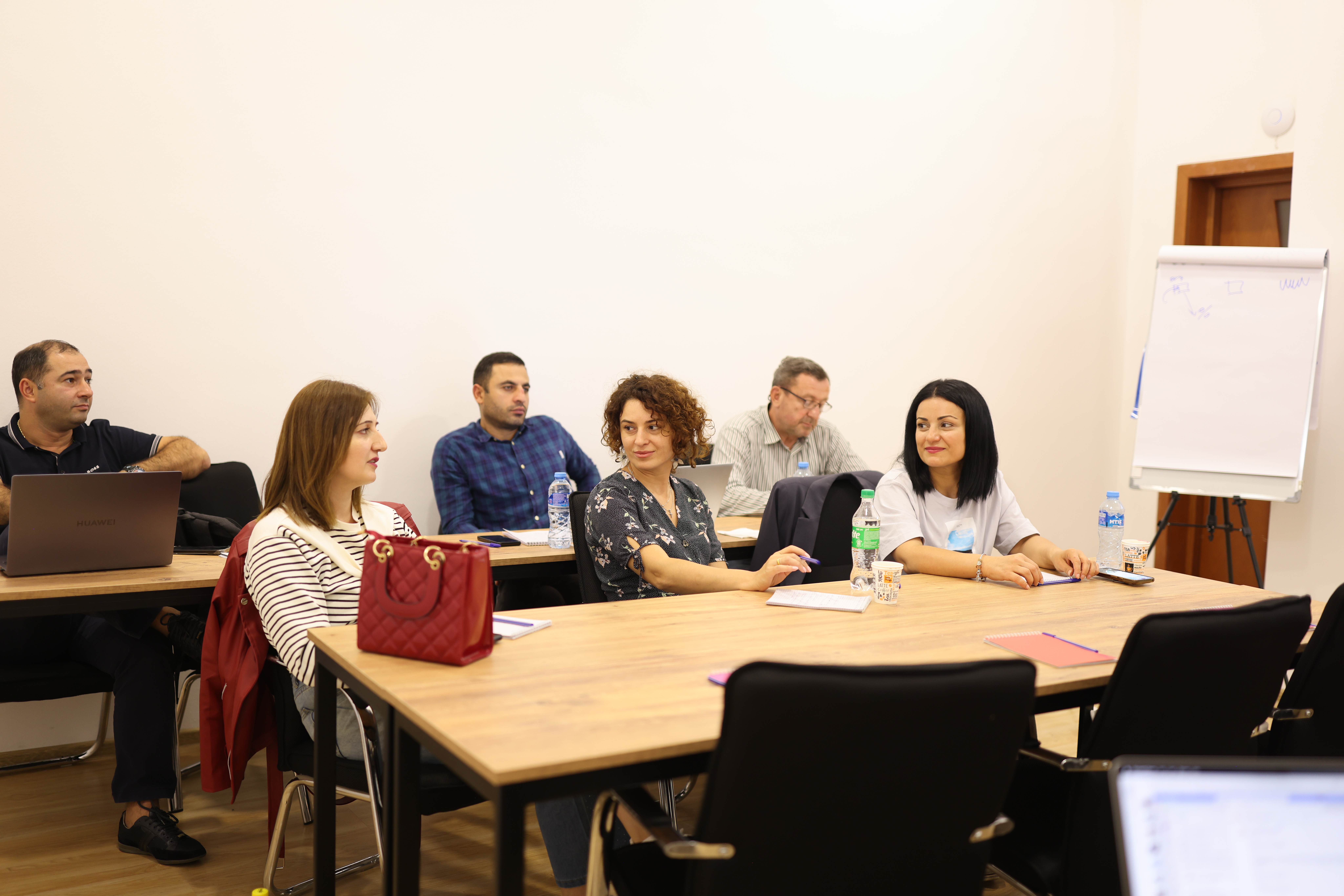
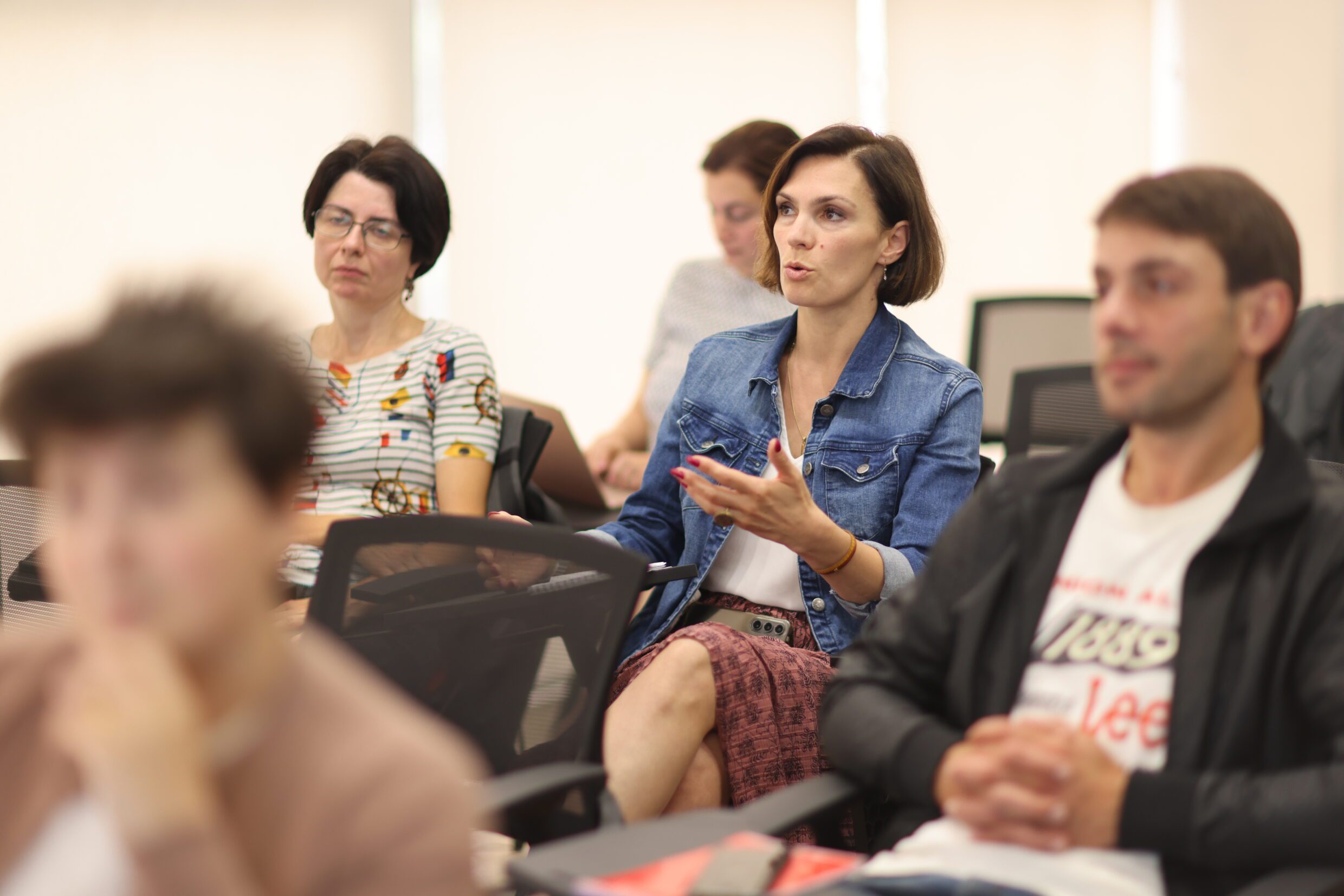
Over the course of the program, 63 SMEs benefited from a combination of online and in-person training sessions, complemented by tailored one-on-one mentorship and technical assistance.
Recognizing that export-related challenges vary significantly across businesses, and that SMEs differ in their levels of experience, capacity, and market readiness, Civitta adopted a flexible and tailored mentorship approach.
While group training sessions provided participants with a common understanding of export market requirements, international trade fairs, and best practices, individual mentorship focused on addressing the specific needs and gaps of each SME.
To further increase the value of support, Civitta and its partners provided targeted technical assistance, including the identification of potential buyers in target markets, social media audits and recommendations, improvements to export presentations and marketing materials, and other customized advisory services designed to strengthen export readiness and international competitiveness.
In addition to supporting individual SMEs, the program included a Training of Trainers (TOT) component for representatives of business associations. The TOT aimed to strengthen the capacity of sectoral support organizations by enhancing their skills in mentorship methodologies, lead generation, negotiation, sales, and effective participation in international events.
Six business associations representing the target sectors participated in the training, contributing to the long-term sustainability of export support services available to Georgian SMEs.
Results & Impact:
Over the course of the program, 63 SMEs strengthened their understanding of international trade fair participation, buyer engagement, export planning, and international marketing, while six business associations developed the skills and knowledge required to continue supporting SME internationalization efforts, helping ensure the long-term sustainability of project outcomes.
Post-program survey results demonstrated substantial improvements across key competencies, e.g., 77% of respondents reported greater preparedness for international trade fairs and buyer interactions, while nearly 85% indicated significant progress in developing effective communication strategies for foreign markets.
The practical support provided through mentorship and technical assistance enabled SMEs to address critical export-related challenges and improve their market positioning. As a result, many participating companies developed clearer export strategies and gained greater confidence to pursue new partnerships and expand into foreign markets.
Testimonials:
The sessions were very interesting. I received a lot of information directly from the mentors, including things I had never even thought about. The training sessions were useful and engaging. The mentors were interesting, and the in-person format was extremely beneficial.
MS. Nino Barabadze, Prodline
- As a company with little experience in export, we are truly grateful for this opportunity. We gained a clear understanding and received valuable information about every stage of the export process. We learned in detail about the requirements, challenges, and all the necessary preparatory nuances. The knowledge we acquired during the training sessions will be useful for our company’s future development and path toward entering export markets. Once again, thank you very much.
Ms. Ketevan Jiniashvili, Bebos Chiri - Thank you for the exceptionally interesting and informative training. Both the trainers and the content were highly professional and focused on practical knowledge. This material will be useful in our day-to-day work, and I believe our team can start applying what we learned right away.
Mr. Saba Arudashvili, Klics - The training was very interesting and highly informative. We were provided with up-to-date information, and it’s incredibly important to hear this directly from the mentors. Beyond that, the personal insights shared were very valuable for professional development. The creation of a network and synergy, both within the group and between the mentors and participants, was a strong driver for growth. A new concept for me was the idea of online exhibitions, which we might consider for the future.
Ms. Nata Molodini, Frixx

Key Takeaways:
- Flexible, tailored support is essential for effective SME capacity building. Businesses vary significantly in their levels of export readiness, market knowledge, and organizational capacity, making customized mentorship more effective than a generic support model.
- Practical assistance and tangible outputs increase both impact and engagement. Deliverables such as buyer databases, market research, and communication materials addressed immediate business needs, while also increasing SME commitment to and participation in the program.
- Export readiness extends beyond trade fair participation. Successful internationalization requires a combination of strong export strategies, effective branding and communication, structured buyer outreach, and systematic follow-up before and after international events.
- Strengthening local support ecosystems ensures long-term sustainability. Building the capacity of business associations through the TOT component established a foundation for continued mentorship and advisory support to SMEs beyond the lifetime of the project.
- Sustainable export growth requires combining capacity building with market access support. Future interventions should integrate mentorship with practical assistance in market intelligence, partner identification, regulatory compliance, and business development to help SMEs translate export readiness into long-term international competitiveness.