Building an automated Power BI intelligence dashboard for a Lithuanian bakery chain
Client
CrustumClient Overview:
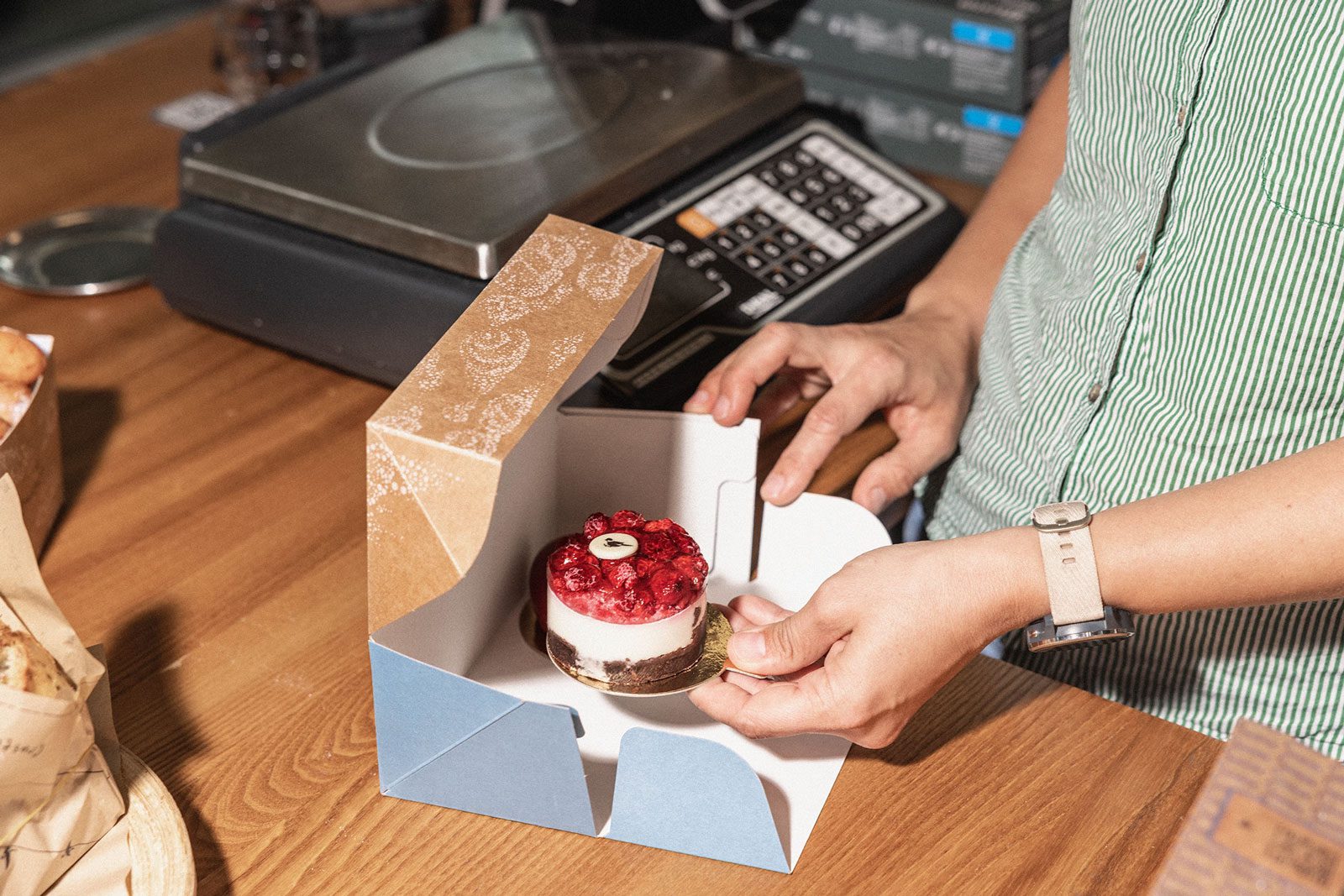
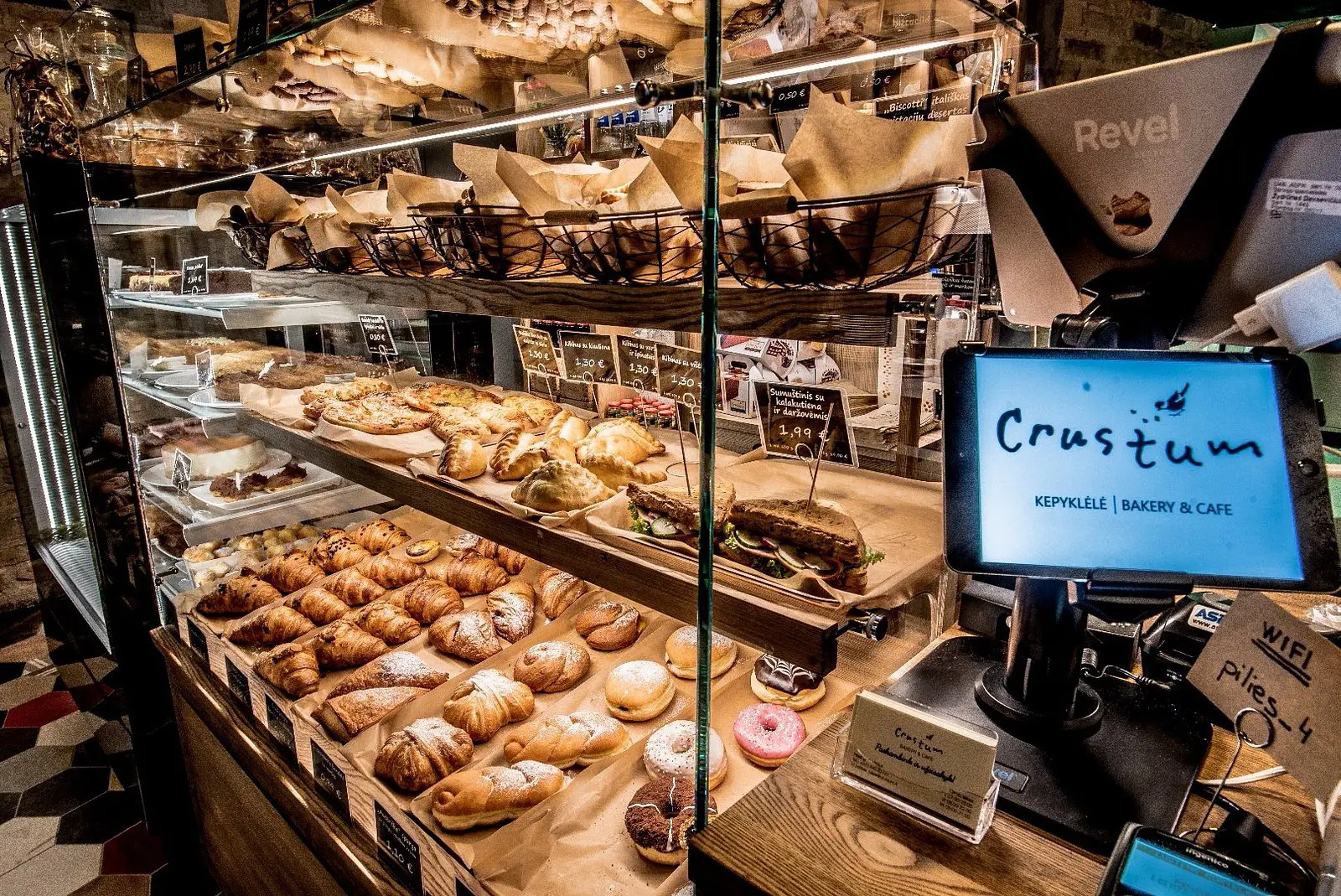
Founded in 2009, Crustum is a Lithuanian bakery and cafe chain operating 13 cafes and one production facility under a single brand, with a team of more than 150 people. The company combines fresh bakery products, desserts, bread, snacks, and coffee with both in-store and delivery-driven sales channels.
The Challenge:
Crustum wanted to move from fragmented and manual sales reporting toward a more centralized, scalable analytics setup. The objective was to build a Power BI dashboard for detailed sales analysis while automating data retrieval from the Point of Sale (POS) system, so the team could monitor commercial performance with less manual work and far better consistency.
The solution needed to combine transaction-level SQL data with regularly updated cost data from spreadsheets, support historical analysis, and provide flexible filtering across products, stores, categories, periods, and sales channels. Just as importantly, the data model had to be built in a way that would allow new datasets and reporting needs to be added later without redesigning the whole structure.

Our Approach:
Phase I: Gateway and SQL connectivity
We began by establishing the technical foundation for reliable data movement. This included installing Power BI Gateway on the client’s virtual machine and connecting Power BI to the SQL database behind the POS system, based on the query logic provided by the client and the POS system representatives.
This stage created a stable base for automated daily data extraction and ensured that the reporting environment would no longer depend on repeated manual export steps. It also clarified the technical responsibilities early in the project, which helped keep implementation focused and efficient.
Phase II: Historical data and cost model integration
To make the analysis useful from day one, we imported historical data. In parallel, we integrated a regularly updated spreadsheet file containing cost data, enabling sales and cost figures to be analyzed together in one reporting model.
The data model was designed with extensibility in mind. That meant Crustum received not just a dashboard for current needs, but a structure that could be expanded later with additional dimensions, measures, or data sources as the business and reporting questions evolve.
Phase III: Sales dashboard development
We developed a Power BI dashboard focused on the core sales and profitability KPIs most relevant for day-to-day management. The reporting scope included sales value, profit, profit margin, customer count, sales per customer, sold quantity, average item price, average cost, write-off volume and value, write-off share, production value, Bolt/Wolt sales and share, and discount value and share.
The dashboard was designed for dynamic filtering and comparison by product, store, product category, period, and channel. It also enabled time-based views such as current month, current year, month-on-month change, and year-on-year comparison, giving the client a much clearer view of performance patterns and shifts over time.
Phase IV: Refresh automation, rollout, and training
Once the report logic was finalized, we automated Power BI refreshes and prepared the solution for everyday business use. The final stage focused on making the delivery operational, sustainable, and easy for end users to adopt:
- Automated daily SQL refreshes scheduled at an agreed time
- Dashboard presentation and user training for the Crustum team
Phase V: Ongoing support and data process expansion
Following the rollout, Civitta continues to provide ongoing Power BI support, maintenance, and on-demand feature development to ensure the sales intelligence solution evolves with Crustum’s needs. As part of the extended data automation services, an automated process was also implemented to extract aggregated sales data from the POS system SQL database and import it directly into the accounting system, reducing manual data handling and improving the speed and reliability of financial data flows. This approach helps Crustum maintain a scalable business intelligence and data integration environment while ensuring faster, more consistent access to operational and financial insights.
Results & Impact:
Civitta delivered a focused sales intelligence solution that helped Crustum move from manual data extraction and fragmented reporting toward a more automated and transparent analytics setup. The new Power BI dashboard created a single view of sales, profitability, discounts, write-offs, production, and delivery-channel performance, making it easier to compare results across stores, products, categories, periods, and channels.
By combining POS system SQL data with regularly updated cost inputs, the reporting environment gave the client a stronger basis for monitoring margin dynamics and commercial performance, while automated refreshes reduced repetitive reporting work and improved reliability.
Key Takeaways:
Automating data extraction from operational systems is often the difference between static reporting and decision-ready analytics. For multi-location food businesses, daily refreshed business intelligence creates a much stronger foundation for timely performance management.
The project also shows the value of combining sales data with cost inputs in one analytical model. When a business can track margin, discounts, write-offs, production, and delivery-channel mix in the same environment, it gains a much clearer understanding of what is driving profitability and a scalable base for future reporting growth.