Civitta Hungary (formerly Design Terminal) has been running the Technology Broker programme since 2023. We actively build our network across both the domestic space industry and traditional sectors, so that we can simultaneously promote Hungarian space-industry players and innovations in new industries across Europe, while also supporting the development needs of SMEs and large enterprises with space-based solutions. The programme works on two fronts: seeking partners for domestic space companies, and offering innovative space technology solutions to companies operating in traditional sectors.
ESA Technology Broker: Space Technology in Everyday Life
instituteClient
The European Space Agency’s (ESA)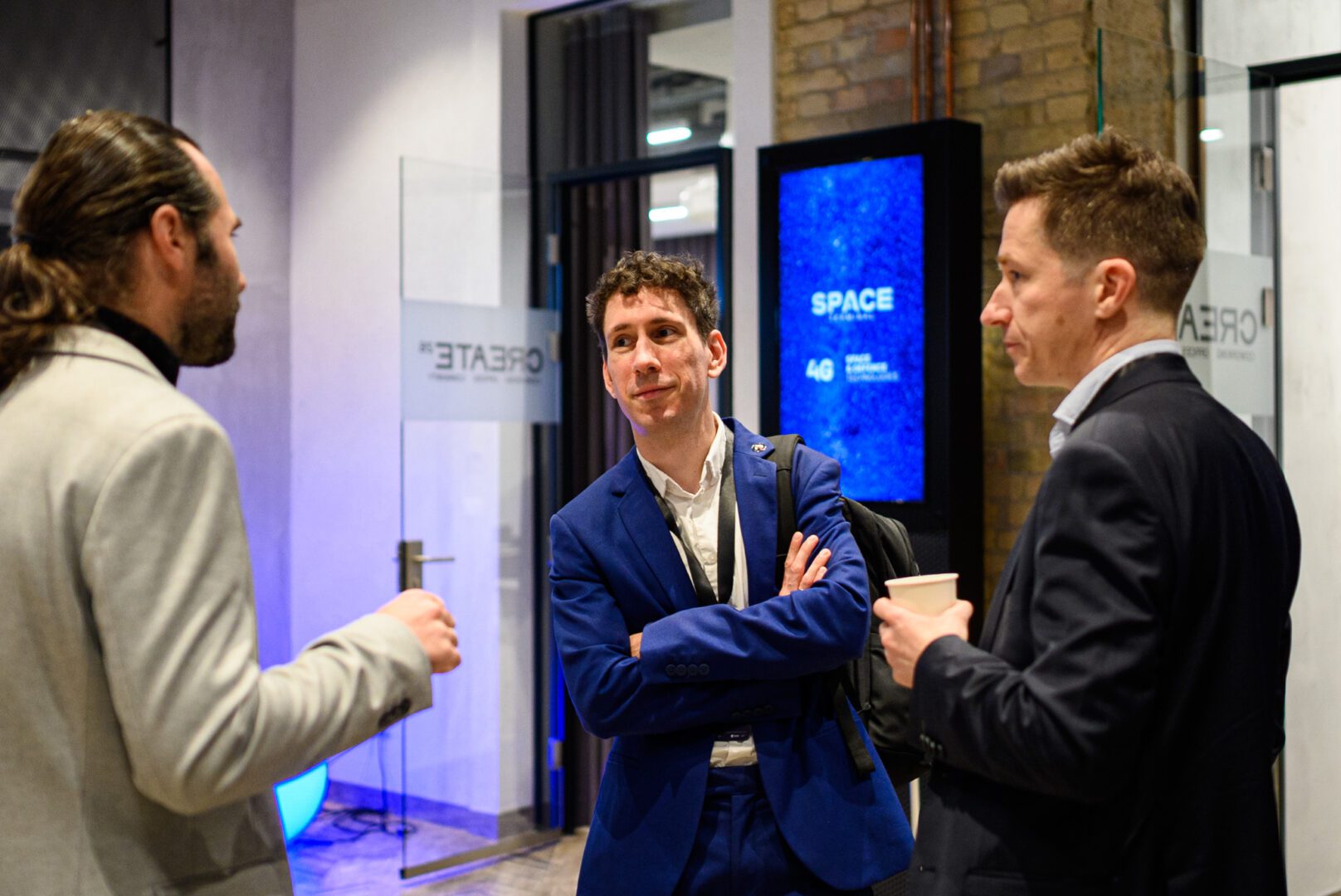
Client overview:
The European Space Agency’s (ESA) Technology Broker programme aims to support and accelerate the transfer of space technology solutions into everyday life.
Through the programme, companies can grow their business, expand their network, and discover new business opportunities and partners in sectors unrelated to space research.
In addition, under the Technology Broker programme’s Spark Funding initiative, companies can apply for €75,000 in non-repayable, equity-free funding to grow their business using space-industry solutions – whether by creating new products, boosting efficiency and productivity, or overcoming technical challenges.
Challenge:
Many technologies originally developed for the space industry are now part of our everyday lives. Think of the camera in your phone, wireless headphones, or memory foam – all of these were originally developed for space applications before later finding their way into everyday use.
Today, numerous space-industry technologies and software solutions are still waiting to be discovered and put to use in ways that could transform our daily lives.
Civitta Hungary’s role was to identify these technologies and find the most suitable applications for them.
Our approach:
The Spark Funding programme plays a key role in supporting this technology transfer process, offering €75,000 to companies looking to develop new products using space technology. Three companies take part in the programme each year.
Results & impact:
The first three years of the ESA Technology Broker programme in Hungary laid a strong foundation for technology transfer and cross-sector innovation. Thanks to the growing network and successful Spark Funding projects, the programme’s activity is now well positioned to further increase its impact in the coming years and deepen collaboration between the space industry and non-space sectors.
Between 2023 and 2025, a series of six matchmaking events was held, connecting the Hungarian space sector with industries such as automotive, agriculture, and healthcare and life sciences. These events played a key role in raising awareness of space-based solutions and kick-started discussions around technology transfer.
- The programme facilitated a total of 91 professional introductions and connections.
- 8 companies were selected for the Spark Funding programme, each of which successfully completed a space technology transfer.
- 8 companies achieved a successful business development outcome, meaning they were able to bring a new product to market – developed through space technology transfer – with the support of the programme.
Key takeaways:
One of the programme’s most important lessons is that the gap between traditional, closed industries and the highly specialised space sector can be successfully bridged when technology transfer is treated as a structured, two-way process. Simply showcasing space technology solutions is not enough – the real key to success lies in playing a “translator” role. In practice, the programme’s role is to offer concrete, tangible solutions to the real market problems faced by non-space players, such as those in the automotive, agriculture, or healthcare sectors.
Targeted formats like Space Café proved effective at demystifying the term “space,” showing SMEs that space-industry software or advanced material technologies can bring direct economic benefits and efficiency gains to their everyday business operations.
Finally, the key financial and structural lesson is that theoretical feasibility studies alone aren’t enough – a catalyst like Spark Funding is also needed. For SMEs, adopting a new technology or developing a new product carries significant risk in its early stages. What proved crucial was that the programme didn’t just support companies through advisory work (technology scouting), but also provided direct, targeted validation funding. This combination allowed selected companies to move beyond planning on paper and actually develop a real, market-ready, sellable end product – significantly lowering the barrier to entry into the modern space economy.