The Hungarian agricultural sector faces complex challenges: climate change, generational transition, sustainability expectations, and growing food security demands are all placing pressure on it at once. The sector’s digital transformation has been slow, partly because there was no structured mechanism through which innovative startup solutions could reach farmers. NAK’s goal was to create a program that matches startup solutions to real corporate challenges and rapidly disseminates them through large-company infrastructure.
NAK TechLab: Startups for Hungarian Agriculture
instituteClient
The Hungarian Chamber of Agriculture (NAK)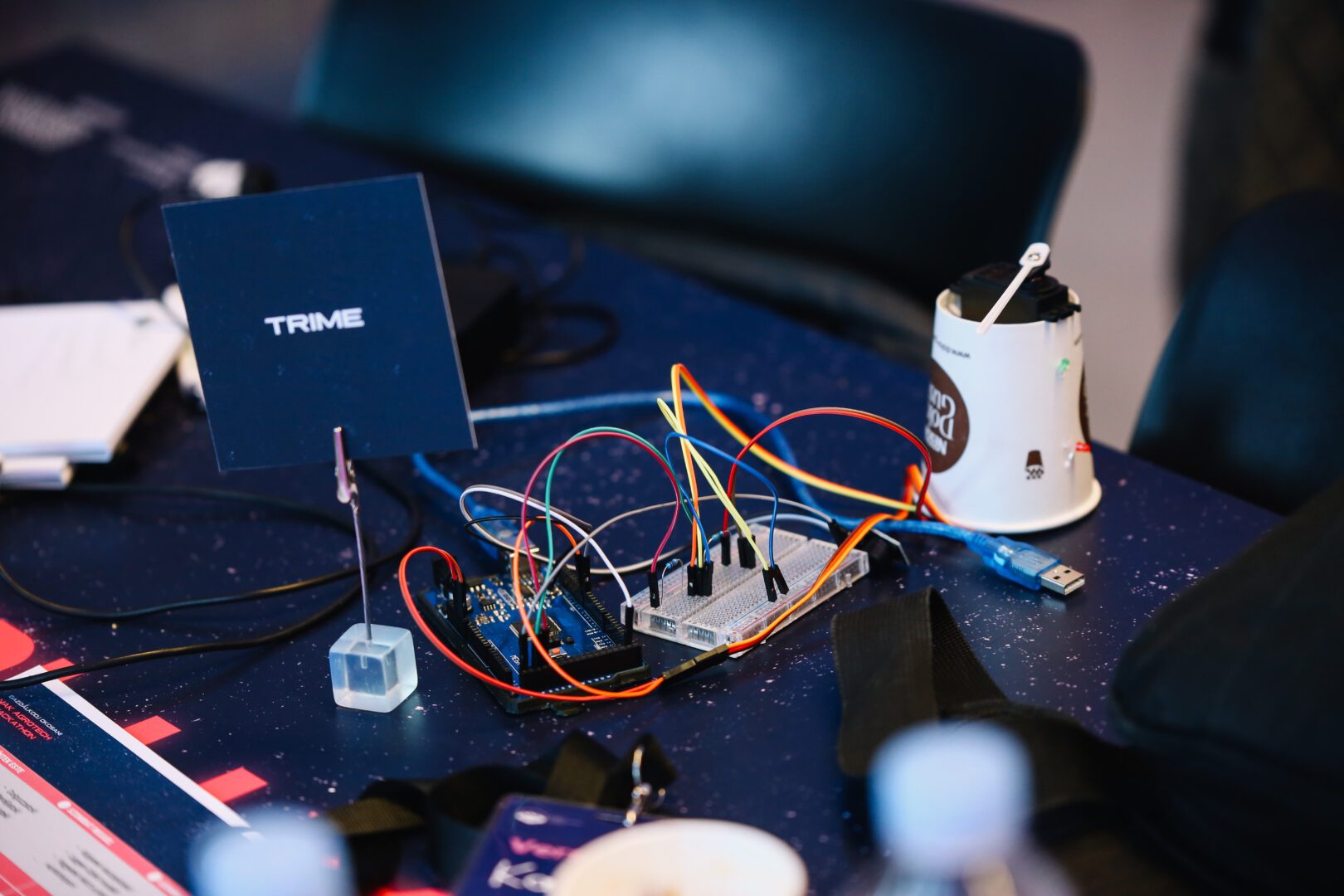
Client Overview:
The mission of the Hungarian Chamber of Agriculture (NAK) is to represent the interests of stakeholders in Hungary’s agricultural and food economy, strengthening the sector’s competitiveness, supporting farmers with expert advice and reliable information, and contributing to fair, transparent, and value-creating market operations. In 2019, together with Civitta Hungary (formerly Design Terminal), NAK launched the NAK TechLab program – Hungary’s first and unique agri-innovation initiative – through which, in cooperation with the country’s most experienced agricultural experts, technology partners, and major companies (Bonafarm Group, AXIÁL Kft., KITE Zrt., Corteva Agriscience), they seek innovative solutions to the sector’s challenges.
The Challenge:
Our Approach:
Civitta Hungary (formerly Design Terminal) implemented three interconnected program elements.
- The Hackathon is a 24-hour innovation idea competition in which student teams from various fields of study seek solutions to real agricultural market challenges – the format’s goal is to make the agricultural sector attractive to young people.
- The AgTech University Idea Competition targets a more mature stage than the Hackathon: with the help of agricultural and business mentors, teams develop detailed solutions, and the best team is awarded at the final. Notably, nearly 60% of participants came from non-agricultural fields of study.
- The Incubation Program is the most complex element of the collaboration: over the course of a three-month facilitated program, revenue-generating microenterprises and the large companies participating in the program jointly assess whether the startup’s solution is genuinely suitable for addressing a specific corporate challenge.
Results & Impact:
- 70+ participating teams
- 9 participating large companies
- 3 technology partners
- ~60% of participants from non-agricultural fields