Strengthening Moldova’s circular economy readiness
Client
UNDPClient Overview:
UNDP is the United Nations’ lead agency on international development, working in around 170 countries and territories to support sustainable progress, resilience and the Sustainable Development Goals.
In Moldova, UNDP’s Green Transition Project supports the country’s shift towards a low-emission, resource-efficient economy by strengthening awareness, capacity and investment in green development.
The Challenge:
Moldova’s EU candidate status increased the urgency to align with European green standards, while the country still faces dependence on fossil fuels, environmental degradation, limited renewable energy use and waste-management gaps.
The assignment aimed to strengthen Moldova’s circular economy by analysing emerging waste streams, developing cost-benefit analysis and business models, and improving understanding of Extended Producer Responsibility systems.
Our Approach:
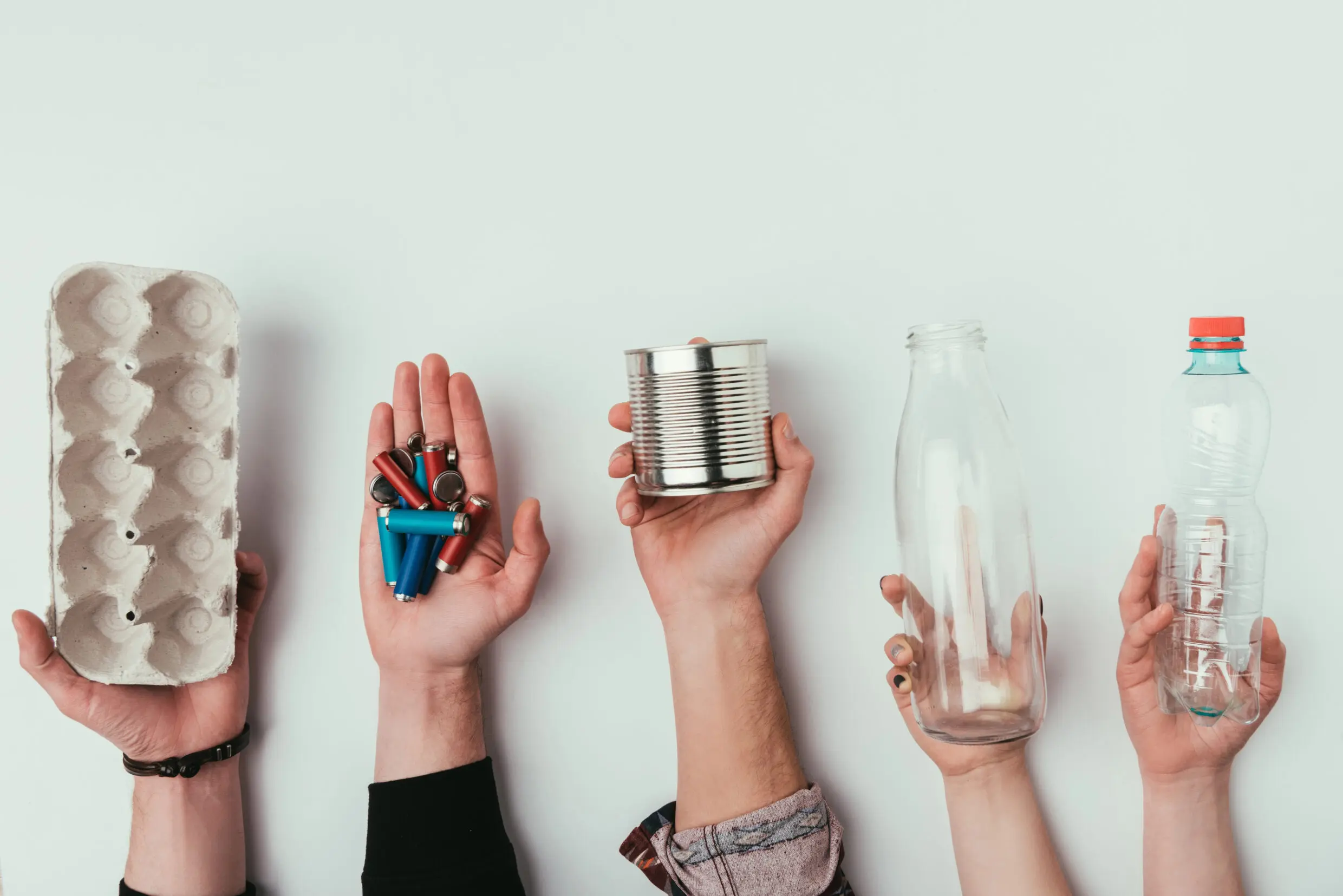
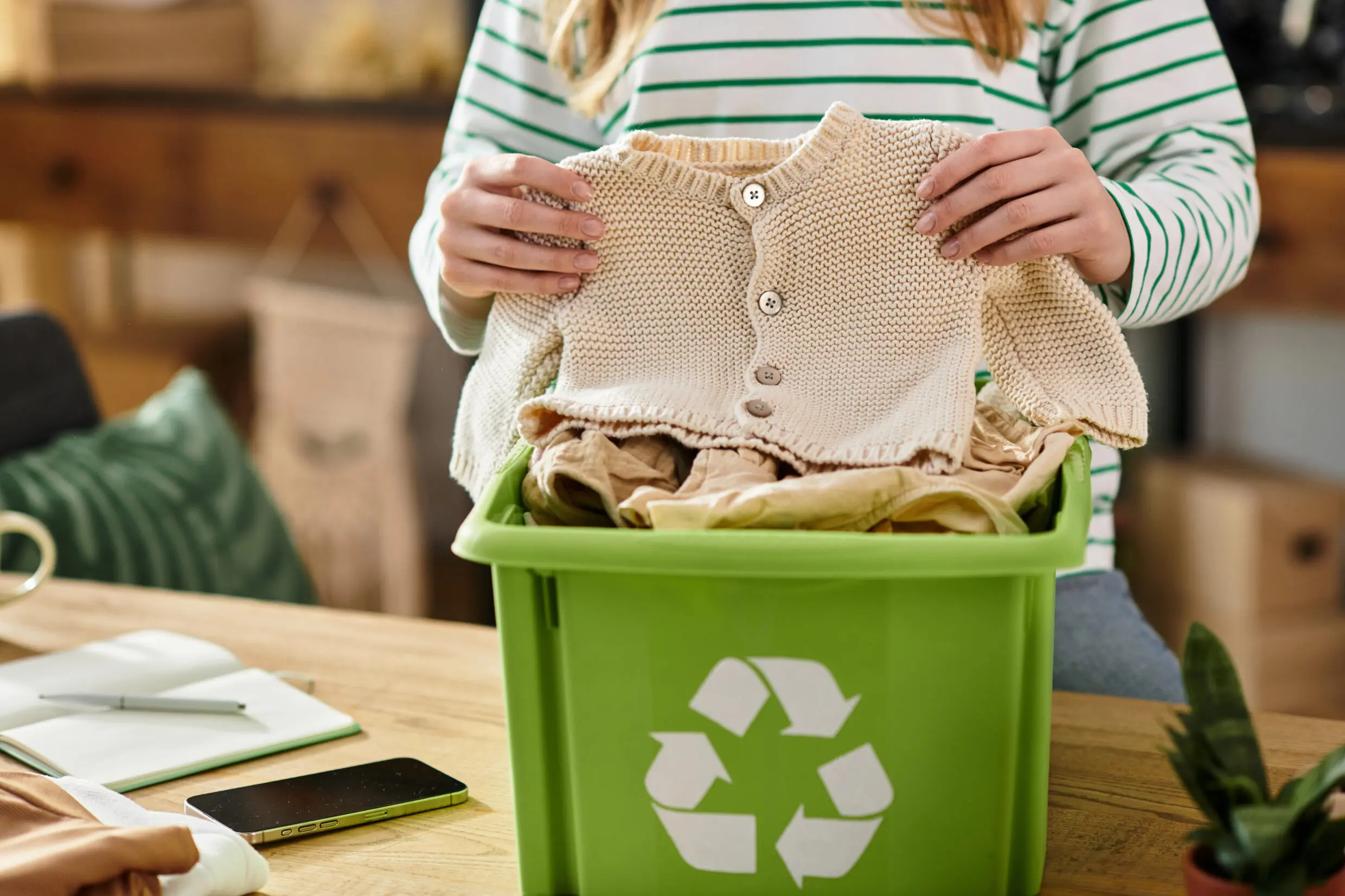
Civitta designed an integrated methodology covering waste-stream analysis, market research, EPR learning tools, regional innovation events and national conferences. The analysis focused on textiles, plastics, construction waste, tires and organic waste, using desk research, surveys, interviews, focus groups and stakeholder validation.
Civitta also designed and developed the Extended Producer Responsibility (EPR) Platform as a practical digital resource to support businesses in understanding and complying with EPR requirements in Moldova. The platform brings together legal guidance, practical tools, explanatory materials and video tutorials, contributing to improved compliance and the transition towards a circular economy.
As a part of the project, Civitta organised 3 regional green-transition hackathons in Chișinău, Bălți and Cahul, reaching over 150 participants.
Results & Impact:
The project strengthened dialogue and coordination among the institutions and organisations shaping Moldova’s circular-economy agenda. Continuous communication with the Ministry of Environment, the Environmental Agency and other relevant public authorities ensured that emerging findings were discussed against current policy priorities and implementation needs.
Results and practical recommendations have already been disseminated through two conferences, reaching a broad spectrum of stakeholders, including central and local public institutions, development partners and donor-funded programmes, private companies, waste-management operators, business-support organisations, academia and civil society organisations.
These events created a common platform for presenting evidence, gathering institutional and market feedback, identifying complementarities with other initiatives and encouraging partnerships between the public, private and non-governmental sectors.
The conferences also increased the visibility of emerging waste streams and Extended Producer Responsibility as strategic areas for Moldova’s green transition. Overall, the assignment has contributed to stronger stakeholder ownership, better-informed institutional dialogue and a more coordinated basis for future policy measures, investment decisions and circular-economy initiatives.
Key Takeaways:
Civitta’s value lies in combining policy analysis, market intelligence and practical stakeholder mobilisation. The approach moves beyond diagnostic research by translating waste-sector evidence into business models, learning tools, innovation challenges and concrete recommendations for Moldova’s circular economy.
The model is relevant for other countries seeking to align waste-management systems with EU requirements while building private-sector participation and local innovation ecosystems.