Building digital pathways for vulnerable groups in Moldova
Client
World Vision MoldovaClient Overview:
World Vision is a global Christian relief, development and advocacy organisation working with children, families and communities to overcome poverty and injustice, serving people regardless of religion, race, ethnicity or gender.
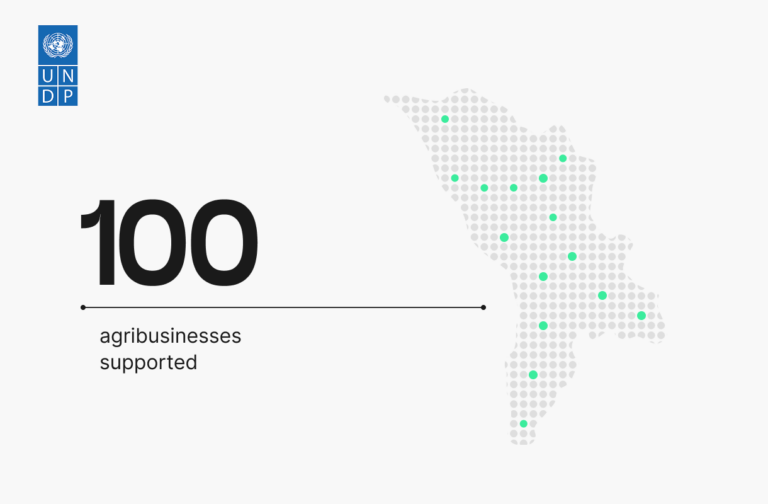
World Vision Moldova sought to support vulnerable groups, including Ukrainian refugees, by improving access to market-relevant digital skills and creating clearer pathways toward employment or self-employment. The assignment focused on designing a digital skills training programme for 100 beneficiaries, with an advanced extension for 30 selected participants.
The Challenge:
The core challenge was to avoid generic training and instead build a programme aligned with Moldova’s labour-market needs. Previous digital inclusion initiatives for refugees and vulnerable groups had faced attendance, equipment, relocation, and motivation barriers.
The programme therefore needed to combine skills development with practical support mechanisms, employer connections, and entrepreneurship options.


Our Approach:
Civitta proposed a flexible programme design based on Phase 1 labour-market and digital-skills assessment findings. Rather than pre-selecting professions too early, the model allowed the final curriculum to be adapted to real market demand and beneficiary needs.
The proposed structure included a 3-month digital skills programme for all 100 beneficiaries, focused on 2–3 priority pathways such as digital marketing, web development, graphic design, software testing, or data entry and office automation.
A further 1-month advanced extension was designed for 30 high-performing participants, with a recommended focus on entrepreneurship and self-employment. The delivery model was built around three progressive modules, combining trainer-led sessions, independent work, small projects, final assessment, and certification.
Civitta also proposed face-to-face, hybrid, and online delivery options to match beneficiary needs and logistical constraints.
Results & Impact:
The project design created a scalable implementation model for training 100 vulnerable beneficiaries in market-relevant digital skills and supporting 30 participants with advanced entrepreneurship-oriented learning.
The programme was structured to increase employability, support self-employment, and create practical bridges between training and labour-market participation. The proposed model also included programme coordination, pre and post-training assessments, attendance monitoring, certification, graduation events, and support activities such as employer links, apprenticeships, or small-grant mechanisms.
Key Takeaways:
Civitta’s value was in turning a broad digital inclusion objective into a structured, market-responsive training model. The approach combined labour-market intelligence, flexible curriculum design, modular learning, beneficiary support, and entrepreneurship pathways.
The model is especially relevant for development agencies working with refugees, vulnerable groups, and labour-market integration programmes where training alone is not sufficient.